
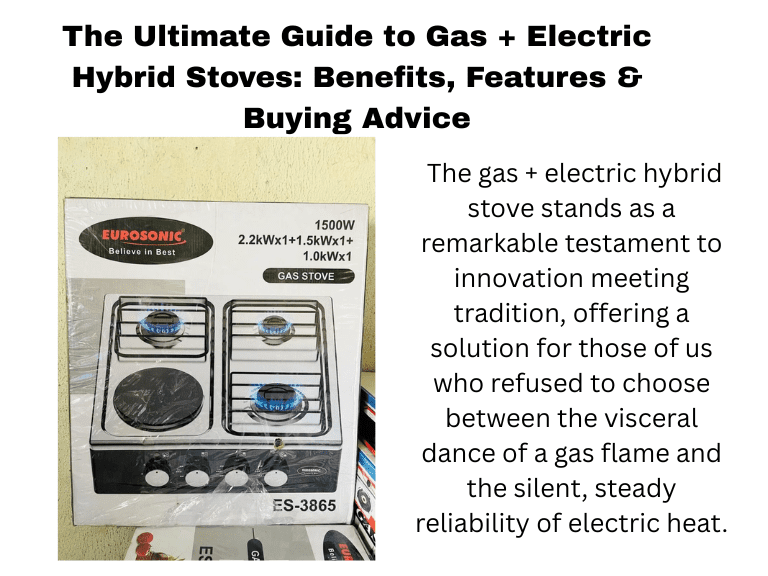
For years, I stood at a culinary crossroads in my own kitchen, perpetually torn between the instant, visual thrill of a gas flame and the steady, even reliability of an electric coil or smooth-top surface. I adored the control of gas for searing a steak or quickly boiling water, yet I longed for the perfect simmer for a delicate sauce or the consistent heat for baking that my electric oven provided. It felt like an impossible choice, a compromise I had simply learned to live with until I discovered the brilliant solution that is the gas + electric hybrid stove. This isn’t just another appliance; it’s a paradigm shift for anyone who is genuinely passionate about the art and science of cooking. By marrying the two most popular cooking technologies into a single, powerful unit, a hybrid stove promises to end the age-old debate and unlock a new level of culinary capability right on your countertop. Imagine being able to whip up fluffy pancakes on a perfectly even electric burner while simultaneously using a powerful gas flame to char vegetables for a stir-fry, all without sacrificing an ounce of performance or control. This comprehensive guide is born from that discovery, a deep dive into everything you need to know about this transformative appliance, designed to help you decide if bringing this powerhouse into your home is the right move for your cooking journey.
Introduction to Gas + Electric Hybrid Stoves
So, what exactly is this kitchen marvel that seems to offer the best of both worlds? A gas + electric hybrid stove is precisely what its name suggests: a freestanding, slide-in, or drop-in range that integrates both gas burners and electric heating elements into its cooktop surface. Typically, these models feature a combination, such as two or three gas burners paired with one or two electric elements, which can be either traditional coiled burners or, more commonly in modern iterations, sleek radiant or induction zones. The oven component, however, is almost universally electric, utilizing convection or traditional baking elements to provide the dry, even heat essential for roasting and baking. This ingenious design directly addresses the fundamental strengths and weaknesses of each fuel type. Gas excels at providing immediate, responsive heat that you can see and adjust with pinpoint accuracy ideal for techniques like wok cooking, flambéing, or any recipe where temperature changes need to be instantaneous. Electric, on the other hand, shines in delivering consistent, uniform heat across the entire bottom of a pan, which is critical for tasks like melting chocolate without seizing, simmering a pot of soup for hours without scorching, or achieving an evenly golden crust on a crepe. Therefore, a hybrid stove isn’t a gimmick; it’s a thoughtfully engineered tool that empowers you to select the perfect heat source for each specific cooking task, all on one continuous kitchen surface.
What Is a Gas + Electric Hybrid Stove?
Understanding how this dual-fuel system operates demystifies its appeal and highlights its clever engineering. On the cooktop, when you turn a gas knob, it opens a valve allowing natural gas or propane to flow to the burner, where an electric igniter creates a spark to light the flame; the size of the flame, and thus the heat, is directly and immediately controlled by the knob. For the electric elements, whether coiled or smooth-top, turning the corresponding control knob or tapping a digital pad sends an electrical current through a resistant metal coil or a radiant heating element beneath the ceramic glass surface, which then heats up and transfers that thermal energy to your cookware. The true magic of a gas + electric hybrid stove lies in the independent operation of these systems each burner functions autonomously, giving you simultaneous access to two distinct heating technologies. The oven’s operation is separate yet complementary; it uses electric heating elements (often with a convection fan) to create a stable, accurately controlled environment. This electric oven is a key advantage over all-gas ranges, as gas ovens tend to have more humid heat and less precise temperature control, which can lead to uneven baking. The integration is seamless from a user’s perspective: you simply choose the burner best suited for the pan and the meal you’re preparing, and the stove handles the rest, providing a unified interface of knobs and displays to manage both energy sources effortlessly.
How Does a Gas + Electric Hybrid Stove Work?
When exploring the market, you’ll find that hybrid stoves come in several configurations to suit different kitchen layouts and cooking preferences. The most common type is the freestanding range, a complete unit with a finished backguard and sides, which can be installed anywhere with the proper gas and electrical hookups, making it a versatile choice for most homes. Slide-in models offer a more built-in, premium look, as they slide between kitchen cabinets with no backguard, featuring a lip on the cooktop that rests directly on the countertop for a seamless integration. For a truly custom kitchen, drop-in ranges are built directly into a cabinet base and surrounded by countertop materials. The combination of burners on the cooktop also varies; some models offer a majority of gas burners with a single electric simmer burner, while others might split evenly or even favor electric induction zones for their speed and safety. The oven configuration can differ too, with some high-end models offering dual ovens perhaps one electric convection and one traditional thermal within the same hybrid unit. This variety means there is likely a gas + electric hybrid stove tailored to your specific spatial constraints and culinary habits, whether you’re a frequent baker who needs a superb electric oven or a stovetop enthusiast who wants the flexibility to boil, sear, and simmer with different types of heat at the same time.
Types of Gas + Electric Hybrid Stoves Available
The key features of these innovative appliances are what truly set them apart and justify their growing popularity among cooking enthusiasts. First and foremost is the dual-fuel cooktop itself, which provides unmatched versatility right at your fingertips. You’ll often find that the gas burners include high-BTU power burners, capable of delivering intense heat for canning or boiling large pots of water rapidly, while the electric elements feature precise low-simmer settings that can maintain a gentle heat for hours. Many hybrid models boast advanced electric ovens with true European convection systems, which use a third element and a fan to circulate hot air evenly, eliminating hot spots and perfectly roasting meats or baking multiple racks of cookies. Modern interfaces include intuitive control panels, often with digital displays for precise temperature readouts and timer functions for both the oven and individual burners. Safety features are paramount, encompassing automatic re-ignition for gas burners, residual heat indicators for electric zones, and child safety locks. For cleanup, the electric smooth-top sections are generally straightforward to wipe down, though they require specific ceramic glass cleaners to avoid scratches, while the gas burner grates are typically designed to be heavy-duty and removable for easy washing. These features collectively transform the gas + electric hybrid stove from a simple cooking appliance into a sophisticated command center for the home chef, designed to enhance every culinary endeavor with precision and flexibility.
Key Features of a Gas + Electric Hybrid Stove
Embracing a hybrid stove comes with a compelling array of benefits that directly translate to a better cooking experience and, often, better food. The most celebrated advantage is the unparalleled cooking flexibility it affords. You are no longer forced to adapt a recipe to the limitations of your stove; instead, you match the cooking technique to the ideal heat source. This leads to superior culinary results perfectly seared proteins with a beautiful crust from the gas flame, alongside evenly cooked delicate sauces that never break, thanks to the steady electric heat. The electric oven component is a game-changer for bakers, offering the dry, consistent, and accurately controlled environment necessary for cakes that rise evenly, pastries that bake to flaky perfection, and bread with a superb crust. From an energy perspective, you can use each energy source more efficiently; using a high-BTU gas burner to quickly bring water to a boil is often faster and can use less overall energy than an electric coil, while using an electric element to maintain a low simmer is more precise and can prevent energy waste. For households with diverse cooking styles, a gas + electric hybrid stove becomes a peacemaker, satisfying the family member who swears by gas for stir-fries and the one who demands electric precision for morning oatmeal or melting butter. It future-proofs your kitchen against evolving culinary interests and provides a professional-grade toolset that encourages experimentation and skill development.
Benefits of Using a Gas + Electric Hybrid Stove
Of course, no appliance is perfect, and it’s crucial to consider the potential drawbacks and limitations before making an investment. The most significant hurdle for many is the installation complexity and cost. A hybrid stove requires both a natural gas or propane line and a dedicated 240-volt electrical outlet, which many older kitchens are not equipped with. Retrofitting these connections can be an expensive and invasive project, potentially involving hiring both a licensed electrician and a plumber. The units themselves also command a higher upfront cost compared to standard all-gas or all-electric ranges, placing them in a premium price category. On the cooktop, the physical design can sometimes feel disjointed; you have raised grates for the gas burners sitting alongside a flat, smooth electric glass surface, which can make sliding heavy pots from one zone to another slightly awkward. Care must be taken with the smooth-top surface, as it can be scratched by dragging rough-bottomed cookware or stained by sugary spills if not cleaned immediately. Additionally, if the electric section uses induction technology, you will need to invest in compatible magnetic cookware, adding another layer of consideration. While the gas + electric hybrid stove offers immense capability, it demands a commitment in terms of budget, installation, and user adaptation to fully reap its benefits.
Drawbacks and Limitations of a Gas + Electric Hybrid Stove
Given these considerations, who is the ideal candidate for this appliance? A gas + electric hybrid stove is a dream come true for the serious home cook or aspiring chef who refuses to compromise on technique. If your cooking routine regularly involves a mix of high-heat searing, wok cooking, gentle simmering, and precise baking, this range is designed for you. It is also an excellent solution for households that are building a new home or undertaking a major kitchen remodel, as the dual utility requirements can be planned and installed from the start without the added expense of retrofitting. Families with varied cooking preferences will find it resolves the “gas vs. electric” debate under one roof. However, it may be overkill for very casual cooks who primarily reheat food or prepare simple meals, or for those in rental properties where installing dual hookups is not feasible. If you are someone who views cooking as a creative outlet and values having the right tool for every job, the hybrid stove is not just an appliance; it’s a worthwhile investment in your hobby and your home’s culinary heart.
Who Should Use a Gas + Electric Hybrid Stove?
Power consumption and energy efficiency are natural concerns with an appliance that uses two different fuel sources. It’s a nuanced topic. The gas burners on a hybrid stove are generally very efficient at transferring heat directly to the cookware, with less wasted ambient heat compared to traditional electric coils. The instant-on and instant-off nature of gas means you aren’t spending energy waiting for a burner to heat up or cool down. The electric elements, particularly if they are induction zones, are exceptionally efficient because they heat the pan itself through magnetic energy, with very little heat loss to the surrounding air. The electric oven, especially one with a convection feature, is also highly efficient, as the circulated air allows you to cook at a slightly lower temperature or for a shorter duration. The overall efficiency of a gas + electric hybrid stove, therefore, is high because it allows you to use the most efficient energy source for each specific task. You are not forced to use an inefficient electric coil to boil water quickly or a gas flame to try to maintain a bare simmer. By empowering you to choose, the appliance inherently promotes more energy-conscious cooking habits, though your actual savings will depend on your local utility costs for gas versus electricity and your specific cooking patterns.
Power Consumption and Energy Efficiency
To truly appreciate its value, it’s helpful to compare a hybrid stove directly with its alternatives. Stacked against a traditional all-gas range, the hybrid’s primary victory is its electric oven, which provides far superior baking and roasting results with even heat and precise control. Compared to a standard electric smooth-top or coil range, the hybrid dominates with its gas burners’ rapid response and visual feedback, which many cooks find indispensable. When pitted against a pure induction cooktop, the hybrid offers a compromise: it matches induction’s speed and efficiency on its electric zones while retaining the irreplaceable high-heat char and wok-friendly capabilities of gas. The main trade-off is specialization; a standalone induction cooktop might offer more cooking zones or larger flex zones, and a professional-style all-gas range might offer more powerful or specialized burners. The gas + electric hybrid stove is the ultimate generalist, excelling across the broadest spectrum of cooking tasks without being the absolute best at any single one (except perhaps the combination of gas cooktop and electric oven). It’s the Swiss Army knife of high-end ranges, offering competent, high-quality performance for virtually every culinary challenge.
Gas + Electric Hybrid Stove vs Alternative Appliances
Safety is paramount when operating any appliance, and a hybrid model requires awareness of two different sets of guidelines. For the gas components, always ensure the area is well-ventilated to prevent any potential buildup of gas, and be alert for the smell of gas, which indicates a leak that requires immediate attention turn off the supply and call a professional. Never leave gas flames unattended, especially under high heat, and keep flammable materials like kitchen towels and paper packaging well away from the cooktop. For the electric smooth-top sections, the primary danger is residual heat; the glass can remain dangerously hot long after the indicator light turns off, so always treat the surface as if it’s hot and use the indicators as a guide. Use caution when cleaning to avoid scratching the surface, as damage can create weak points. For the entire gas + electric hybrid stove, ensure that all grates and pans are stable before use to prevent spills, and always use cookware that is flat-bottomed and appropriately sized for the burner to ensure efficient heat transfer and prevent accidents. Educating all users in the household on these specific protocols is the best way to ensure a safe and enjoyable cooking environment for years to come.
Safety Tips for Using a Gas + Electric Hybrid Stove
Maintaining your investment properly will ensure it performs beautifully and lasts for many years. Daily cleaning of the smooth-top electric surface is best done after it has cooled but before residues have hardened; use a dedicated ceramic glass cooktop cleaner and a non-abrasive scraper for stubborn spots. The gas burner grates and caps should be removed and washed regularly in warm, soapy water, then dried thoroughly to prevent rust. Spills in the drip pans (if your model has them under the coils) should be addressed promptly. For the oven, use the self-cleaning cycle sparingly, as the extreme heat can be taxing on electrical components; for lighter cleaning, a paste of baking soda and water applied overnight works wonders. Periodically check that the gas burner ports are clear of food debris or cleaning residue, using a pin or needle to gently unclog them if necessary, but never insert anything into the electric igniter. Wipe down the control panel and knobs with a damp cloth, avoiding harsh chemicals. Establishing a simple, consistent cleaning routine for your gas + electric hybrid stove will keep it looking pristine and functioning at its peak, protecting both its appearance and its sophisticated internal systems.
Maintenance and Cleaning Guide
Before you commit to a purchase, there are several critical factors to ponder beyond just the price tag. First, conduct a brutally honest audit of your kitchen’s existing infrastructure: do you have, or can you reasonably install, both a gas line and a 240V electrical outlet where the range will sit? The cost and feasibility of this are the most common deal-breakers. Next, consider your cooking style deeply. Do you actually cook in ways that would leverage both technologies, or would you end up favoring one side most of the time? Measure your space meticulously, not just for the unit but also for clearance around it, especially for slide-in models. Think about your cookware; if the electric side is induction, you may need to replace aluminum or copper pots. Research brands and read reviews meticulously, paying attention to reliability ratings and customer service experiences. Consider the long-term value for your home; a premium appliance like a gas + electric hybrid stove can be a selling point, but only if it’s a feature desired in your local market. This purchase is a significant one, and thorough due diligence will ensure you choose a model that fits your life as perfectly as it fits your kitchen.
Things to Consider Before Buying a Gas + Electric Hybrid qStove
Speaking of investment, the price range for these appliances is broad, reflecting their features and brand prestige. Entry-level or older-model freestanding hybrid ranges can start around $1,500 to $2,000, while mid-tier models from reputable brands with more features, higher BTU burners, and convection ovens typically fall between $2,500 and $4,000. High-end, professional-style slide-in models with dual ovens, advanced induction zones, and smart features can easily soar from $5,000 to over $10,000. Remember that this sticker price is often just the beginning; you must budget for delivery, installation (which can be complex), and any necessary electrical or plumbing work, which could add hundreds or even thousands more to the total cost. While this positions the gas + electric hybrid stove as a luxury purchase, it’s important to frame it as a long-term investment in your home’s functionality and your personal enjoyment of cooking. Over a decade or more of use, the cost-per-use becomes minimal, and the daily value it provides in cooking pleasure and results can justify the initial outlay for the right person.
Price Range and Cost Considerations
Even the best appliances can encounter issues, and knowing common problems can help you troubleshoot or communicate effectively with a technician. One frequent complaint is uneven heating on an electric smooth-top zone, which can often be resolved by ensuring the cookware is perfectly flat and clean on the bottom, or by recalibrating the temperature sensor. For gas burners, a weak or uneven flame usually indicates clogged ports, which can be carefully cleaned. If an electric burner fails to heat, it could be a faulty infinite switch or a damaged heating element requiring replacement. Oven temperature inaccuracies are not uncommon and can often be corrected using the unit’s built-in calibration offset feature detailed in the manual. Error codes may appear on digital displays; always consult your manual first, as they often point to simple fixes like a locked control panel or a blown thermal fuse. For any issue involving gas supply or complex electrical components within your gas + electric hybrid stove, it is always safest and wisest to contact an authorized service technician. Regular maintenance and careful use are your best defenses against most common problems.
Common Problems and Their Solutions
The world of kitchen technology is always advancing, and hybrid stoves are no exception. The latest trends see a strong move toward integrating induction technology into the electric side, capitalizing on its incredible speed, safety, and efficiency. Smart connectivity is becoming standard, allowing users to preheat the oven remotely via a smartphone app, receive notifications when a timer ends, or even troubleshoot issues through diagnostic uploads. Dual-oven configurations are becoming more compact and accessible, offering tremendous flexibility for cooking multiple dishes. Advanced safety features, like automatic shut-off if a burner is left on without a pan or if a pot boils over, are being refined. Design aesthetics are also evolving, with minimalist knobs, stunning finishes like matte black or slate, and ultra-clear glass that hides controls until activated. These innovations point toward a future where the gas + electric hybrid stove becomes even more intuitive, efficient, and integrated into the smart home, solidifying its position as a premium choice for the discerning cook who wants professional results with cutting-edge convenience.
Latest Technology and Trends in Gas + Electric Hybrid Stoves
After weighing all these factors the brilliance of its flexibility, the reality of its cost and installation, and the depth of its features the central question remains: is a gas + electric hybrid stove worth buying? The answer is a resounding yes, but with a very important caveat: it is worth it for the right person in the right situation. If you are an avid cook who genuinely utilizes a wide range of techniques, if you are building or renovating a kitchen where installation is straightforward, and if you view your stove as a central tool for creativity and family nourishment rather than just a utility, then the investment is not only justified but transformative. It removes limitations from your culinary process and replaces them with possibility. However, if you are a casual cook, are on a tight budget, or face prohibitive installation barriers, a high-quality single-fuel range may be a more practical and satisfying choice. The value of this appliance is intrinsically tied to how much you will use its unique capabilities.
Is a Gas + Electric Hybrid Stove Worth Buying?
In the end, the journey to finding the perfect stove is a deeply personal one, rooted in the meals we share and the memories we create around food. The gas + electric hybrid stove stands as a remarkable testament to innovation meeting tradition, offering a solution for those of us who refused to choose between the visceral dance of a gas flame and the silent, steady reliability of electric heat. It is more than a mere appliance; it is an invitation to explore, to master, and to enjoy every facet of cooking without compromise. While it demands a significant commitment, it repays that commitment daily with unparalleled performance and flexibility. If your kitchen is your sanctuary and cooking is your passion, embracing this hybrid technology might just be the final piece that turns your culinary space into the true heart of your home, where every dish, from the simplest breakfast to the most elaborate feast, is prepared with exactly the right touch.





Hey there, I think your site might be having browser compatibility issues. When I look at your website in Safari, it looks fine but when opening in Internet Explorer, it has some overlapping. I just wanted to give you a quick heads up! Other then that, very good blog!