It happens all the time. You go to a restaurant, take one bite of a dish, and are immediately transported. The flavors are complex, the textures are divine, and the presentation is impeccable. You think to yourself, “I could never make this at home.” What if I told you that you are entirely wrong? The secret behind many of the world’s most celebrated dishes isn’t a magic touch or years of grueling training; it’s the application of a few key fancy cooking techniques that are, once you strip away the mystique, surprisingly accessible. The world of professional gastronomy is built on a foundation of methods that any enthusiastic home cook can master with a bit of guidance and the courage to try. The real magic lies not in secret ingredients but in understanding the principles of how heat, acid, salt, and fat interact with food to transform the simple into the sublime. This is your invitation to pull back the curtain, to demystify the processes that make food feel like a special occasion, and to bring that feeling into your own kitchen whenever you please.
Let’s start with the concept of confit, a term that sounds incredibly chef-y but is fundamentally about patience and gentleness. Traditionally, confit involves slowly cooking duck or goose in its own fat until it becomes impossibly tender, but the principle can be applied to almost anything. You can confit garlic or shallots by simmering them gently in olive oil on your stovetop for an hour. The result is a sweet, mellow, spreadable paste that will revolutionize your mashed potatoes, salad dressings, or a simple piece of crusty bread. The same gentle heat can be used to confit tomatoes, which involves slow-roasting cherry tomatoes with a drizzle of oil, herbs, and a pinch of salt until they collapse into sweet, concentrated flavor bombs. This is one of those fancy cooking techniques that requires almost no active work; you just let the low oven do its thing while you attend to other tasks, yet the payoff is a ingredient that elevates every dish it touches with a deep, roasty sweetness.
Another game-changing method that sounds far more complex than it is, is the process of creating an emulsion. We have all heard of hollandaise sauce, that rich, buttery topping for eggs Benedict that seems so temperamental, but at its core, it’s just an emulsion of egg yolk and melted butter. The key is understanding that you need to introduce the fat to the eggs very slowly at first, whisking constantly to encourage the two liquids that don’t want to mix to become one cohesive, creamy sauce. The same scientific principle applies to making a perfect vinaigrette from scratch. Instead of just shaking oil and vinegar together and watching them separate minutes later, you can create a stable emulsion by adding the oil in a slow, steady stream while whisking vigorously, perhaps with a tiny spoonful of Dijon mustard acting as an emulsifier. Mastering this one technique alone will give you the power to create silky, restaurant-style sauces and dressings that cling perfectly to your food, distributing flavor evenly with every single bite.
Speaking of sauces, let’s talk about the power of a pan sauce, which is the ultimate way to create a gourmet experience in minutes with what’s already in your pan. After you’ve seared a steak, a pork chop, or some chicken breasts, don’t you dare wash that pan. Those browned, stuck-on bits at the bottom, known as fond, are pure flavor gold. The technique is simple. With the pan still hot, you might add a minced shallot and let it soften for a minute. Then, you deglaze the pan by pouring in a liquid wine, broth, or even just water and using a wooden spoon to scrape all those delicious bits loose. Let that liquid reduce by half, swirl in a couple of tablespoons of cold butter off the heat to thicken and glossify the sauce, and finish it with a fresh herb like thyme or tarragon. In under five minutes, you have created a complex, buttery sauce that ties your entire dish together and makes it look and taste like it came from a high-end steakhouse.

The magic of texture is another area where simple fancy cooking techniques can create a massive impact. Consider the humble practice of toasting spices and nuts. This is a virtually zero-effort step that unlocks profound depths of flavor. Throwing whole cumin seeds or coriander seeds into a dry skillet for a minute or two until they become fragrant transforms them, awakening essential oils and making your homemade curry or spice rub taste exponentially more vibrant and authentic. The same goes for toasting pine nuts for a pesto or slivered almonds for a green bean salad; that little bit of heat introduces a nuttiness and crunch that pre-toasted versions simply cannot replicate. It’s a lesson in treating your ingredients with intention, using simple heat application to maximize their inherent potential before they even become part of a larger dish.
One of the most visually impressive things a home cook can do is present a perfectly cooked piece of fish with a crispy, salty skin. Achieving this seems tricky, but it boils down to one simple, counterintuitive rule: start with a dry skin. Pat your fish fillets, especially the skin side, obsessively dry with paper towels. Then, place the fillet skin-side down in a preheated pan with a thin layer of neutral oil and, this is the crucial part, do not move it. Let it cook for 90% of its total cooking time on that skin side, only flipping it at the very end to just kiss the other side with heat. The result is a shatteringly crisp skin that provides a wonderful textural contrast to the delicate, flaky flesh of the fish. This technique relies not on fancy equipment but on patience and resisting the urge to fiddle, a common trait among the best chefs.
Another cornerstone of modern restaurant presentation is the art of the garnish, which goes far beyond a sprig of parsley on the side. Think about making flavored oils or dusts from ingredients you already have. Do you have some fresh chives that are about to wilt? Blanch them quickly in boiling water, shock them in ice water to lock in that vibrant green color, and then blend them with a little neutral oil until smooth. Strain it, and you have a brilliant green chive oil to drizzle around a plate of soup or over seared scallops. Leftover dried mushrooms from making a stew? You can pulverize them in a spice grinder or a powerful blender into a fine powder. This mushroom powder becomes an incredible seasoning, adding a deep, savory, umami punch to everything from roasted vegetables to popcorn, and it looks incredibly sophisticated when dusted over a dish as a final touch.
We cannot discuss transformative methods without mentioning the power of brining, particularly for lean proteins like chicken and turkey that have a tendency to dry out. A simple brine is just a solution of salt, sugar, and water, and sometimes aromatics like peppercorns, garlic, or citrus peel. Submerging your poultry in this brine for a few hours or overnight fundamentally changes the meat on a cellular level through the magic of osmosis and diffusion. The result is a bird that is seasoned all the way through and retains significantly more moisture during cooking, leading to a juicier, more flavorful result that is almost impossible to overcook. It is a passive technique that does all the work for you while you sleep or go about your day, yet it is the single biggest secret to serving a turkey that will have your guests talking for years.
The concept of “mise en place,” a French term meaning “everything in its place,” is less a cooking technique and more a philosophy, but it is the invisible engine of every professional kitchen and a game-changer for the home cook. It simply means preparing and organizing all of your ingredients before you even turn on the stove. Chop your onions, measure your spices, mix your sauce components, and have them all lined up in little bowls. This does more than just make you look like a TV chef; it fundamentally changes the cooking experience. Instead of frantically chopping garlic while your onions burn, you are calm and in control. You can focus on the actual cooking monitoring heat, observing changes in color and texture, and adjusting seasoning rather than on prep work. Adopting this one habit will make your cooking more precise, less stressful, and infinitely more enjoyable.
Moving into slightly more modern territory, the practice of “shocking” vegetables is a simple bath that makes all the difference in their color and texture. After blanching green vegetables like broccoli, green beans, or asparagus in boiling salted water until they are just tender-crisp, you immediately plunge them into a bowl of ice water. This rapid cooling stops the cooking process dead in its tracks. The result is a vegetable that is perfectly cooked, retains its vibrant, beautiful green color, and has a satisfying snap when you bite into it. It is the reason the vegetables at a good restaurant always look so bright and alive compared to the often dull, overcooked versions we sometimes make at home. It is a five-second step that elevates the entire visual and textural appeal of your side dishes.
Let’s talk about eggs, a food so simple yet so often prepared without finesse. The French method for scrambling eggs is a masterclass in gentle heat. Instead of cranking the burner to high and stirring occasionally, you cook them low and slow, perhaps even in a double boiler, stirring constantly with a silicone spatula. You take them off the heat just before they look done, as they will continue to cook with residual heat. The result is not dry, rubbery curds, but a creamy, luxurious, almost sauce-like scramble that is a completely different food altogether. Serving these eggs on a nice piece of toast with a sprinkle of chives is a breakfast that feels decadent and deeply satisfying, proving that the simplest ingredients can become extraordinary with the right technique.
The final touch on any great dish is often a hit of acid, and learning how to use acid properly is one of the most underappreciated fancy cooking techniques. It’s not just about squeezing a lemon wedge over fish. It’s about adding a splash of vinegar or a squeeze of citrus at the very end of the cooking process to brighten and balance all the other flavors. A rich, heavy beef stew can be completely transformed and lifted with a teaspoon of red wine vinegar stirred in right before serving. A drizzle of good balsamic glaze over strawberries and vanilla ice cream enhances their sweetness. Creating quick pickles by soaking thinly sliced red onions in a mixture of vinegar, sugar, and salt for just thirty minutes provides a crunchy, tangy, pink-hued condiment that cuts through the fat of a pulled pork sandwich or adds brilliance to a taco. Acid is the highlighter of the culinary world, making all the other flavors pop and creating a more complex and satisfying profile on the palate.
In the end, the journey to cooking food that earns you rave reviews and astonished looks is not about buying expensive equipment or sourcing impossibly rare ingredients, though those can be fun. It is about a shift in mindset. It is about embracing patience over haste, understanding the science behind the sizzle, and treating each step of the process with a little more intention. These fancy cooking techniques, from the gentle heat of a confit to the vigorous whisking of an emulsion, are not guarded secrets. They are simple, learnable skills that have been passed down and refined over generations. By incorporating even a handful of these methods into your weekly cooking routine, you will begin to see your kitchen not as a place of chore-like duty, but as a creative playground. You will gain the confidence to trust your instincts, to taste and adjust, and to present a plate of food that truly reflects the care and knowledge you poured into it. So the next time someone takes a bite of your food, looks at you with wide eyes, and says they feel like they’re eating at a Michelin-starred restaurant, you can just smile, knowing that the secret was never about being a professional chef, but about mastering a few surprisingly easy fancy cooking techniques.
#1
 Learn basic sauces. Béchamel, roux, beurre blanc, hollandaise, Ragouts, marinaras. Learn the mother sauces if you want.
Remember to pat dry all proteins if you’re trying to get a sear or caramelization on the meats (Maillard reaction). Beef steaks, roasts, prime ribs, primal cuts all take far more salt than you think.
If you want those bright green, restaurant style veggies, then blanch them first by doing a quick boil in rolling boiling water, then quench in an ice bath. Shake dry in a strainer then saute them quickly in a little fat (oil or butter) with seasoning of your choice before serving.
Learn to take fish fillets and salmon steaks off the heat before they are completely cooked as they will finish with residual heat on a plate. Overdone fish is not good. Shrimp, crab, and lobster all cook very fast from a thawed state, overcooking results in rubbery seafood.
Store bought puff pastry is your friend for the fanciest and tastiest super quick appetizers and desserts.
#2
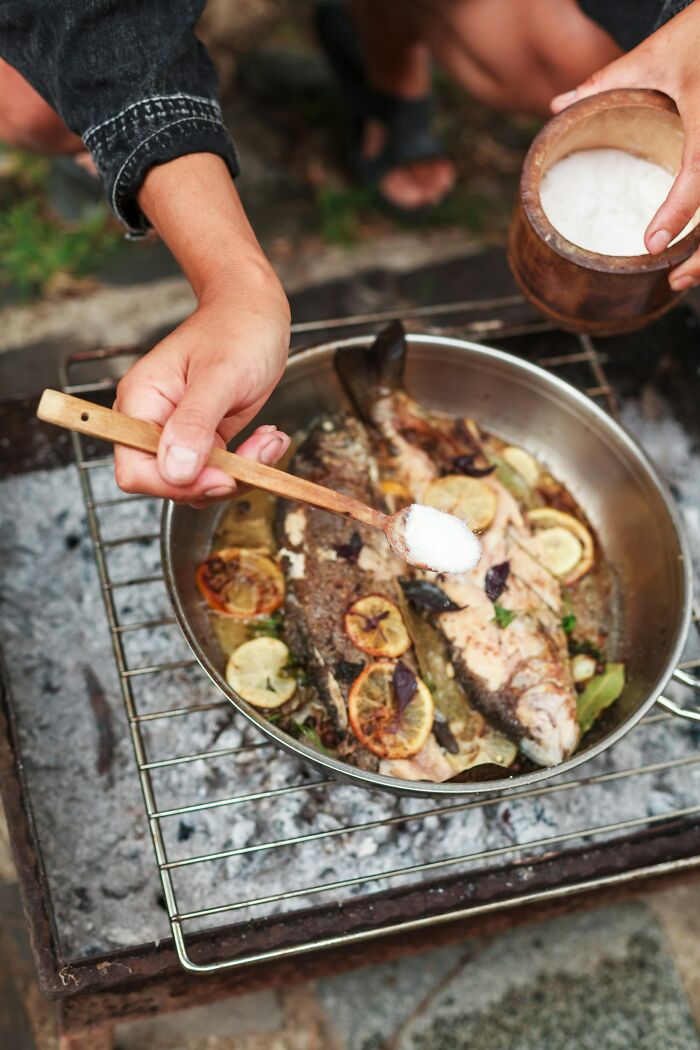 People have been brainwashed to think salt = bad.
In processed foods yes. Because there’s something like 400% of your daily sodium requirements in that microwave burrito.
But fresh cooking? YOU NEED SALT.
People will think your cooking is amazing simply because you used some salt.
#3
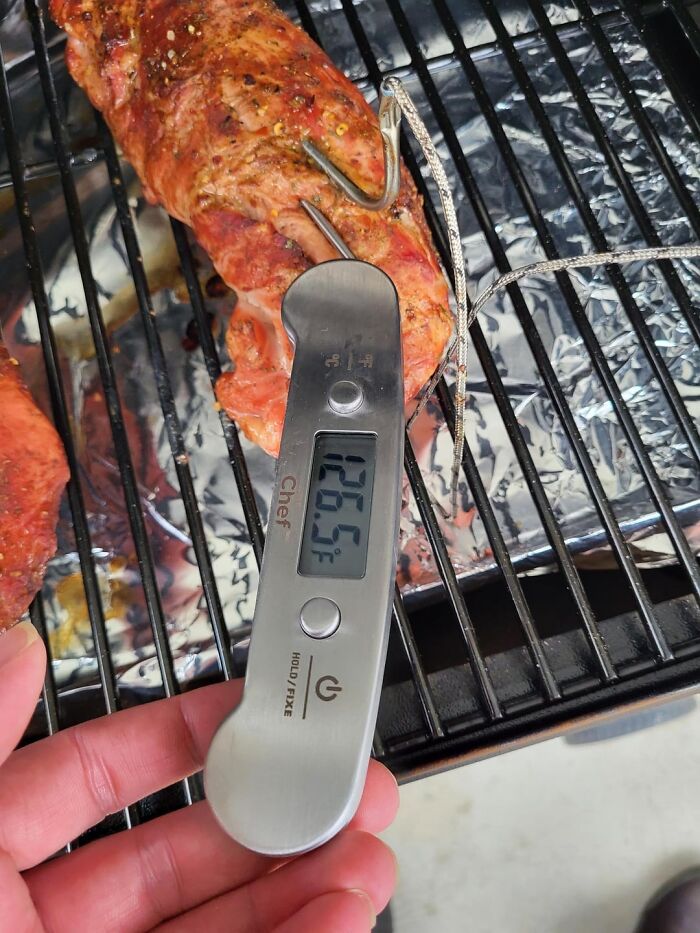 Using a meat thermometer. Seems obvious but you’d be surprised.
#4
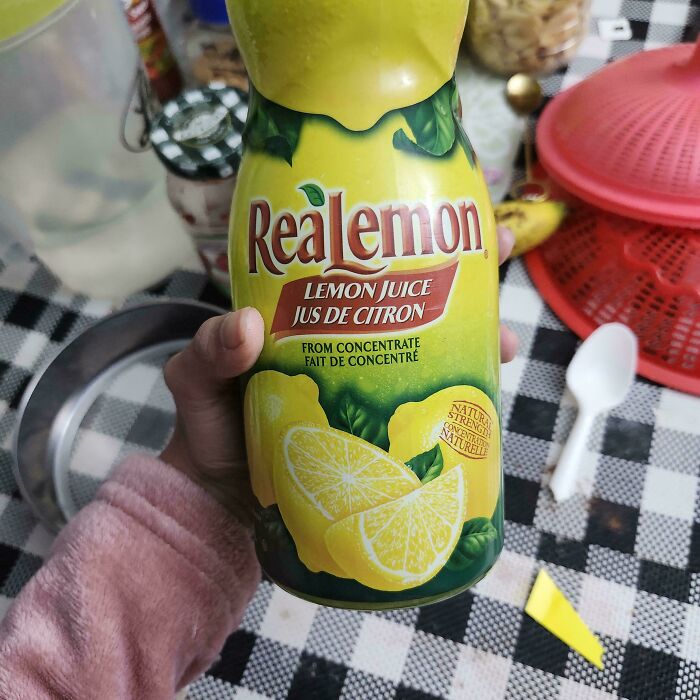 Dish seasoned, but tastes like it’s still missing something? Probably needs something acid like lemon juice or vinegar.
sqplanetariu:
And good to get familiar with different types of acid for different dishes – lemon or lime juice, all the vinegars (red wine, balsamic, apple cider, etc).
BaconReceptacle:
I blew someone’s mind with this. She asked me to taste it because she couldnt figure out what it was missing. I immediately poured a little white vinegar in and she tried to stop me. I stirred it, and had her tasted it. She thought I was a damn magician.
#5
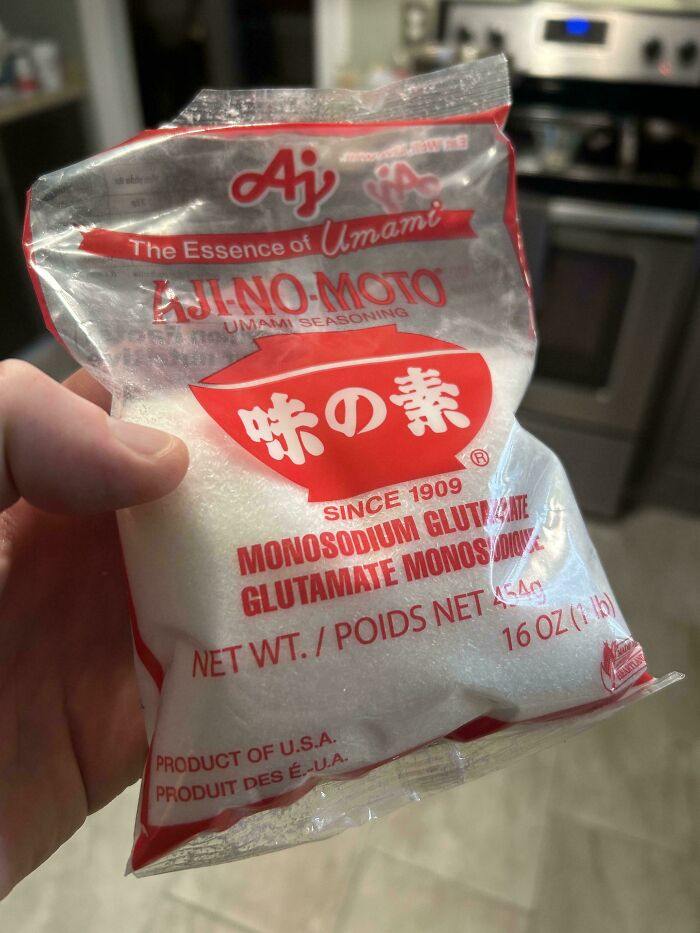 Most types of soup benefit from a little MSG tossed in.
#6
 Every week, buy a whole chicken. You should be able to get them for $10 or less. Throw the chicken and some aromatics in a pot. Make your own chicken stock. Put it in everything. Make rice with it. Make sauces. Use it as a base for soups. Drink it hot out of a mug. Once you become a person who always has homemade stock in the fridge, you’ll wonder how you ever did without.
#7
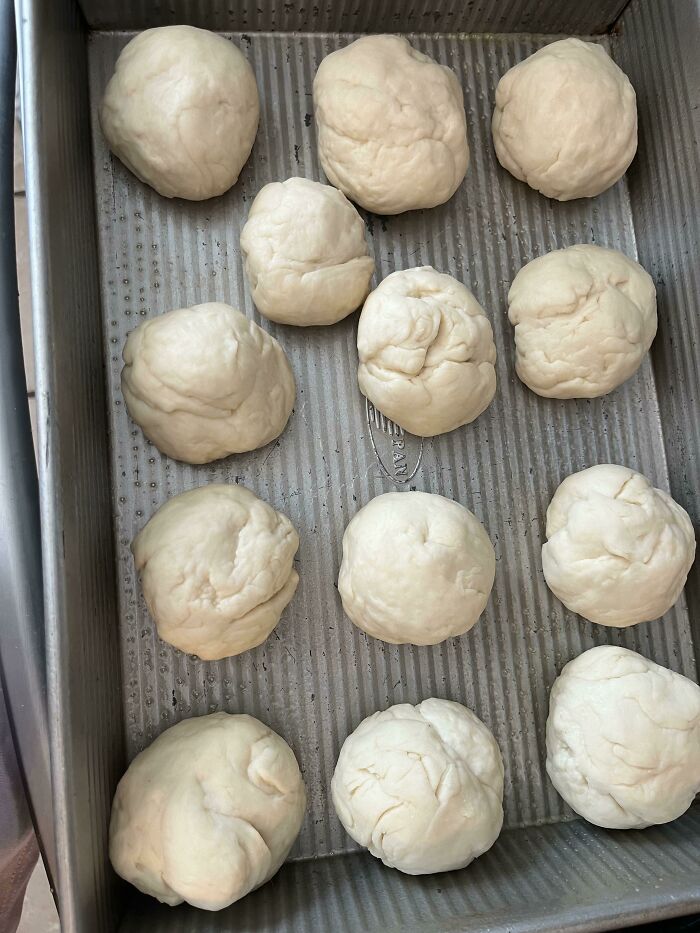 Amateur hobby baker here. I get a lot of compliments on my cookies and I’ve had people ask how I get flavor, shape, texture, etc.
#8
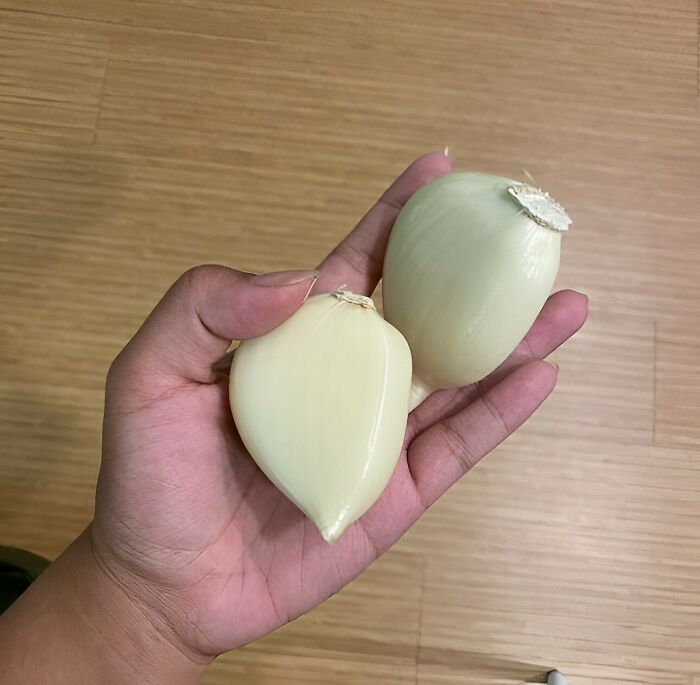 One clove of garlic is never enough garlic, unless the recipe is “How to Cook One Clove of Garlic.” In that case, best be safe and use two.
#9
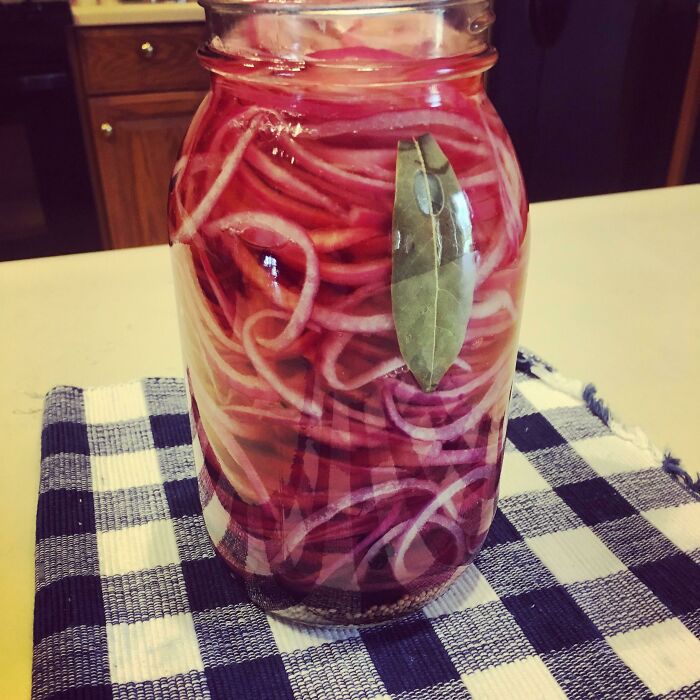 Quick pickle julienned red onions. Not only are the onions themselves great for garnish or whatnot, but the pickle liquid is a great combo of sweet/sour/salt that can be added to countless sauces/vinaigrettes/etc; I prefer to use 1:1 rice vinegar:cane sugar, with a splash of water and a large pinch of salt. I’m a private chef these days, and I use it for so many things.
blackmarksonpaper:
I do it for salads. I quick pickle fine diced red onion. Then strain the liquid and use that to make the dressing. Mix the onions into the salad.
#10
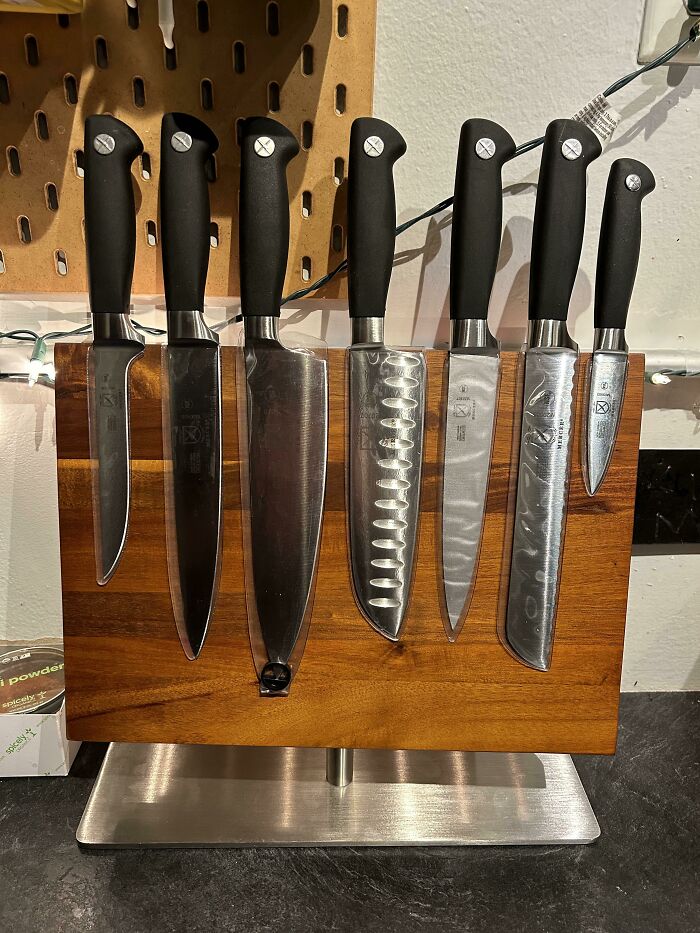 Salt, Fat, Heat, Acid
Get a decent knife and learn to sharpen it.
Learn your stove and the heat levels, I personally do things in 4 minute intervals and adjust heat.
Practice if you can
Take a knife skills class if you can or YouTube it.
#11
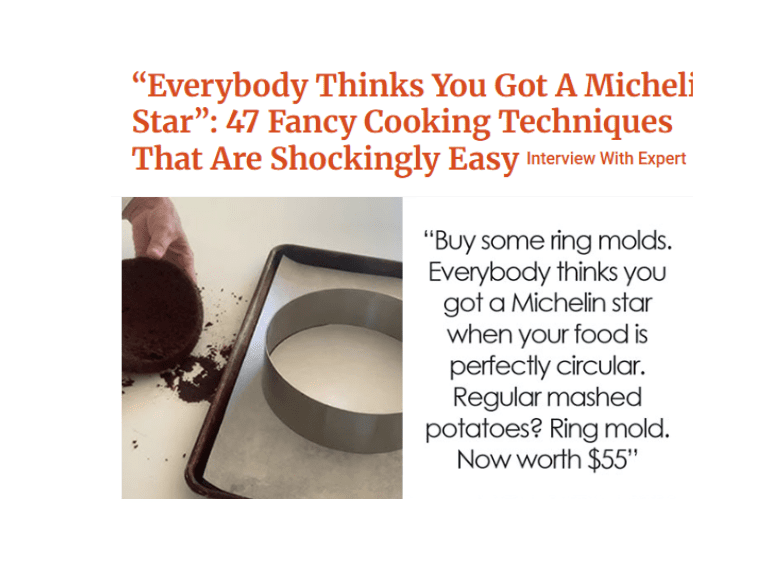
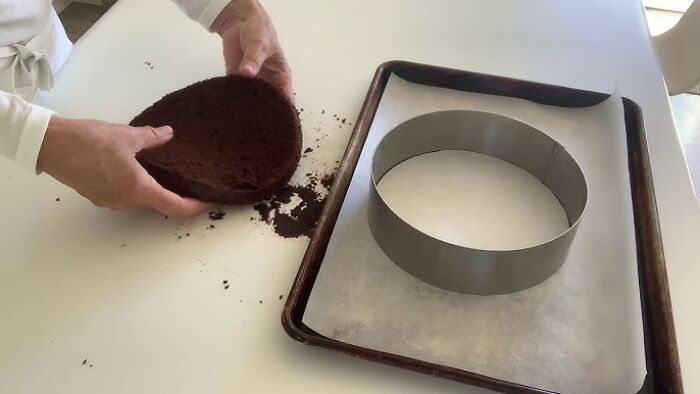 Buy some ring molds. Everybody thinks you got a Michelin star when your food is perfectly circular. Regular mashed potatoes? Ring mold. Now worth $55. Sauce? Ring mold. James Beard Award.
MaritMonkey:
The fact that I made a good first impression on my now mother in law is almost entirely thanks to this trick (with some hash brown casserole things).
She was mildly impressed with the food, but then found out I had cut the bottom out of (cleaned!) tuna cans to use as molds and decided she liked the cut of my jib lol.
notapoliticalalt:
In General, making food look appeal counts for something. Ugly food can be some of the most delicious food out there, but making the presentation nice can elevate your dish even if it is just so so.
#12
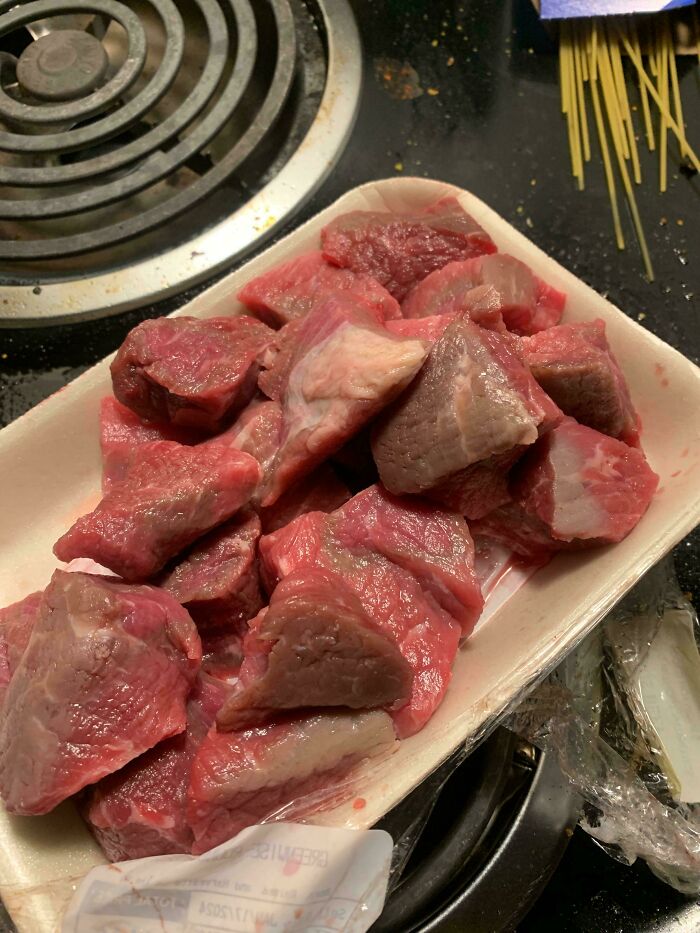 So many main dishes start with this simple process: Brown your meat in a hot pan with oil and butter to create the fond, remove, and cook your aromatics (onions, shallots garlic etc.), add/cook flour for the roux, add the base of your sauce (stock, milk, wine, cream etc.). Simmer and finish off with whatever else is in your recipe or make up your own. There are literally thousands of variations on different meats and cuisines/ flavor profiles that all start with this simple method.
Buy a wand / stick / immersion blender to make smoother sauces and aioli.
#13
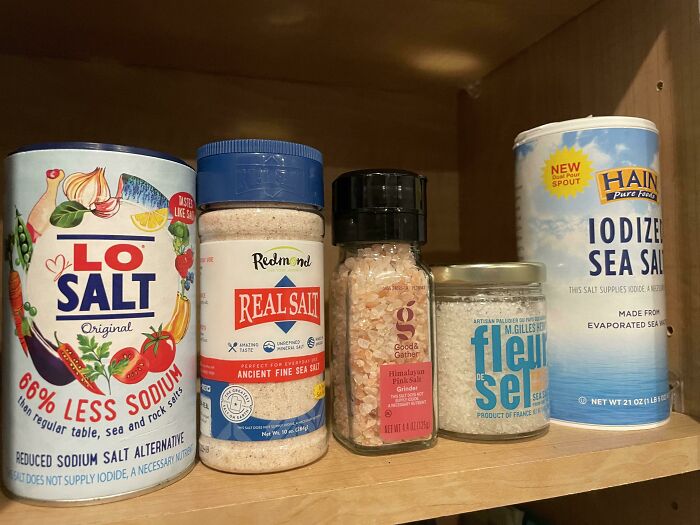 Use more salt. Especially on vegetables.
I always salt the lettuce and tomato before putting it on sandwiches and I can’t tell you how many times people tell me “it’s *so much better* when you make them!”
Yeah. Cuz salt. It’s why restaurants and packaged foods taste better.
You’ll have a heart attack before you’re 40, but you’ll be well fed.
The secret? Chill your dough before baking. It helps everything.
My mom argued that’s not it until she tried it. She’s done it always since. 🤣.
#14
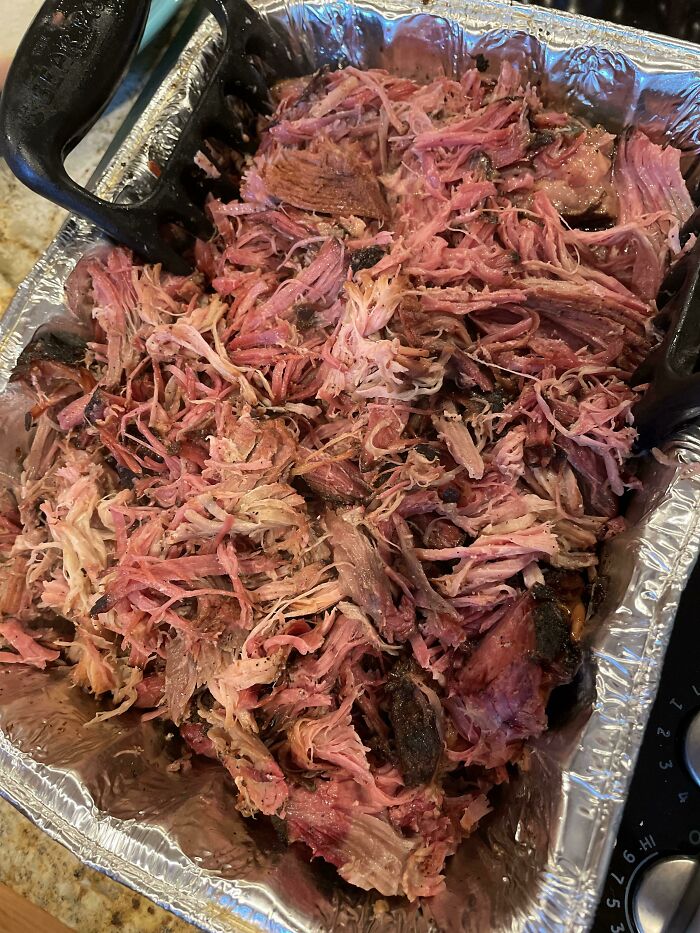 If you’re making pulled pork and want it to be very tender and flavorful, season it with salt and pepper, then put the side with the fat on it face up in a slow cooker. Put it on low for 12 hours. As it cooks, the fat will dissolve and drip into the meat, giving it a wonderful flavor and great texture.
#15
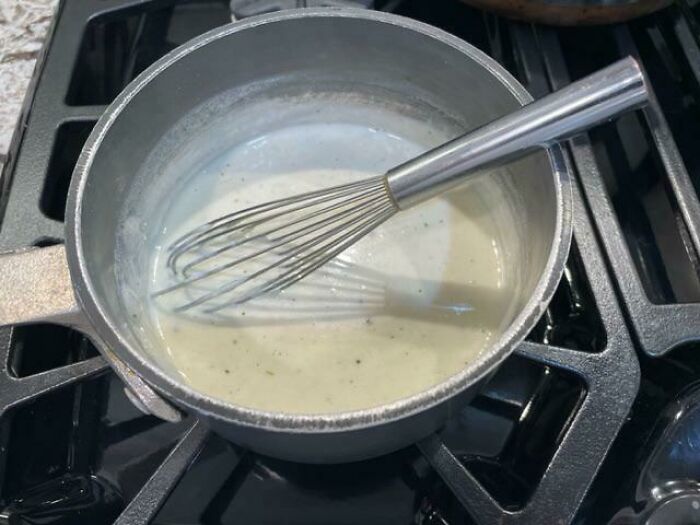 Whenever a cream sauce starts to separate, I add an ice cube and whisk some more along with turning down the heat. The sauce comes back.
Unlikely-Macaroon-85:
This is a trick I use when I make buttercream and it splits. Works like a charm!
cabbageboy78:
Same with reheating cream sauce based leftovers. no matter how good i have made it, have a perfectly balanced roux etc. there is always someeeeee seperation if youre microwaving leftovers at work. so ill usually toss it in for 30 seconds let it warm up, throw a splash of water in and shake it up, go another 30 seconds (or until its warm enough for ya) and bam, that alfredo is almost as good as the night before.
Unfortunately there is no saving the really separated stuff.
#16
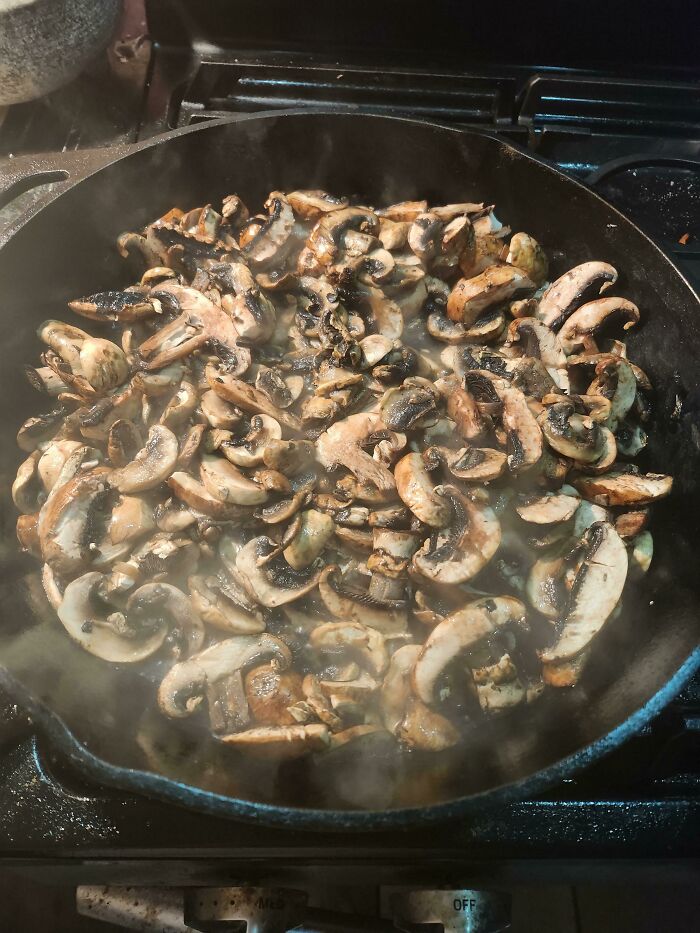 Biggest mistake home cooks make : over crowding their pan.
Stop over crowding your pan to avoid food from steaming instead of roasting. You will taste a whole new set of flavour profiles.
Lpt for indian food : use fresh ground spices instead of pre ground spice powders. This is more expensive and time consuming to do regularly. So this is a optional tip only for people who regularly cook indian food.
#17
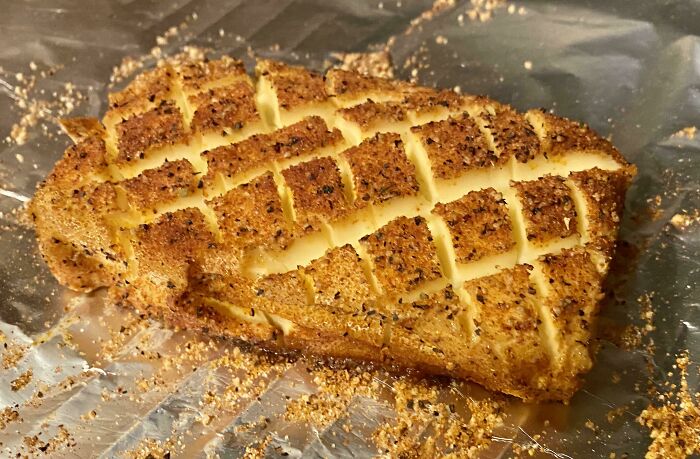 Smoked cream cheese.
Take a block or two of cream cheese, score it on top, season it on all sides, then put it on folded foil and into a pellet smoker at 200 degrees for 2 hours. Maybe add some hot honey in the last 15 minutes. Eat with pita chips or crackers, etc.
Basically no restaurants make it and everyone raved about it. Very unique flavor.
#18
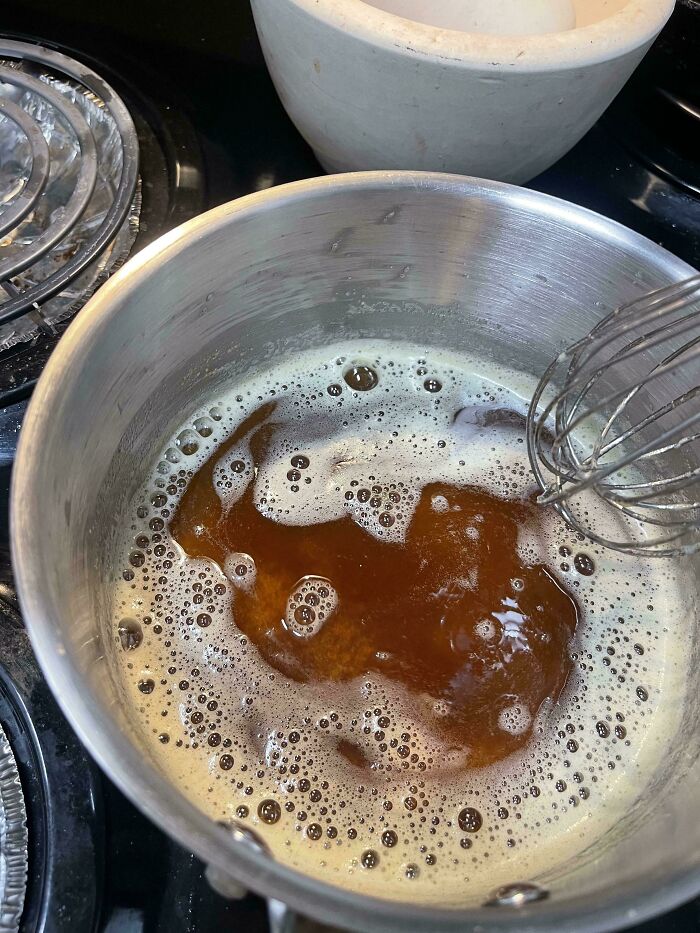 Brown butter. Melt butter, let it quietly foam until the milk solids turn golden and smell nutty, k**l the heat, splash in lemon. Toss with pasta, veg, eggs, or fish and it tastes like you cooked for hours.
#19
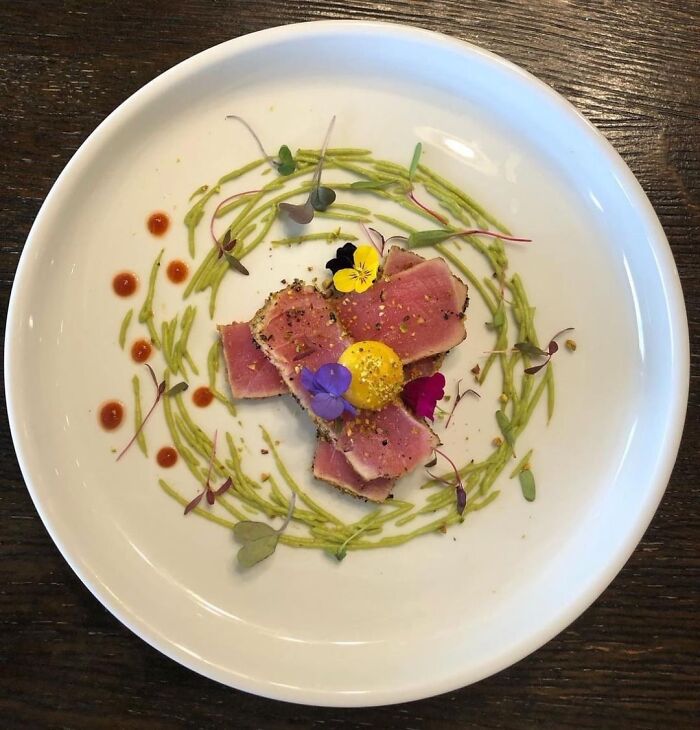 Add toppings when plating. Some chopped herbs, a sprinkle of nuts, a drizzle of olive oil, etc. whatever fits the dish. Bonus points if it’s colorful.
#20
 My biggest ‘fancy technique’ that I like to use to impress people is called ‘reading the f*****g recipe’. No, I’m not joking. If you want to make something, go find recipes for it and then make it exactly as they say. If you like that recipe, it’s yours now, you can do whatever you want to it. If you don’t understand how to make something, then you look it up. This will lead you to some amazing places. I learned how to make a roux, a bechamel from that roux, what a corn starch slurry is used for, the classic frying method of (flour, egg wash, panko).
The biggest secret to cooking is learning how to make something.
Take mac and cheese for example. If you want to make your own cheese sauce you start with a basic roux. Equal parts some type of oil(usually butter) and flour. You whisk that together over medium heat ‘until the raw flour smell goes away’. This usually means for a few minutes. Now you turn that roux in to a bechamel. To do this you slowly pour in milk. If you pour it all at once it will break and be completely ruined. You start with a bit. It’s going to turn in to this weird gloopy dough looking thing, that’s what it’s supposed to do, keep stirring. After mixing that together you pour in some more milk. As you pour it’s going to thin out, just keep adding a bit at a time until you’re poured it all in. Once it’s to desired consistency, which is unfortunately something you only learn by making it over and over again, you can then add your cheese to it. Congratulations, you’ve now learned some incredibly useful fundamentals that cover a variety of dishes. The next time you see a recipe with ‘roux’ or ‘bechamel’ in it, you’ll immediately know how to do that.
#21
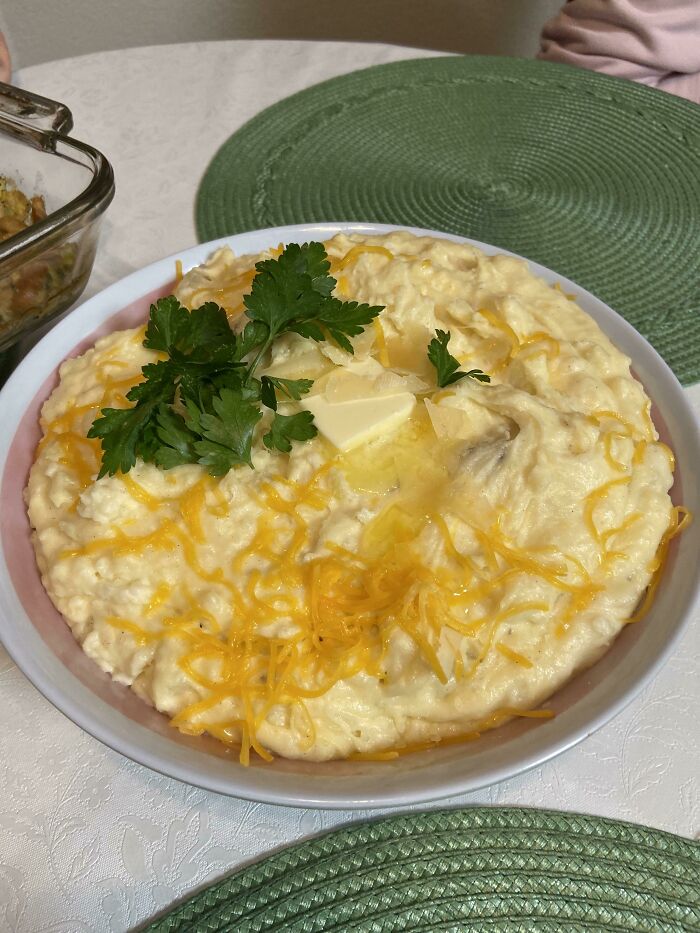 I use sour cream instead of milk for mashed potatoes/purees and everyone always asks for the recipe because it’s so good.
#22
I’ve made tomato sauce a million times, but pureeing it smooth makes it feel so much more luxurious and restaurant-y. It only takes like 2 minutes with an immersion blender, but it makes the texture smooth and creamy and it sticks to the pasta way better too. Small thing that makes a huge difference.
#23
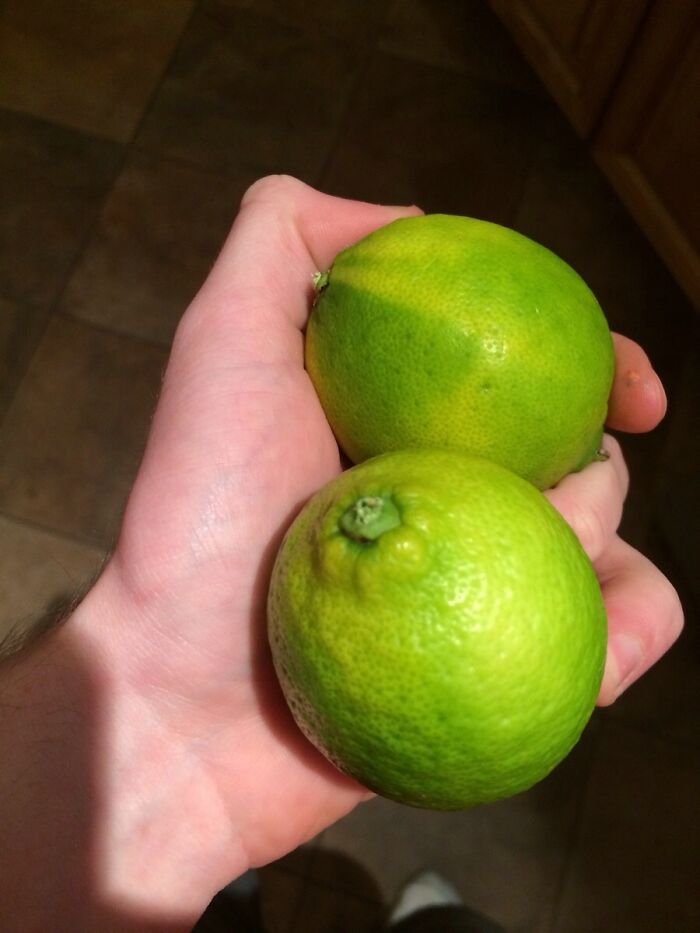 Use just enough seasoning to where people can taste it your but not know it’s there unless you tell them it’s there. Learn to use these the following ingredients well and make sure you always have some on hand.
* Butter: It’s the tastiest oil, but don’t cook too high of a temperature with it.
* Limes: You’d be amazed how well sour pairs with salty. It also infuses a little bit of freshness into a dish. Cuts greasiness taste.
* Vinegar: Same as limes but it’s stronger and cleaner.
* 3 Crab fish sauce: Infuses umami. You’d be amazed how good you can make dishes if you learn how to use this right. If you’re dish tastes like it’s a little hollow and could use salt, go for this!
Blanching green vegetables until their bright green cooks them and keeps them crisp. Season after.
#24
I used to make cheese souffles. They’re supposed to be difficult, but they’ve turned out every time for me. I use a recipe from a 1973-75 version of Joy of Cooking.
#25
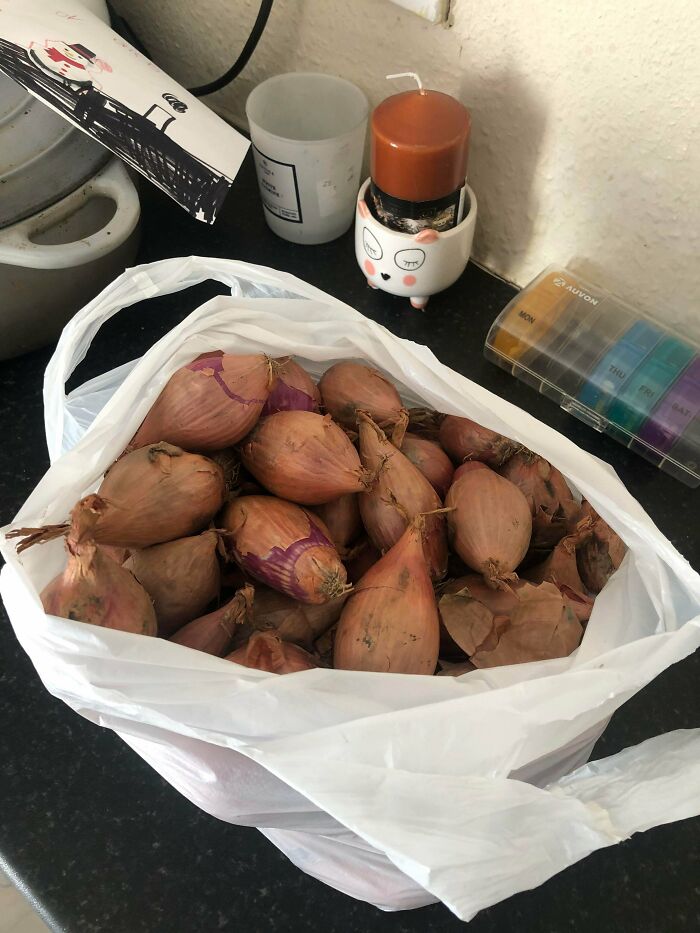 Use shallots instead of onions. They’re just small onions but they taste a little different. Restaurants use them a lot and so people will think it’s fancy.
Get a bunch of small tomatoes still on the vine (eg cherry or grape tomatoes). Put them on a frying pan on very low heat with NOTHING else. No oil, no salt, nothing. Five to ten minutes later you’ll have delicious charred roasted tomatoes still on the vine. It looks fancy and tastes delicious and the only secret is, to quote Tony Bourdain, “don’t f**k with it”.
fresh-dork:
Shallots are great. Chop them up, mince garlic, fry in oil on med heat, think about what to cook.
lovelopetir:
Roasting veggies people think I spent hours, but really I just cranked the oven and walked away.
#26
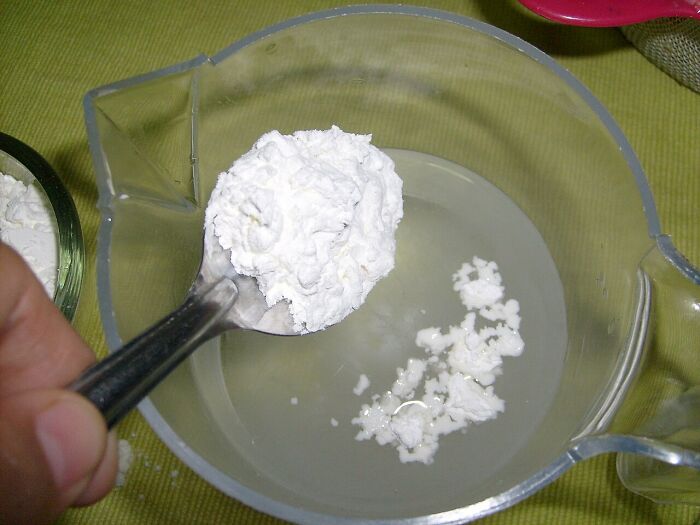 Corn starch will thicken a sauce. Gives stuff like Chinese food that nice glaze. I mix it with a little bit of cold water or broth to dissolve first.
#27
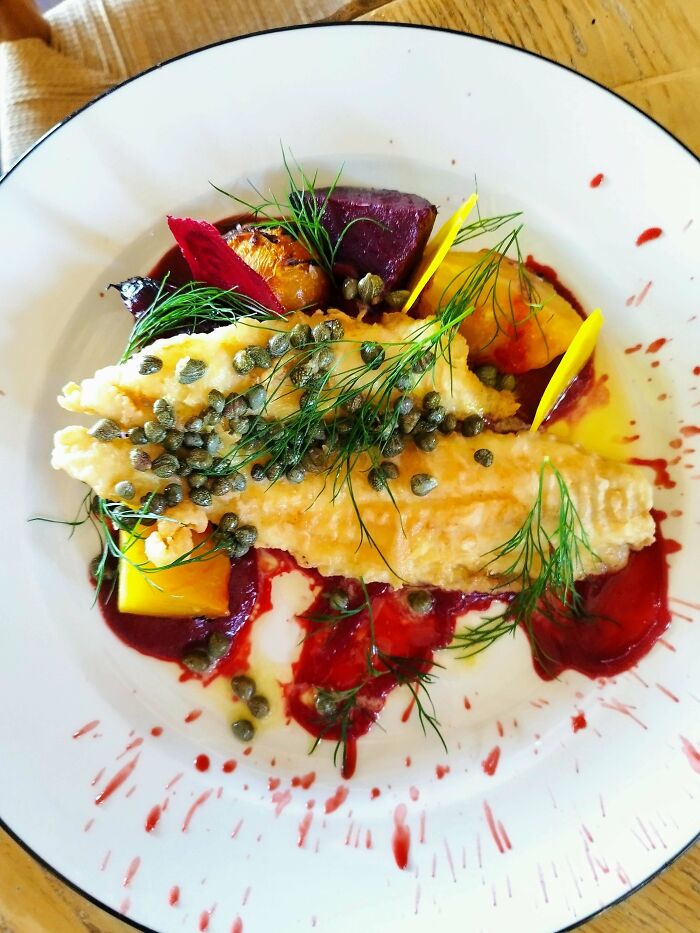 Put some effort into plating. Presentation is a massive part of how people perceive a dish. Don’t just throw food on the plate and call it a day. Think throw how you want it to look like and wipe of any drips. Does wonders.
#28
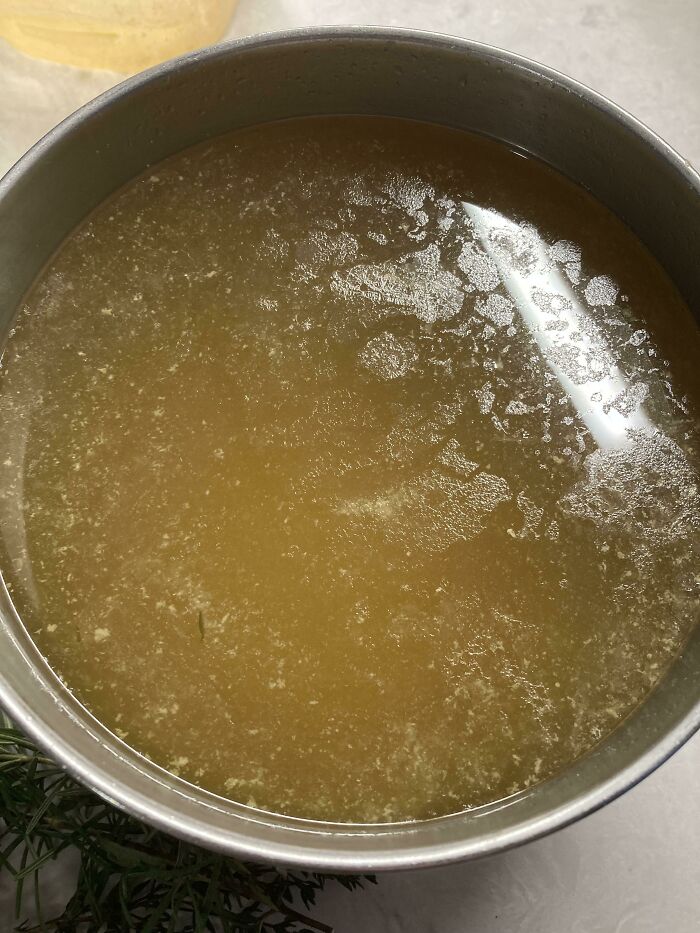 Let your base or stock cook for HOURS. Recipe says 3, cook it for 5 or 6 hours at least. Just gently simmer it. It WILL make a big big difference.
#29
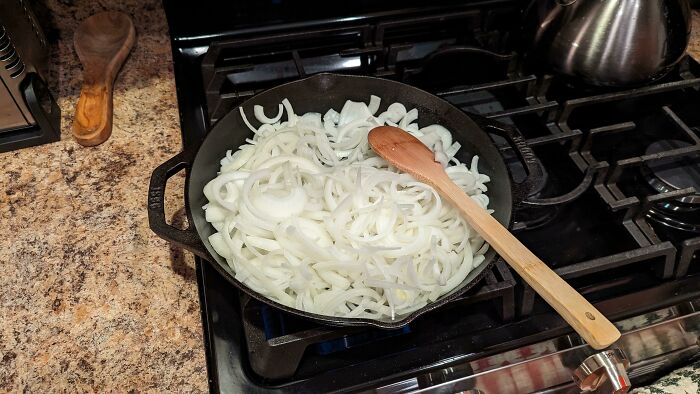 Cooking onions. “Omg what are you cooking it smells soooo gooooood” lmao every time.
#30
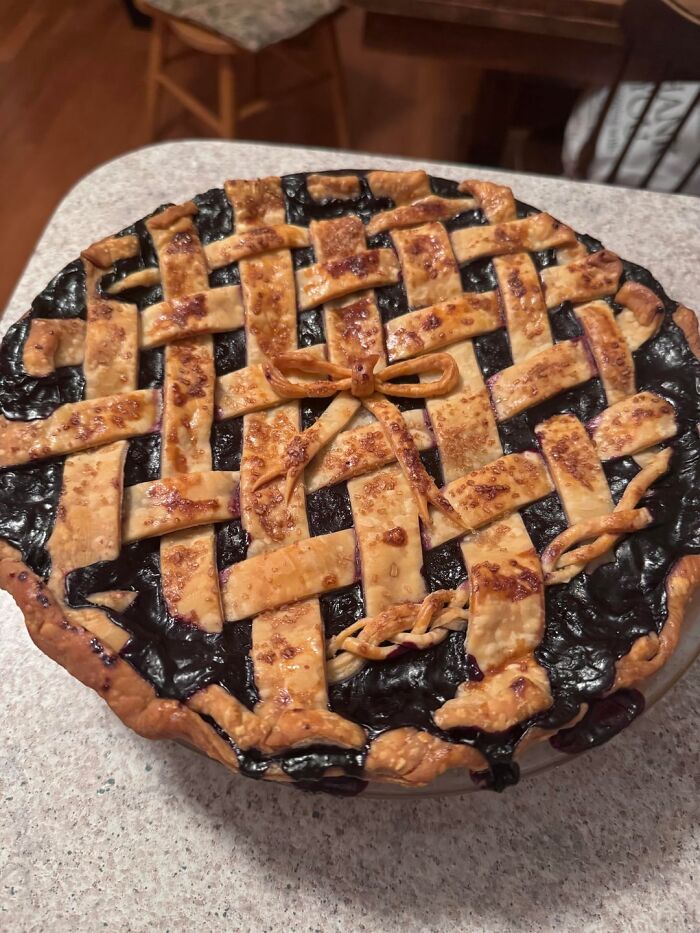 Lattice crust on a pie.
Show up with a lattice top crust, and people assume you’re a heckin’ wizard. It takes less the 10min and very little thought.
#31
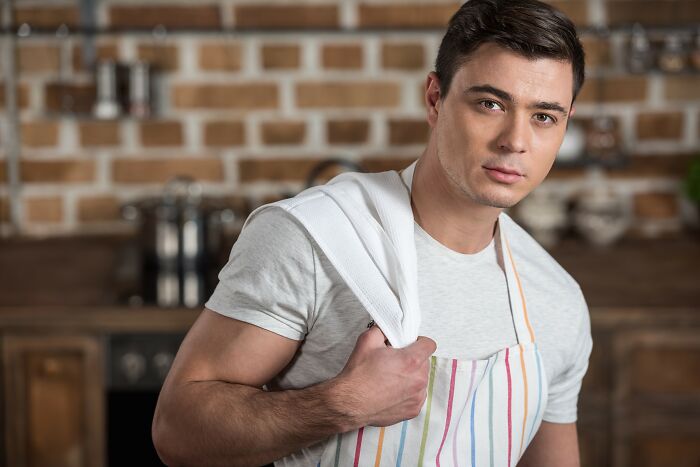 Cook with a hand towel on shoulder. Look fancy making Mac n cheese!
Remunos_Redbeard:
100% this.
Optional: wear a Betty Crocker branded (or similar) apron.
whinny_whaley:
I do that because I obsessively wash hands between touching anything and also can’t handle much heat on the handles so it’s easier to find. Didn’t know I was showing off.
#32
Garlic mashed potatoes? Boil your peeled or unpeeled halved potatoes for 20 min along with a handful of whole peeled garlic cloves. They’ll get perfectly mashed along with potatoes when done. Add butter, cream/milk and salt when mashing. Thanks, Betty Crocker!
#33
 Texture and acid can elevate almost any dish.
If you look down at your dish and everything is just a soft texture, it can easily fall flat. Toasted panko breadcrumbs are like this universal hack that elevates anything. You can add butter, garlic, parsley and lemon zest/ juice to toasted breadcrumbs and sprinkle on top to help cut through the richness of pasta dishes or anything creamy/fatty. I guess it’s a gremolata with breadcrumbs. I can’t tell you how many times I’ve done this and it’s so easy to just make ahead and store in the fridge, the breadcrumbs should stay nice and crisp as long as you don’t overdo the lemon juice/parsley. Fresh is always better.
I like to add this to pasta, or top a piece of grilled/baked fish. Also good topping stews or soups if they are able to sit above the liquid.
If it’s an Asian dish try crushed toasted peanuts and sesame seeds.
If you’re making something a little more delicate/healthy, tossing a small handful of arugula or other crunchy green with a simple dressing of lemon juice, olive oil, salt, pepper, and a little bit of sugar or honey, it can brighten up anything that’s a bit bland or monotone. Just a small amount added like a garnish, not necessarily a side salad, but I like this so much that it’s often a side salad portion.
#34
Caramelizing onions. It’s just patience, but it makes you look like a chad.
#35
 I grind up some pepperoni and put it into my spaghetti sauce.. Along with a serrano. It adds some extra tang and kick.
#36
If you’re having trouble with excess oil in a cheese sauce, adding sodium citrate will keep the oil from separating from the cheese. It has zero impact on flavor and will give you a smoother, creamier sauce.
#37
I’m vegan now, but I used to work at an artisan ramen shop and it’s definitely chicken bone broth (tori paitan)
You basically boil the f**k out of the chicken bones no one thinks to use (feet) and it makes the most lip smacky delicious broth. Then you can use it as an ingredient in everything. From cooking your rice to adding to currys it goes so far. People will beg for your secret ingredient.
#38
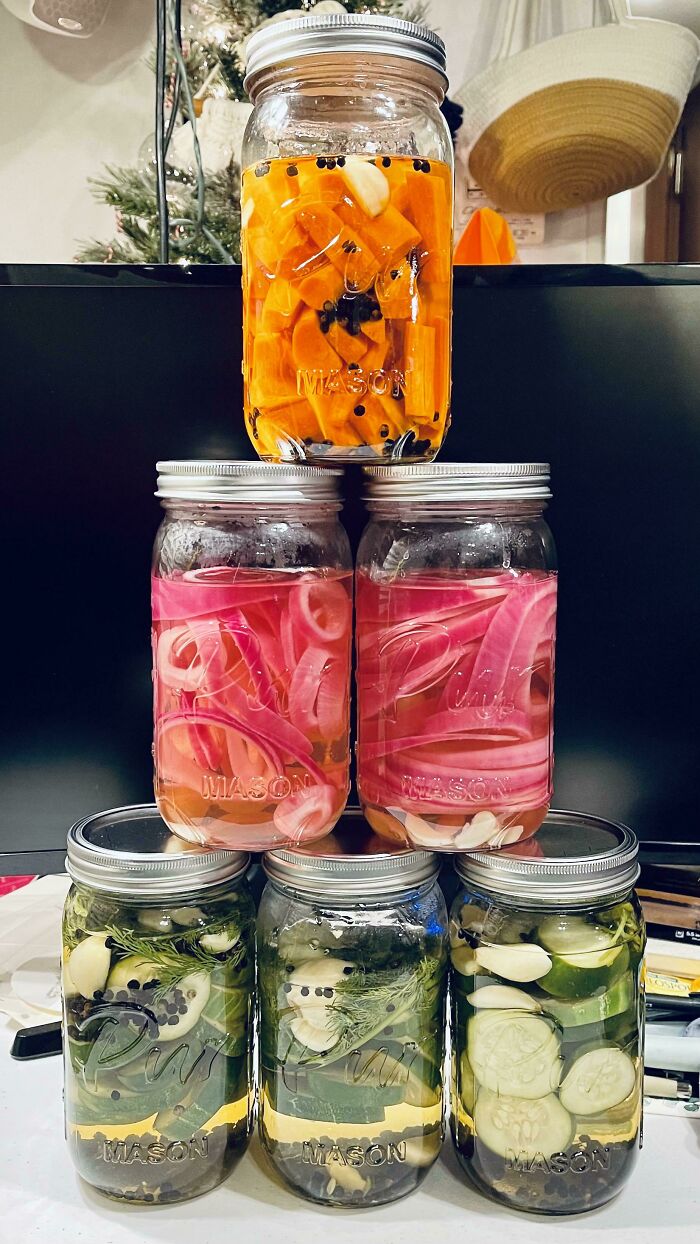 Pickled veggies and fruit. All you need is a jar, a veggie/fruit, vinegar, water, and some sugar. It’s a perfect healthy garnish or addition to elevate the flavor of any dish. It’s sweet and tart and crunchy, many times what is missing from a dish.
Here’s some examples:
– pickled red onions
– pickled cucumbers
– pickled jalapeños
– pickled mango.
#39
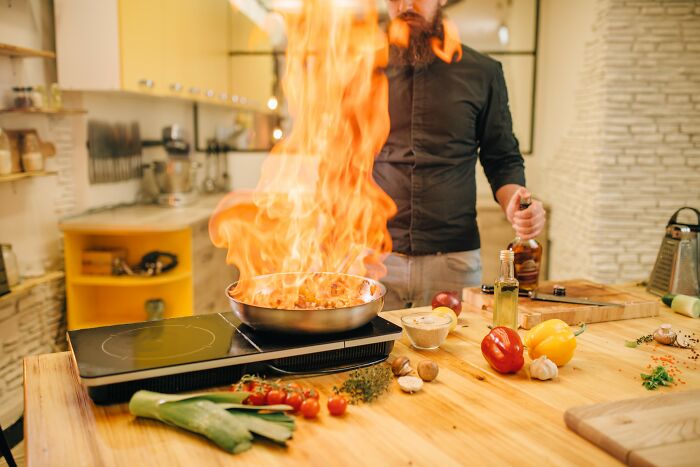 Deglaze your pan with a little alcohol. If you are on a gas stove you have a little fire for a couple seconds. My son loves it, granted he is 8.
ThatMerri:
A bit of water or stock works just fine, if you’re of the sort that can’t have alcohol in their diet for whatever reason. Can’t flambé it, but it’ll still do the job of deglazing your pan just fine.
Content Source and pict by: / BoredPanda / W1Network