The air in the garden was thick with the scent of roses and the soft, golden light of a late afternoon sun. Every detail was perfect, from the delicate lace on her gown to the hopeful smiles of the two hundred guests seated on white chairs. It was a scene ripped from a fairy tale, a moment of collective breath-holding before the lifelong promise. All eyes were on him, the groom, as he took his bride’s hands and prepared to speak his wedding vows. These were not the traditional, oft-repeated words; he had insisted on writing his own, a gesture she had found incredibly romantic in the weeks leading up to their special day. She looked at him, her eyes shimmering with unshed tears of joy, her heart a vulnerable, open book in her hands. The first few sentences were sweet, filled with generic compliments about her beauty and his luck, and the crowd offered soft, appreciative murmurs. But then, the tone shifted, and the fairy tale began to curdle into something far more real and painfully public.
He began to outline not just promises, but a list of conditions, a blueprint for her transformation into his ideal of a perfect wife. He vowed that she would learn to cook his mother’s recipes because, as he said with a chuckle that didn’t reach his eyes, her current culinary skills were “a danger to the household.” He promised he would help her become more organized, joking about her chaotic closet and perpetually lost car keys, a private insecurity he now laid bare for their entire social circle. Each sentence, disguised as a light-hearted jest, was a subtle critique, a public airing of what he perceived as her flaws. The wedding vows, which should have been a sanctuary of unconditional acceptance, became a stage for his condescension. You could see the change in her posture, the slow stiffening of her spine, the gradual draining of color from her face beneath her veil. The guests shifted uncomfortably, their smiles frozen in place, unsure whether to laugh at his awkward attempts at humor or to sit in stunned silence at the unfolding humiliation.
The concept of wedding vows is perhaps one of the most profound and universally recognized traditions across cultures, a ceremonial anchor that is meant to hold a couple fast through the storms of life. At their core, these promises are a declaration of intent, a verbal contract of the heart that says, “I see you, I choose you, and I will stand by you.” They are not meant to be a list of grievances or a blueprint for remodeling a person into a more convenient partner. The power of well-crafted wedding vows lies in their unconditional nature, their focus on the “we” rather than the “you need to change.” In that garden, as the groom continued to speak, he was fundamentally misunderstanding this purpose. He was not building a foundation; he was wielding a wrecking ball, using the most vulnerable moment of their relationship to deliver a series of backhanded compliments that felt less like promises and more like public shaming disguised as affectionate ribbing.
What he failed to grasp is that the essence of these promises is rooted in mutual respect and a deep-seated admiration for the person as they are, not as a project to be improved. The most meaningful wedding vows often speak of shared strength, of being a shelter for one another, and of cherishing the very idiosyncrasies he was mocking. They are about vowing to be a soft place to fall when the world is hard, not a constant critic pointing out where one fails to measure up. His words, likely intended to be humorous and honest, completely missed the mark of true intimacy, which requires a safe and private space for growth, not a town square condemnation. The laughter he expected from the crowd never truly came; instead, a palpable tension settled over the guests, a collective wince with every new “vow” that left his lips. You could see the confusion on the faces of their friends and family, a silent question hanging in the air: was this really happening?
The moment of climax came when he moved from criticizing her domestic habits to commenting on her ambitions. With a smug smile, he vowed that now that they were getting married, she would finally be able to relax and maybe focus on starting a family, implying that her demanding career had been a sort of hobby she could now set aside. It was this final comment, this casual dismissal of her life’s work and passions, that broke the spell. The love and hope in her eyes extinguished, replaced by a cold, clear realization. She slowly pulled her hands from his, the contact breaking with a finality that echoed in the silent garden. She took a small step back, then another, her gaze never leaving his stunned face. The wedding vows had been intended as a binding ritual, but in that moment, they became the very thing that set her free from a future she suddenly saw with terrifying clarity. The walk down the aisle away from him, past the rows of shocked guests, was the most dignified and powerful statement she could have made.
This dramatic story, while extreme, serves as a powerful cautionary tale about the immense weight our words carry, especially when spoken in a moment of such profound significance. The language we use in our relationships, particularly when formalized in something like wedding vows, creates the emotional reality we will inhabit. Words of affirmation and unconditional support build a fortress of trust, while words of criticism and conditionality, no matter how humorously delivered, create cracks in the foundation that can eventually cause the entire structure to collapse. It is not simply about avoiding negativity; it is about actively choosing a lexicon of love that empowers and uplifts. The semantic field of lasting marriage is filled with terms like partnership, teamwork, respect, and admiration concepts that were conspicuously absent from the groom’s disastrous speech. His focus was on a one-sided improvement plan, not a mutual journey of growth.
Reflecting on this, one must consider the importance of true communication long before a couple ever reaches the altar. The promises made on that day should be a natural extension of the conversations they have been having for months or years, a culmination of their shared understanding and values. A couple who has honestly discussed their hopes, fears, flaws, and dreams would never find themselves in such a shocking situation. The groom’s words revealed a fundamental lack of communication; his grievances were clearly long-held, yet he had chosen the worst possible moment to reveal them, turning a sacred promise into an ambush. This highlights why pre-marital counseling and deep, sometimes difficult, conversations are not just helpful but essential. They ensure that both people are entering into the marriage with their eyes wide open, their hearts aligned, and their wedding vows a genuine reflection of a bond that has already been tested and strengthened in private.
In the end, the story of the bride who walked away is not a tragedy but a testament to self-respect and emotional intelligence. She listened, not just to the words he was saying, but to the subtext of a future she would be living. She realized that the man standing before her did not see and love the woman she truly was; he loved an idealized version he hoped to sculpt her into. Her walking away was the ultimate act of honoring herself, a declaration that she would not contractually bind herself to a life of diminishment and criticism. It was undoubtedly humiliating and heartbreaking for everyone involved, but the temporary pain of that public moment is nothing compared to the lifelong pain of a marriage built on a foundation of disrespect. Her dramatic exit was, in its own way, a vow she made to herself a promise to never accept less than the unconditional love and respect she deserved.
The memory of that day, of the scattered rose petals and the abandoned altar, serves as a stark reminder that the true power of wedding vows lies not in their public performance, but in their private truth. They are the whispered promises in the dark, the steady support through failures, the celebration of small victories, and the daily choice to see the best in your partner. The most successful marriages are not those that are perfect and free from conflict, but those where both individuals feel safe, valued, and cherished for exactly who they are. The real promise is to grow together, not to force growth upon one another. So when you stand before your loved one and your community, ready to speak those weighty words, remember that you are not just crafting a speech, you are building the emotional architecture of your life together. Make sure your wedding vows are a foundation of love, not a list of ultimatums, for the words you choose on that day will echo throughout the entire lifetime of your union.
Your wedding vows are meant to be incredibly personal. After all, nobody knows why you love your soulmate better than you
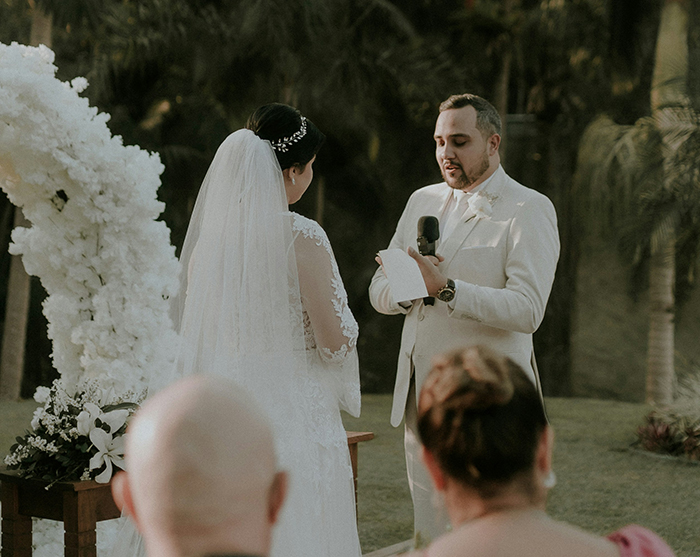
Image credits: Alexander Mass / unsplash (not the actual photo)
One groom watched his entire relationship implode when the bride instantly figured out that he used ChatGPT to ‘write’ his vows
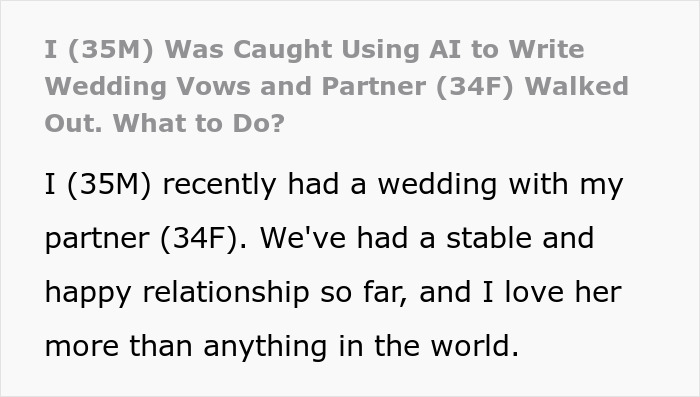
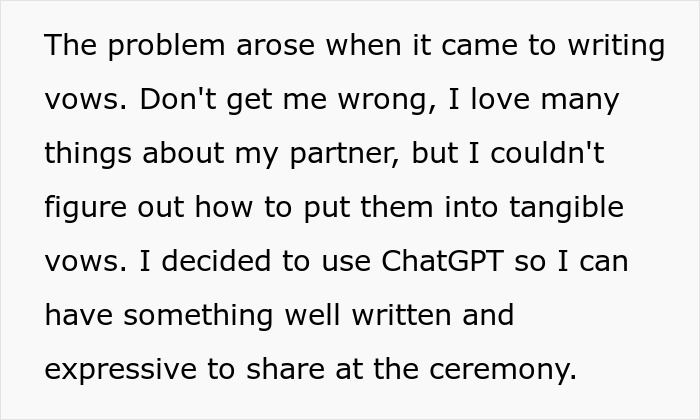
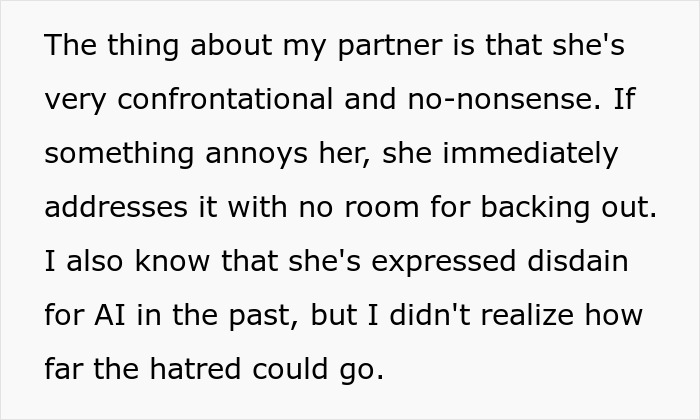
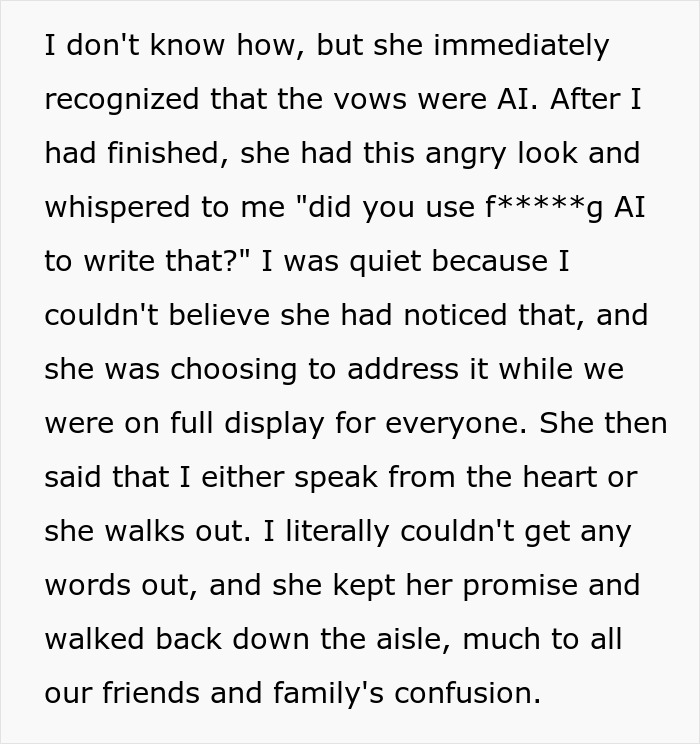
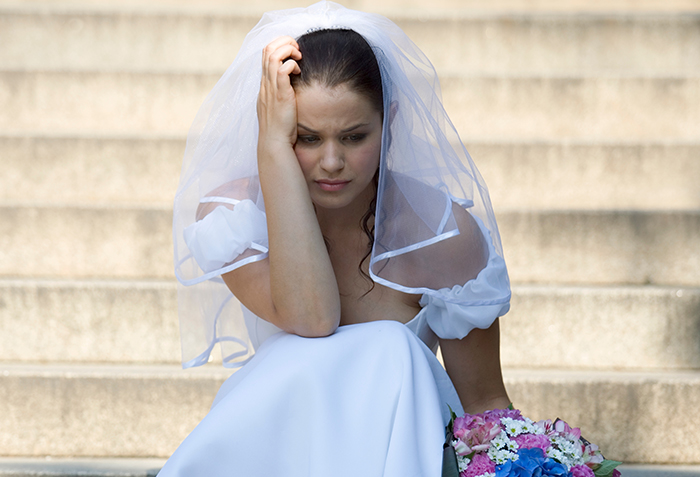
Image credits: JuiceFlair / envato (not the actual photo)
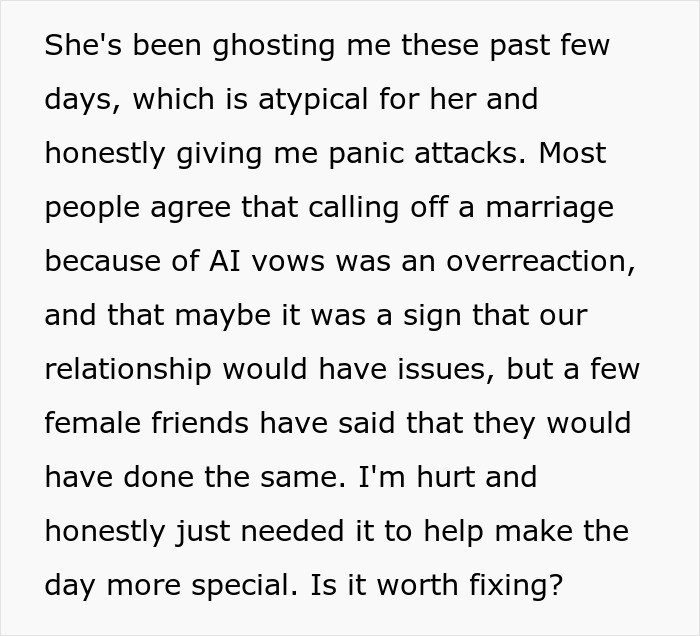
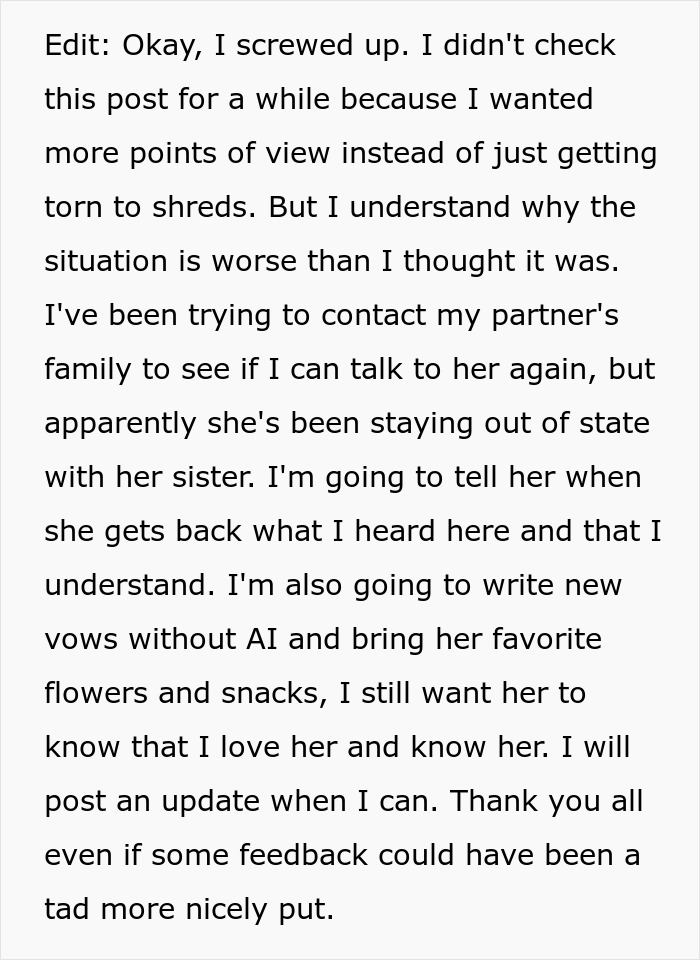
Image credits: ThrowRA-Badvows
Chatbots are absolutely awful for your critical thinking and learning skills
Image credits: Solen Feyissa / unsplash (not the actual photo)
Your vows should focus on your unique understanding of your soulmate, but they don’t have to be ‘perfect’
Image credits: Sebastian Romero / unsplash (not the actual photo)
However, a handful of people actually had the groom’s back. Here’s their take
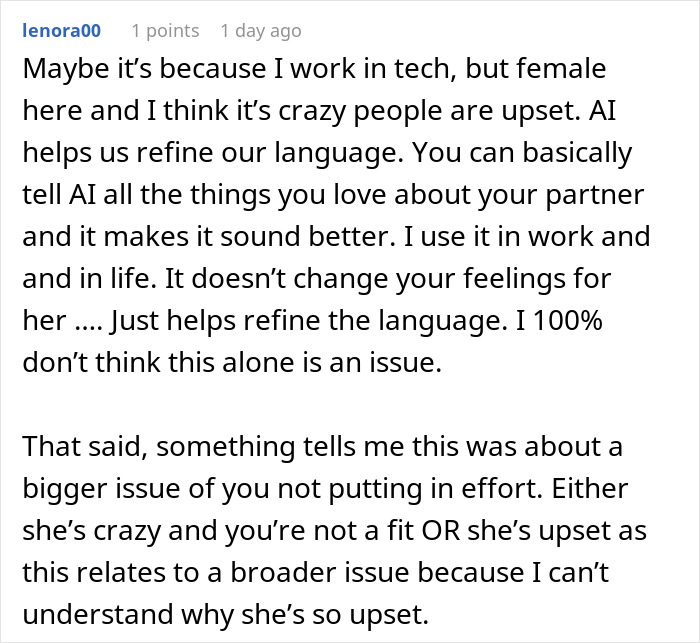
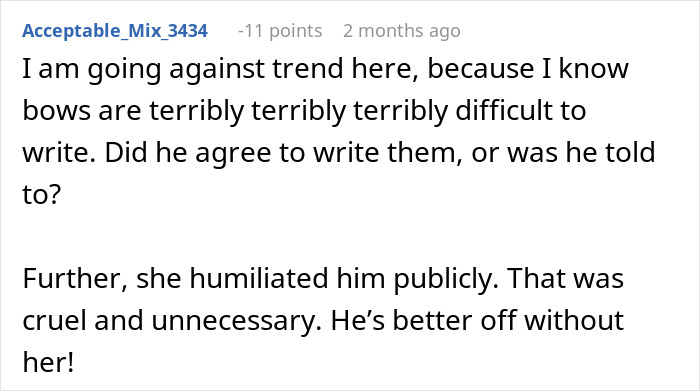
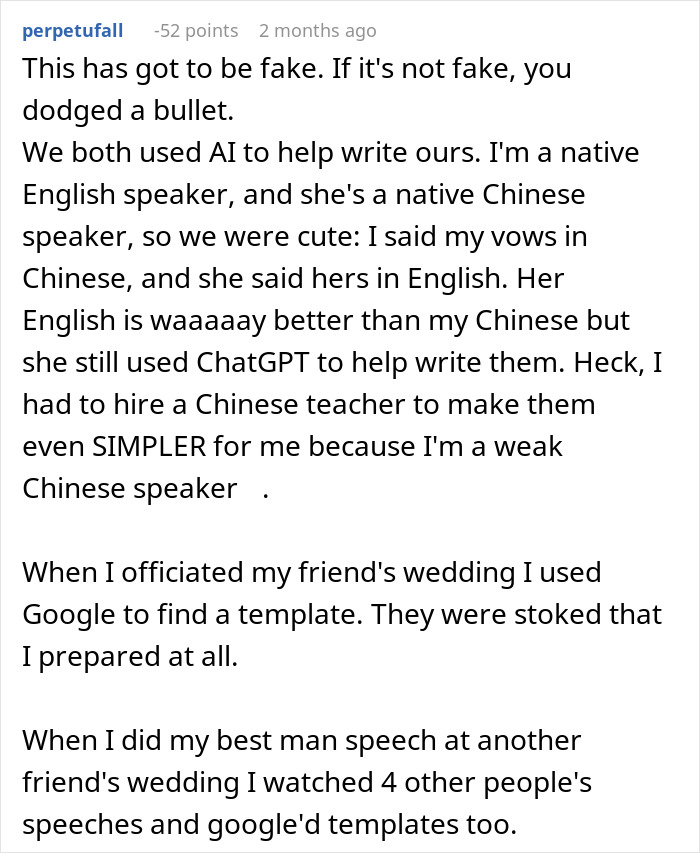
Image credits: StudioPeace / envato (not the actual photo)
Later, the man shared an update about how he tried to fix his relationship
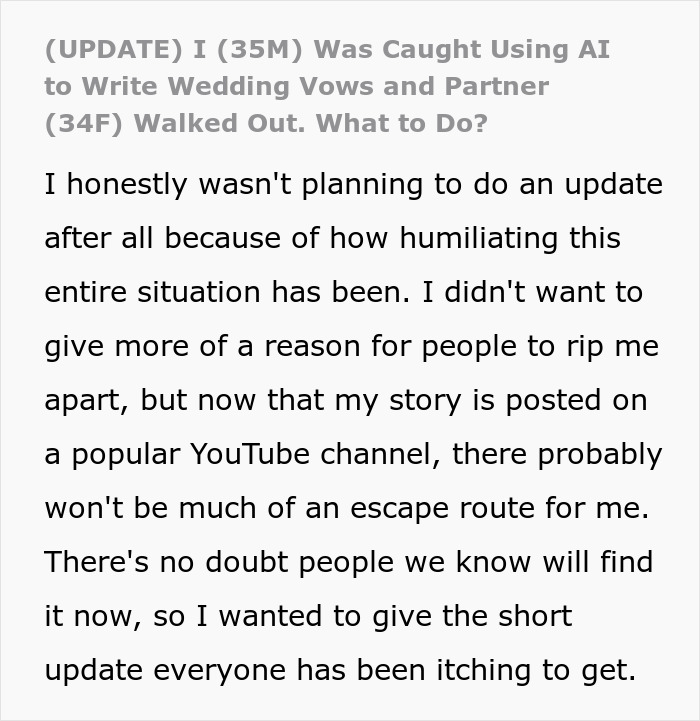
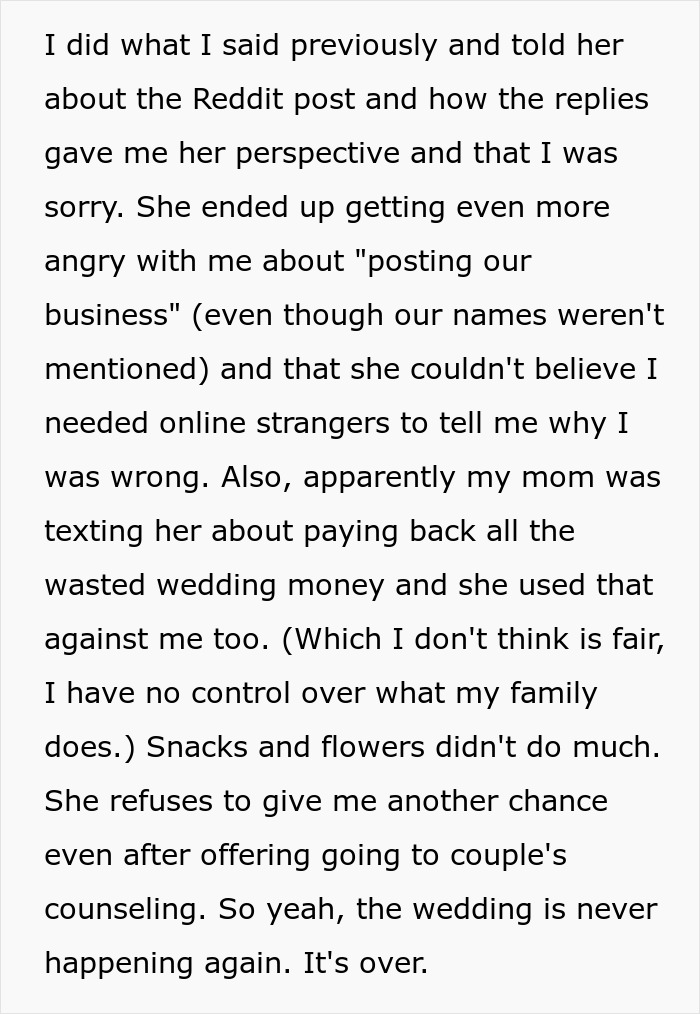
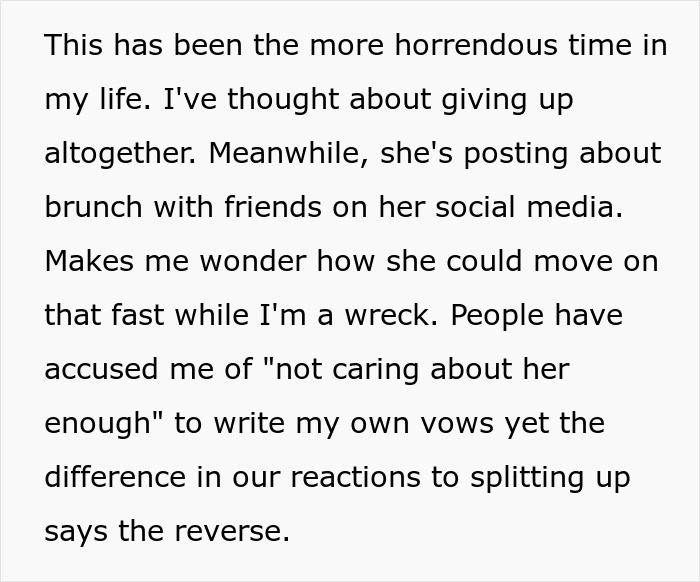
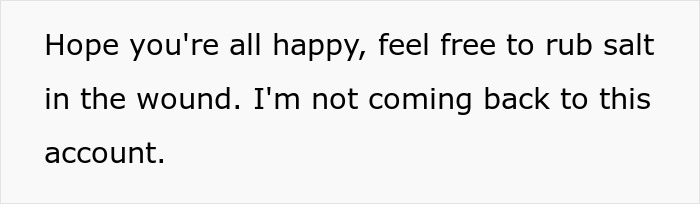
Image credits: ThrowRA-Badvows
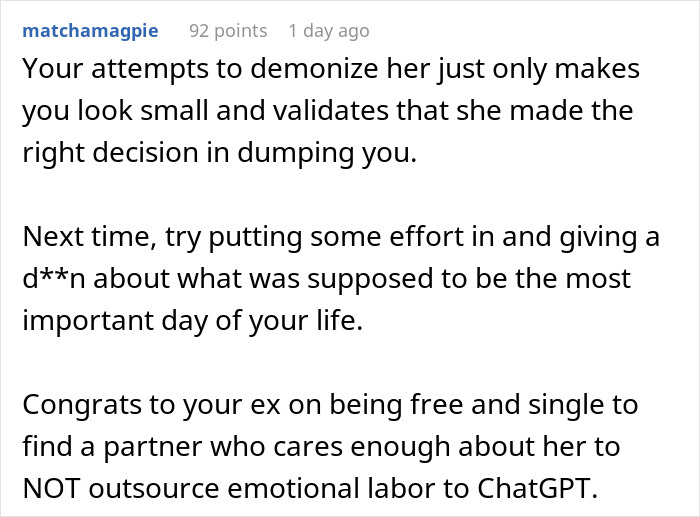
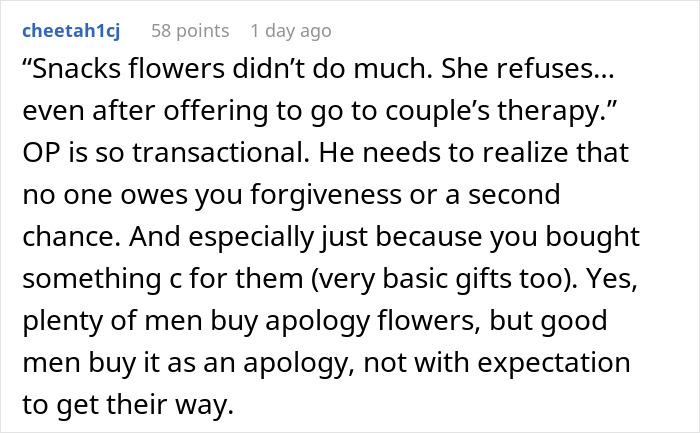

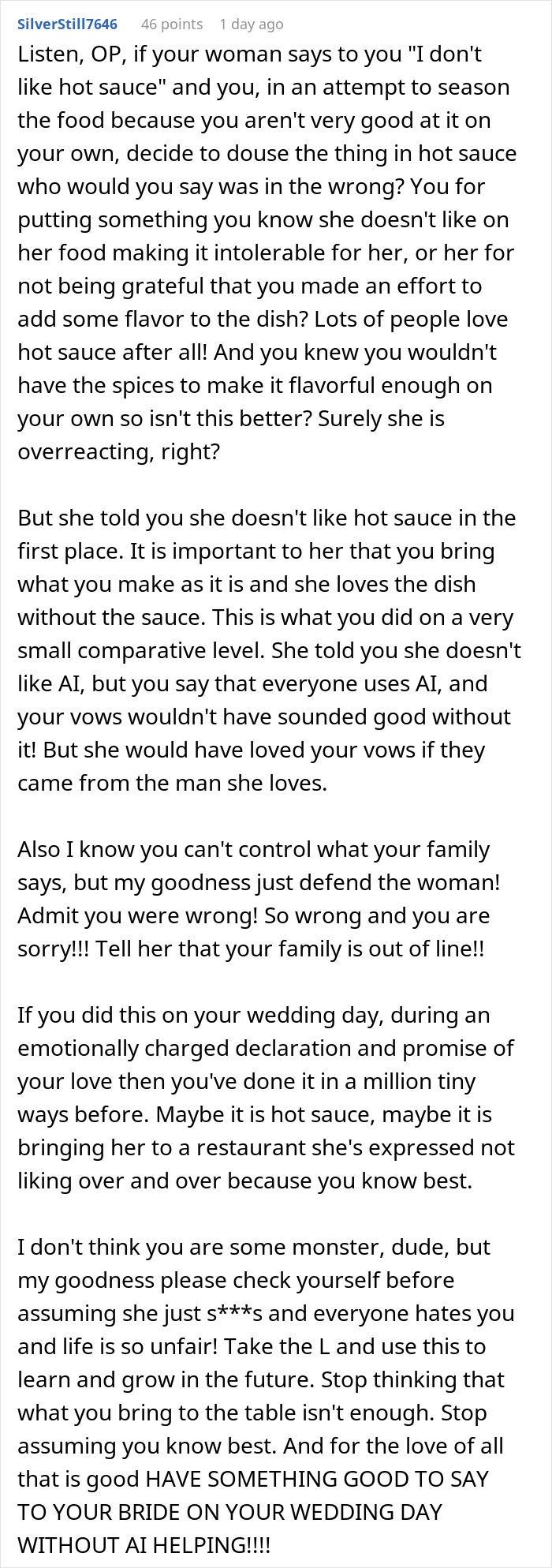
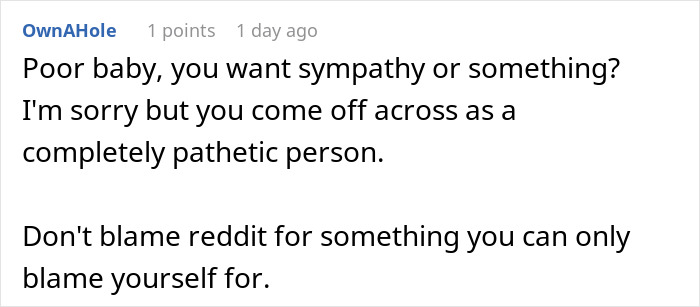
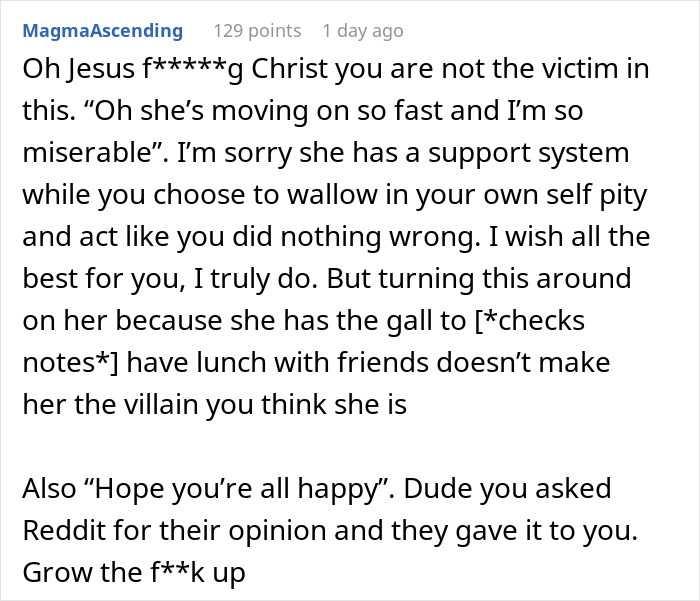
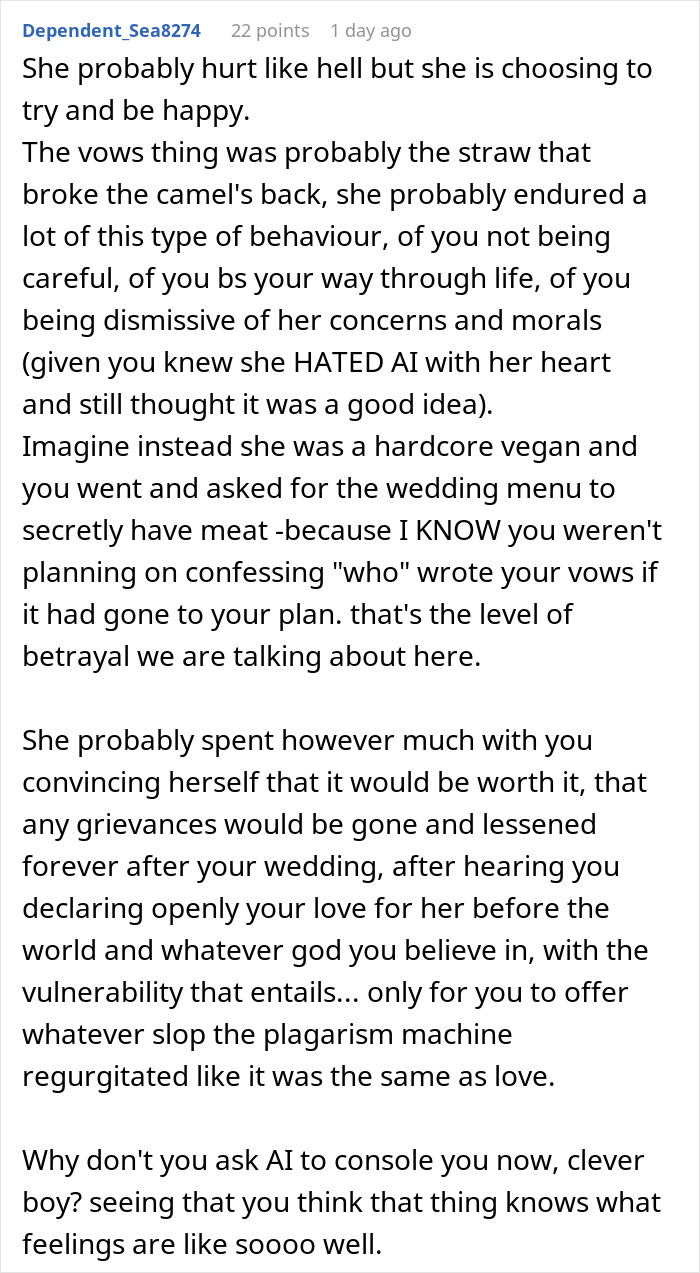
Most readers disagreed with the man. Here’s their perspective on the wedding drama
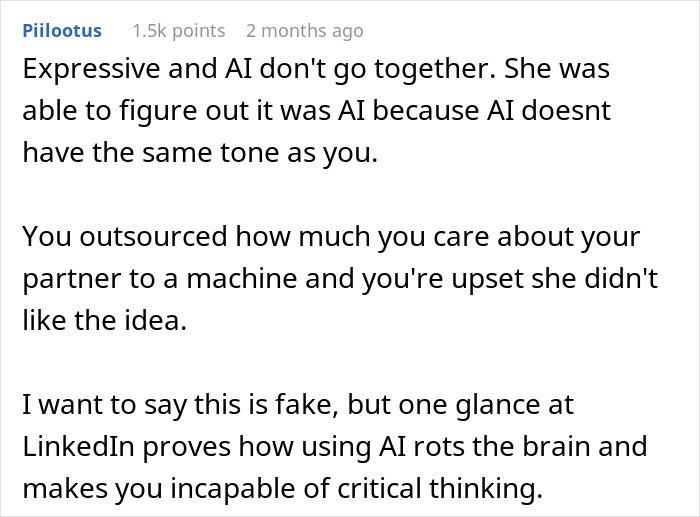

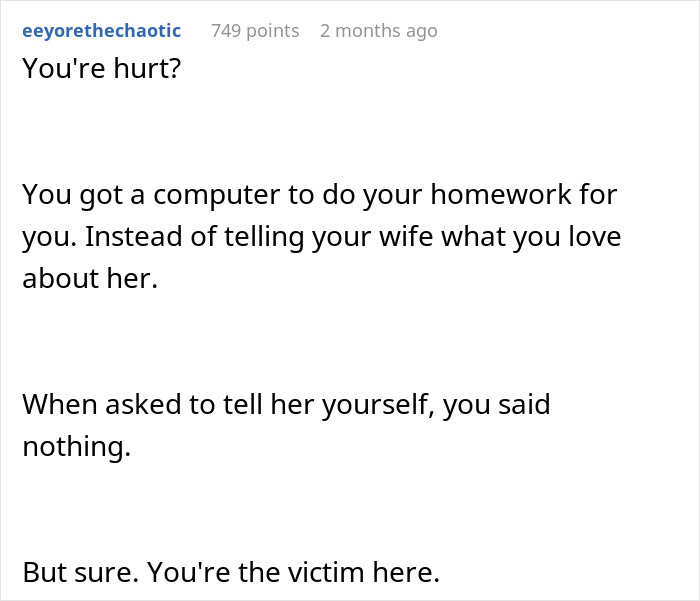
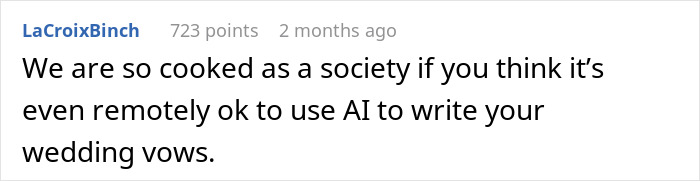
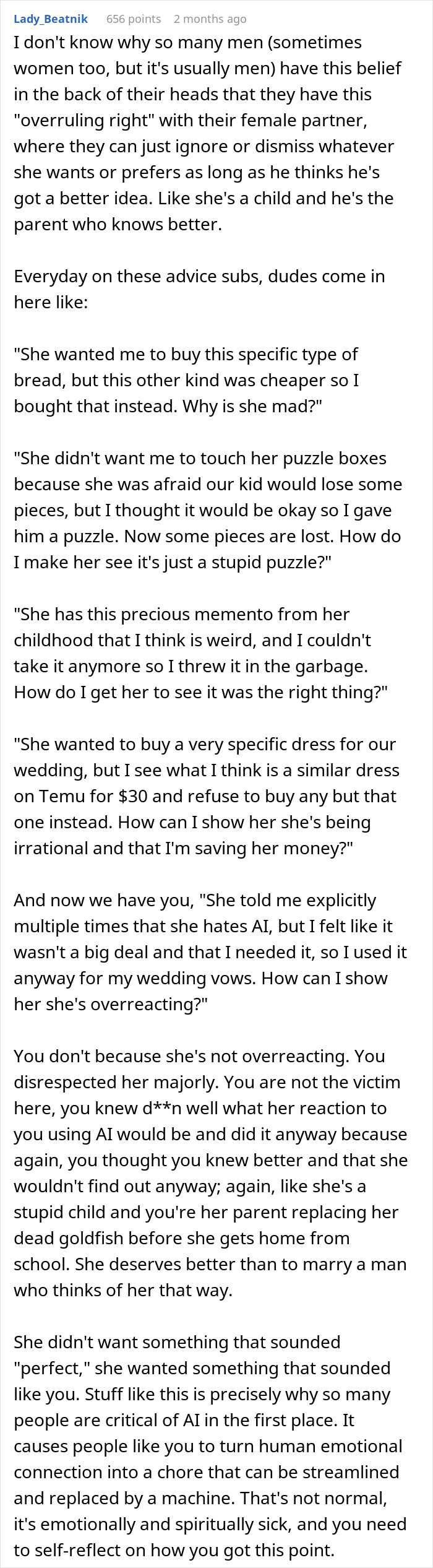
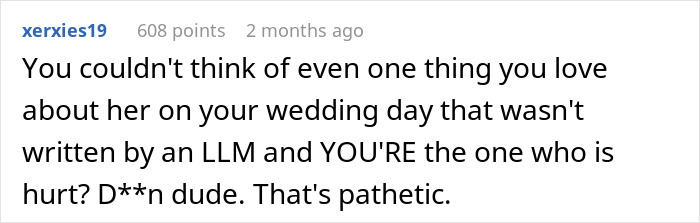
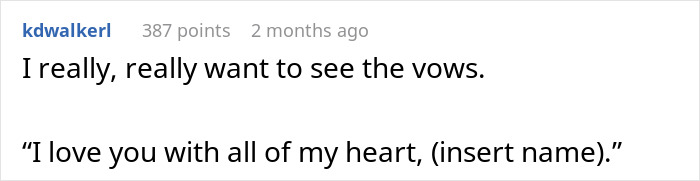
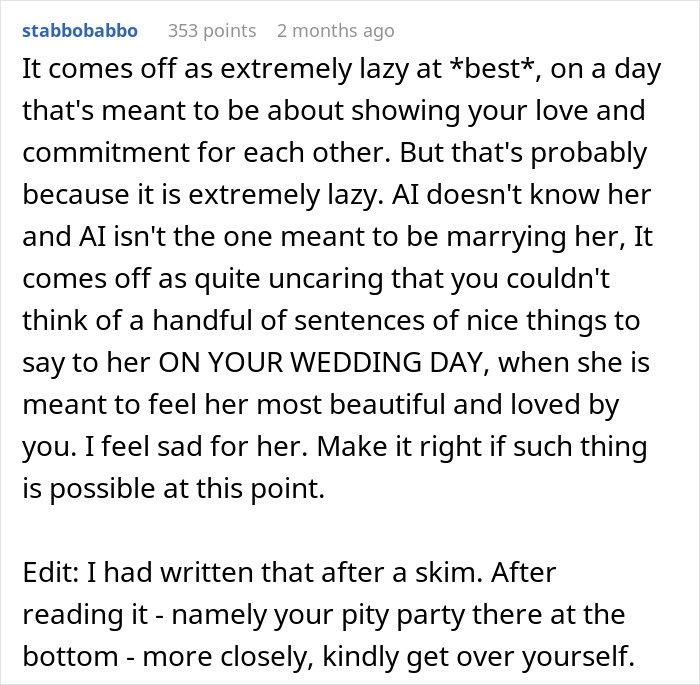
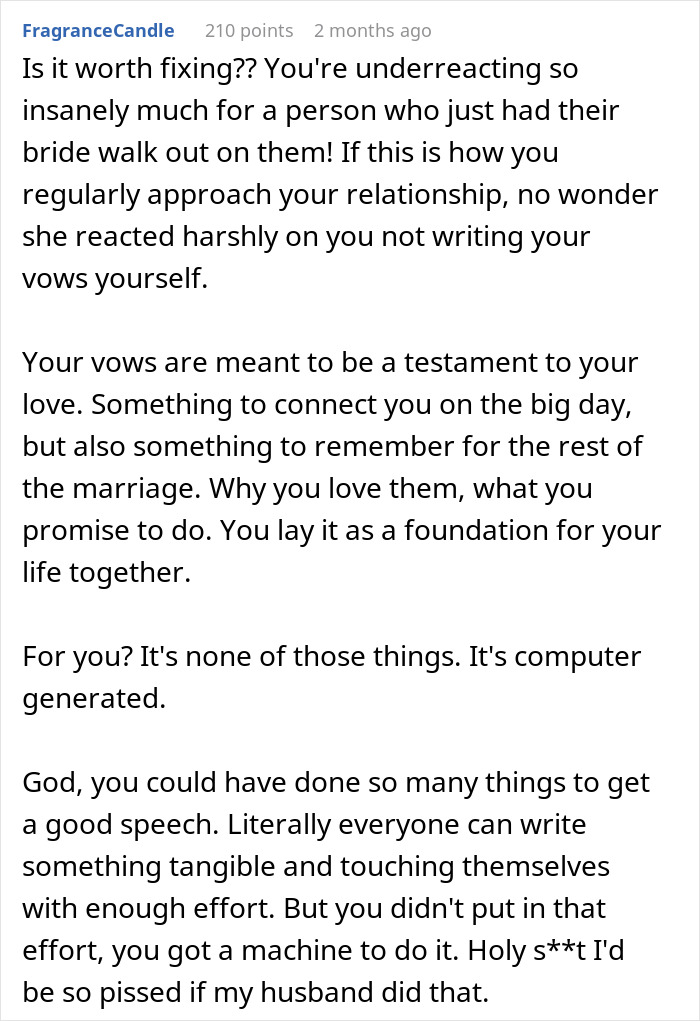
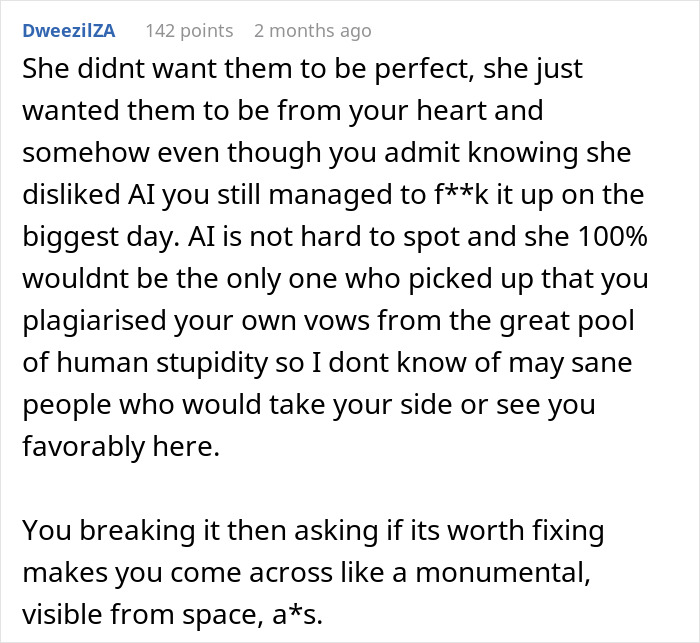
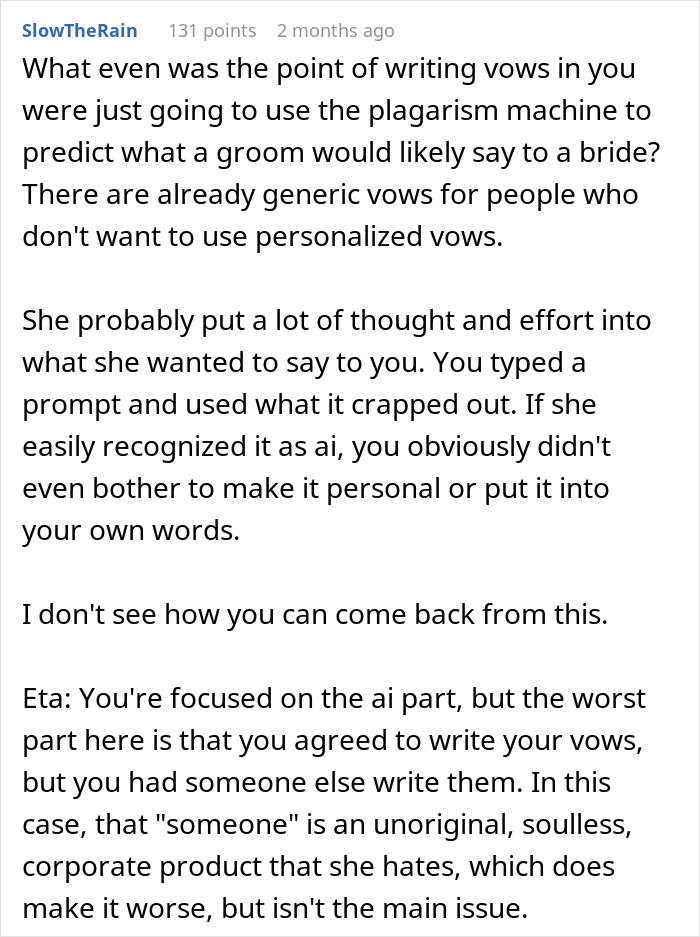
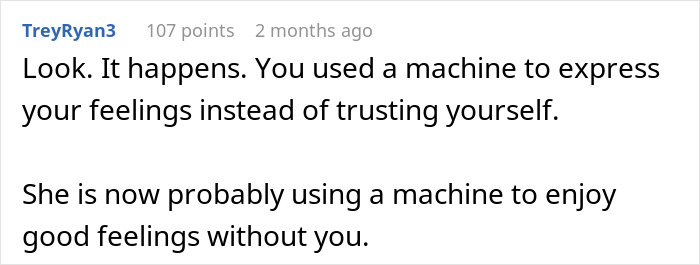
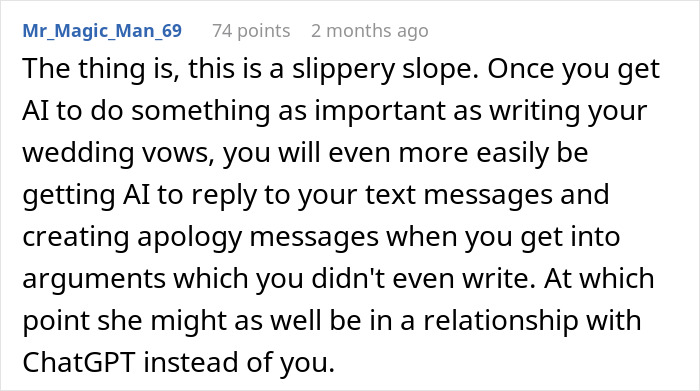

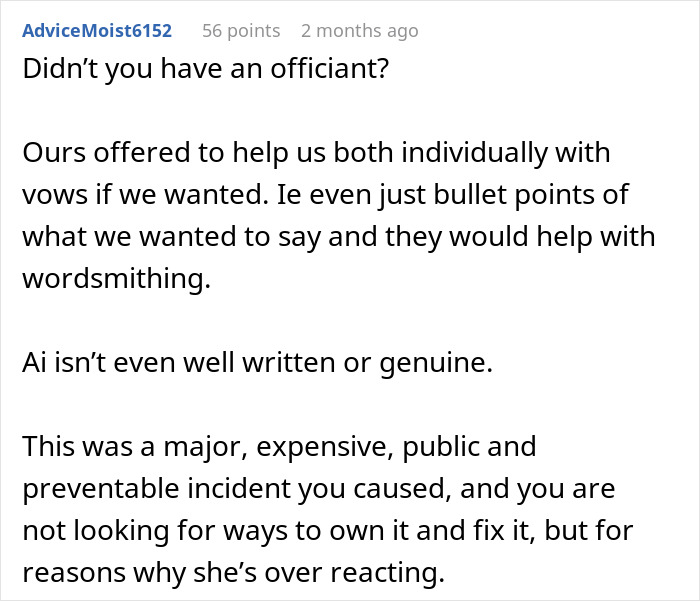
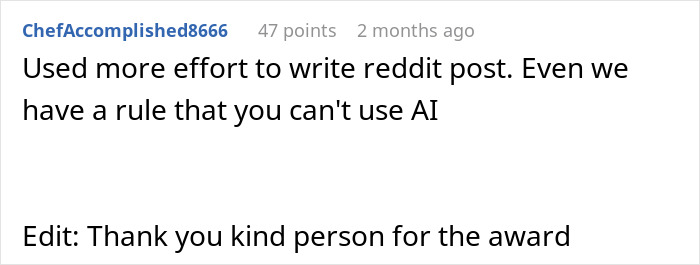
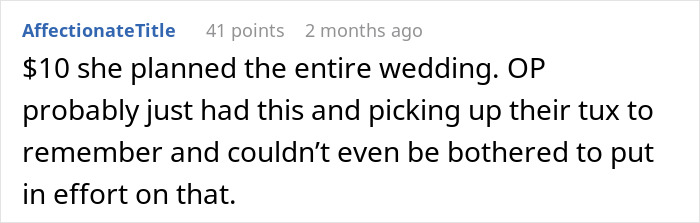
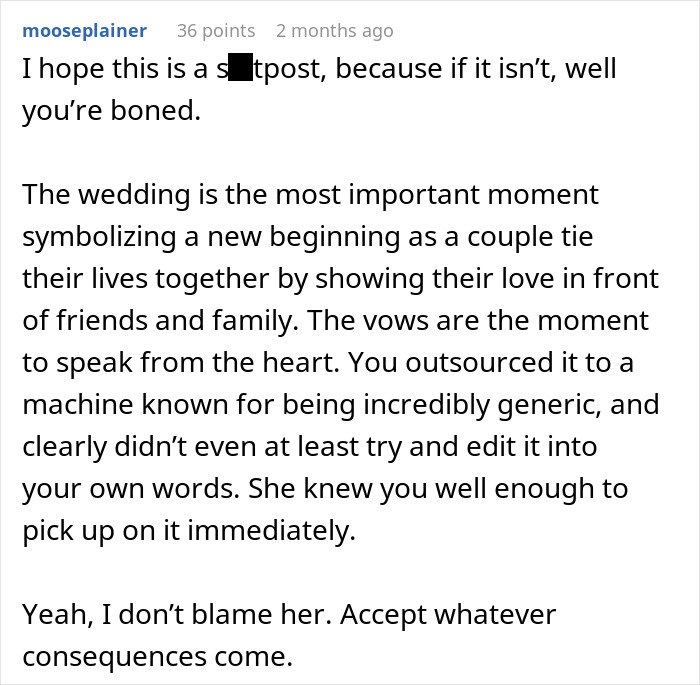
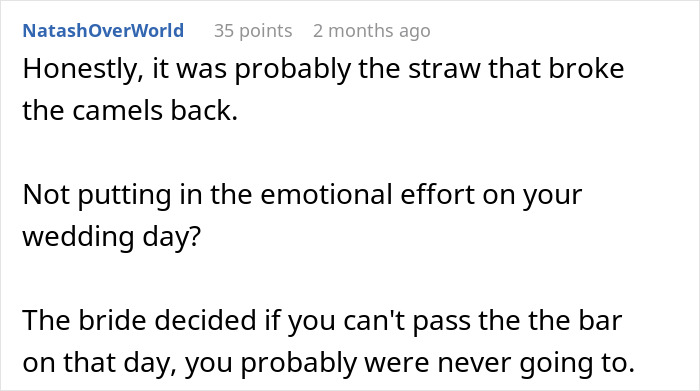

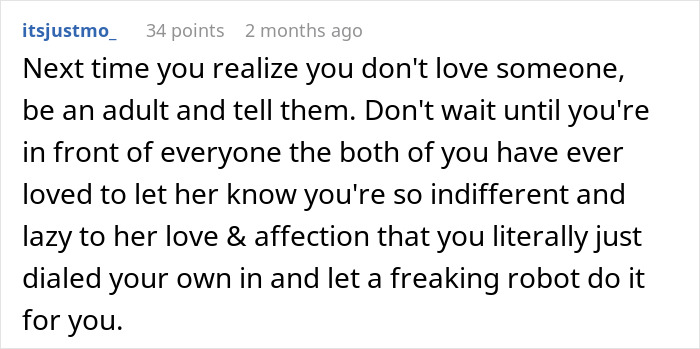
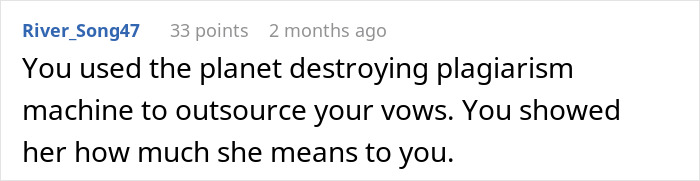
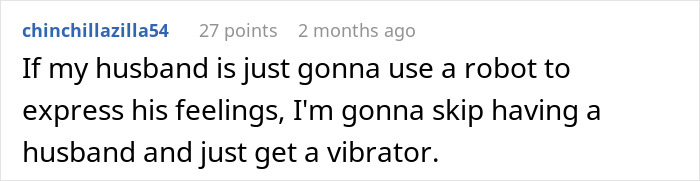
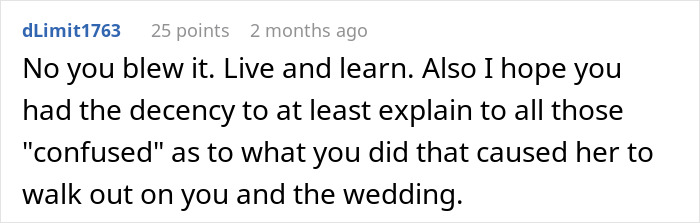
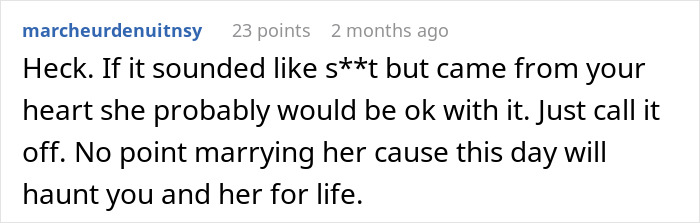
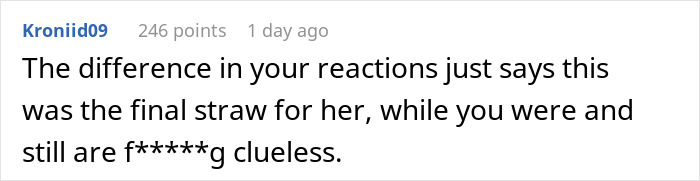
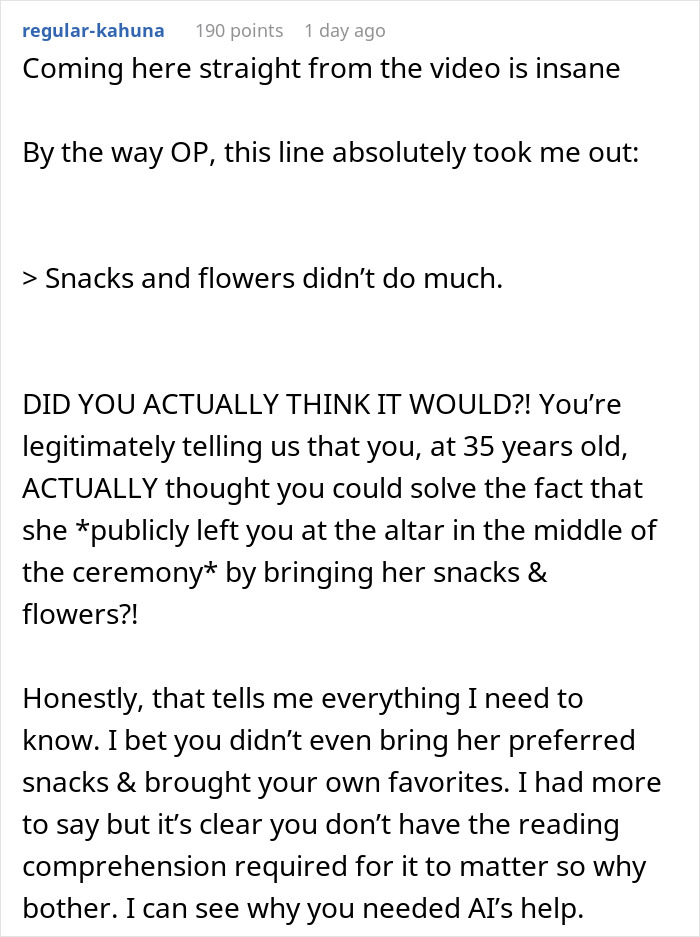
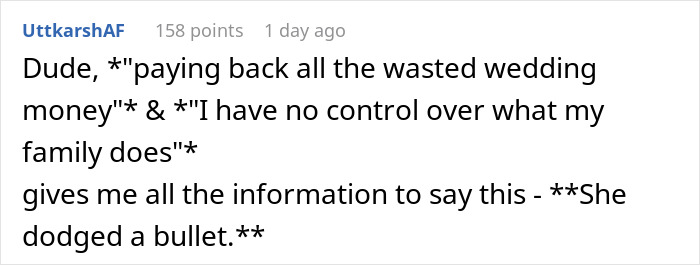
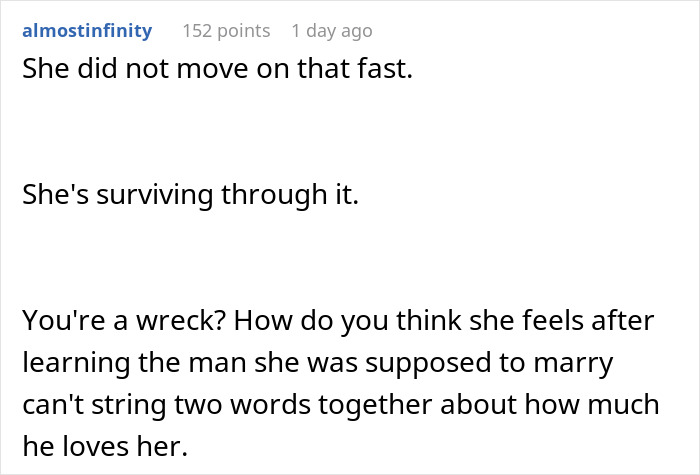
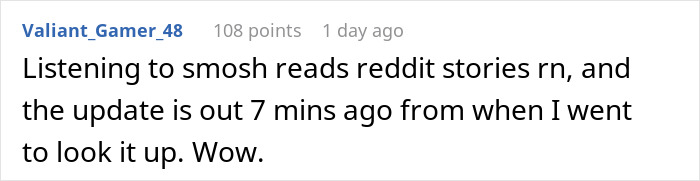
Here’s what internet users had to say after reading the follow-up to the saga