The Illusion and The Reality: When Fan Dreams Meet Human Frailty
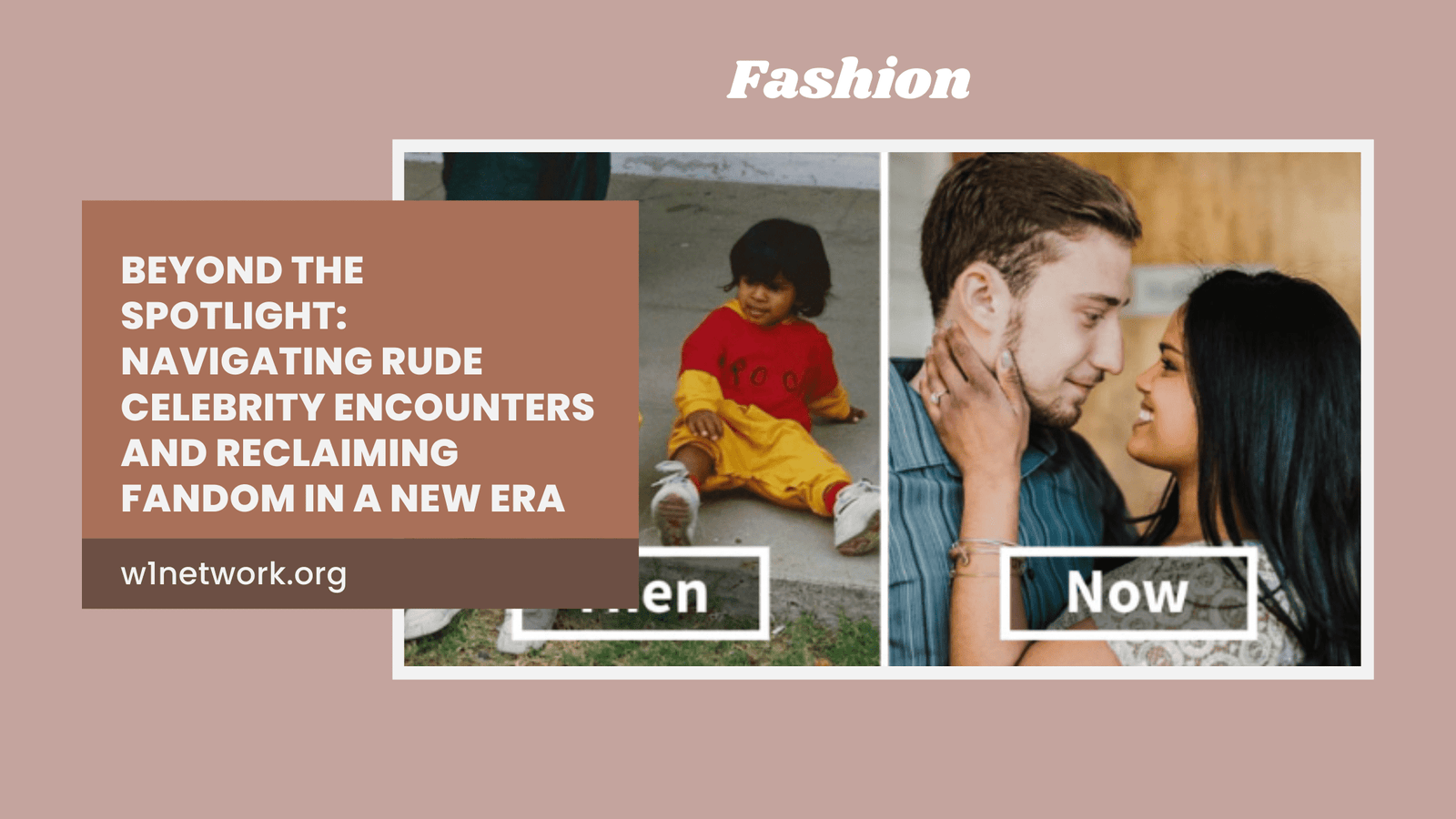
We’ve all been there spotting a famous face in a coffee shop or waiting at a stage door, heart racing with a mix of excitement and nerves. We build grand expectations around these moments, hoping for a sliver of the magic we see on screen or hear through our headphones. Yet, the unsettling truth is that a single, jarring rude celebrity encounter can shatter that illusion in seconds, leaving a lasting imprint far deeper than any autograph. While not every meeting is negative, the stories of dismissive glances, curt refusals, and outright hostility form a modern cultural ledger, challenging our perceptions of fame and fandom. This exploration isn’t about gossip; it’s about understanding the profound human disconnect that can occur in these brief, unbalanced exchanges and how we, as a society of fans, are learning to navigate this complex dynamic in 2026 and beyond.
The psychology of these encounters is deeply layered. For the fan, it’s an act of vulnerability a brave step into the space of someone they admire. For the celebrity, it can be the hundredth interruption on a bad day, a draining demand on their dwindling personal energy. We can intellectually sympathize with the pressure of constant visibility, yet that logic does little to heal the sting of personal rejection. When a star you’ve supported for years meets your enthusiasm with a sigh of irritation, it feels less like a denied request and more like a rejection of your very appreciation. This power dynamic is at the core of why these rude celebrity encounters resonate so powerfully and why they are shared so fervently across fan communities. They are raw data points in the study of human behavior under the distorting lens of fame.
Tales from the Trenches: A Glimpse into Disappointing Dynamics
The settings for these stories are as varied as the stars themselves, but patterns emerge that paint a telling picture of entitlement and thoughtlessness.
- The Demanding Diner: High-end restaurants are classic theaters for bad behavior. Tales abound of A-listers throwing fits over trivial details—the wrong color of roses on a table, a wine served at a fraction of a degree too warm—while treating staff as invisible subordinates. The act of snapping fingers for service instead of offering a polite request reveals a worldview where basic courtesy is suspended by status.
- The Hurried Hero: Casual, everyday spaces offer no immunity. A barista’s story of a famous action star holding up a silencing finger for five minutes during a phone call, only to bark an order without a “please” or “thank you,” underscores how routine courtesy can vanish. Similarly, an acclaimed actress on location dismissing a local family’s homemade gift with a curt “I don’t eat sugar” extinguishes a gesture of community goodwill in an instant.
- The Contrary Guru: Perhaps most disorienting are the encounters with figures whose brand is kindness itself. The wellness author publicly berating an airport employee, or the spiritually-focused influencer ignoring fans while preaching mindfulness, creates a severe cognitive dissonance. These celebrity fan interactions shatter the curated persona most completely, forcing fans to reconcile the message with the messenger’s behavior.
The Digital Disconnect: How Modern Media Warps Fan Access
The landscape of fandom has radically transformed with social media, creating new and often more insidious forms of disappointment. Platforms like Instagram and X (formerly Twitter) promise a direct line to our idols, but they often deliver a masterclass in managed distance.
- The Illusion of Intimacy: A celebrity’s feed might feel personal, but the reality is a brand strategy. Fans craft thoughtful comments only to see the star engage exclusively with other verified celebrities or post generic, corporate-approved responses. Heartfelt letters sent through official channels are often met with a mass-produced, pre-signed photo—a clear, cold signal that the personal sentiment was never seen, let alone valued.
- The Performance of Persona: What we see online is a highlight reel, a carefully constructed character. A star known for quirky, relatable video content can be sullen and silent in a real-world grocery store meeting. This divide between the digital avatar and the physical person makes any negative in-person celebrity interaction feel like a profound betrayal of the “friendship” the online persona cultivates.
- The New Power Dynamic: In the digital space, the power imbalance is codified. The celebrity controls the narrative, the comments, and the access. A fan’s experience can be deleted with a block or muted with a filter. This modern form of a rude celebrity encounter lacks the face-to-face sting but reinforces a systemic truth: the fanbase is often viewed as a monolithic audience to be managed, not a collection of individuals to connect with.
The Fan’s Evolution: From Idolization to Empowered Critique
So, why do we share these stories with such relentless energy? The circulation of a bad experience isn’t merely gossip; it’s a form of collective sense-making and grassroots accountability.
- Reclaiming Narrative Power: In a dynamic where celebrities hold most of the cards, sharing an honest account of poor behavior is a way for fans to reclaim a sliver of agency. It’s a public declaration that “your fame does not excuse your incivility, and we are witnesses.” The story itself becomes a consequence a permanent, searchable footnote to a star’s reputation that no publicist can fully erase.
- Community and Validation: For the individual who felt foolish or hurt, sharing their story within a fan community provides vital validation. It transforms a personal moment of shame into a shared experience, confirming that the fault lay not in their fandom but in the star’s response. This builds resilience and reshapes community norms from blind idolatry to more measured, critical support.
- The Rise of the Ethical Consumer: Modern fans, especially younger generations, increasingly view their support through an ethical lens. They don’t just consume art; they invest in the artist’s values. A pattern of rude celebrity behavior or mistreatment of staff becomes a serious mark against that star, influencing concert ticket sales, streaming choices, and brand partnerships. Fans now wield their economic and social capital as a tool for demanding better.
For the Stars: Navigating Fame with Grace in 2026
The expectation isn’t for celebrities to be performatively cheerful robots. It’s for them to retain a baseline of human decency. For those in the spotlight, managing this with grace is part of the modern job description.
- Setting Boundaries with Kindness: It is perfectly acceptable—even necessary—for public figures to set boundaries. The key is how it’s done. A simple, polite “I’m so sorry, I’m not able to stop for photos today, but I truly appreciate your support” is lightyears removed from a dismissive “Not now” or “Get a life.” One acknowledges the humanity of the fan; the other obliterates it.
- Understanding the Ripple Effect: Every interaction is a brand moment that gets recounted. Kindness to a server or patience with an excited child creates positive legends. Conversely, a moment of entitled frustration will inevitably become a viral fan story, defining that celebrity’s character for a much wider audience than the one person they encountered.
- The Integrity of Persona: For stars who build careers on messages of empowerment, kindness, or spirituality, authentic public behavior is non-negotiable. The disconnect between preached values and lived actions is the fastest way to lose core audience trust. In 2026, authenticity isn’t about sharing every detail of your life; it’s about ensuring your private conduct aligns with your public principles.
Recalibrating Our Connection to Fame
The countless anecdotes of disappointing star meetings lead us to a clear, modern conclusion: fame doesn’t build character; it exposes it. The glamour of the spotlight acts as an amplifier, magnifying the kindness that was already there or inflating a sense of entitlement to grotesque proportions. These rude celebrity encounters, therefore, are ultimately not about the fans. They are unvarnished reports on the individual behind the fame, offering us a choice.
We can choose to appreciate the art while critically assessing the artist. We can champion those who handle their privilege with humility and redirect our support away from those who consistently show contempt for the very people who enable their success. Let’s move forward not as idolaters on shaky pedestals, but as empowered appreciators who understand that the greatest measure of a star’s true worth is often found not in the glow of the red carpet, but in the simple, human decency they show in an unexpected rude celebrity encounter on a common street. The final lesson is empowering: we hold the power to decide who truly deserves our admiration.