Woman Style Guide 2025: From Old Money Chic to Grunge & Y2K Trends You’ll Love

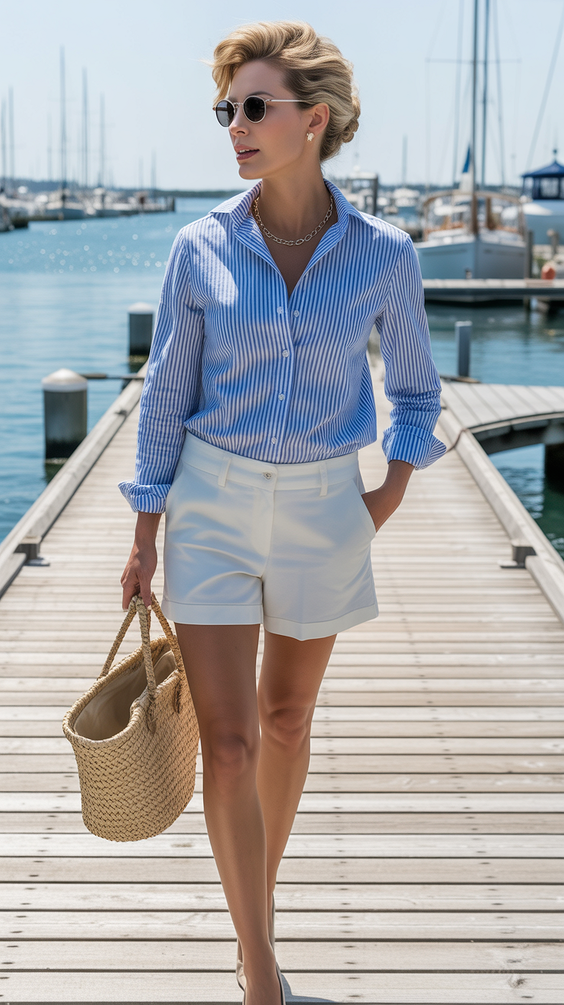
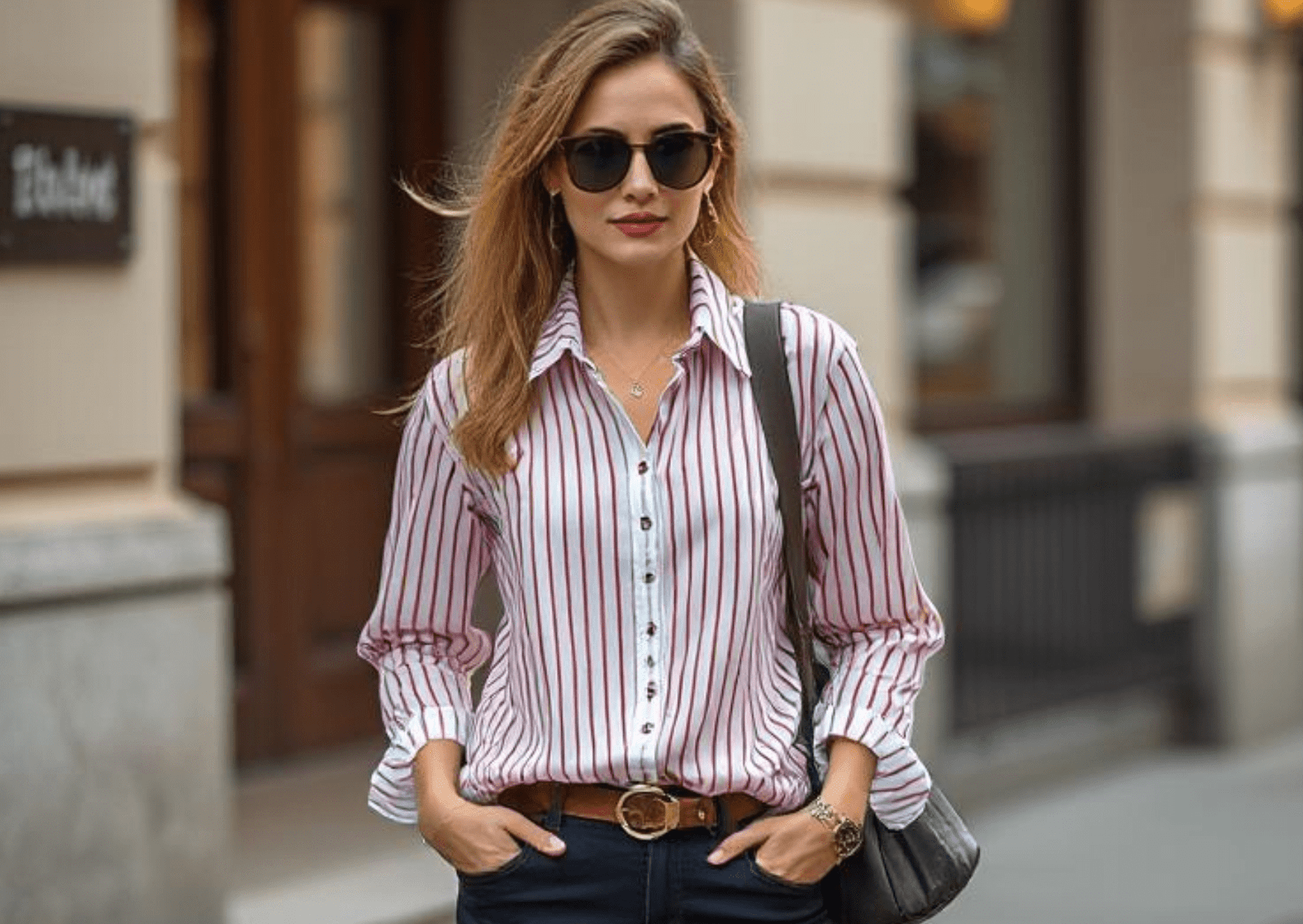
Fashion is more than just clothing; it’s a personal narrative waiting to be told, and as we look ahead, the style story of 2025 is one of exhilarating freedom. Gone are the days of rigidly following a single trend. This year, true style is about curating a look that is authentically you, masterfully blending aesthetics from different eras with confidence. Imagine the polished, quiet luxury of “Old Money Chic” not as a strict rulebook, but as a foundation upon which you can build. Picture a timeless, impeccably tailored camel coat, a staple of sophisticated elegance, being thrown over a revived Y2K-inspired mesh top or a band t-shirt straight from the 90s grunge scene. This is the new style alchemy where high and low, classic and rebellious, seamlessly merge to create something uniquely personal and powerfully modern. It’s a celebration of individuality where the only true rule is to express yourself with intention.

Consider the real-life example of a young professional preparing for a weekend brunch with friends. She wants to feel both comfortable and chic, relatable yet put-together. She starts with the core of “Old Money” simplicity: a high-quality, navy blue cashmere crewneck and well-fitted, dark wash jeans. This foundation is effortlessly elegant. Then, she injects a dose of personality by layering with a silver link necklace reminiscent of Y2K’s love for metallics and throwing a flannel shirt around her waist, a direct nod to the utilitarian grunge trend. The final touch? A pair of classic white sneakers that tie the whole look together. This outfit isn’t about one trend; it’s a conversation between them, proving that 2025 style is about being the curator of your own wardrobe gallery.

There’s a short story of a woman named Clara, who inherited her grandmother’s pristine, pearl-buttoned cardigan. For years, it sat in her closet, feeling too delicate and dated for her modern life. The swirling trends of 2025 gave her a new perspective. One day, she paired the elegant, vintage cardigan not with a string of pearls, but with a faded, graphic Nirvana t-shirt from a thrift store, black leather pants, and chunky platform boots. The result was breathtaking. The soft, classic knit created a stunning contrast against the edgy, grunge-inspired pieces, making both elements feel fresh and intentional. She received compliments all day, not for following a trend, but for creating a style that was entirely her own, weaving a piece of her family’s history into the fabric of the present.

The single best tip for navigating the diverse landscape of 2025 trends is to invest in timeless, high-quality foundational pieces and use trends as accessories. Instead of overhauling your entire wardrobe every season, focus on building a core collection of versatile items. A perfect blazer, a great pair of straight-leg jeans, a simple silk slip dress, and classic leather loafers are the workhorses of your closet. Once this foundation is solid, you can introduce the “flavors” of the year be it a chunky platform sandal from the Y2K revival, a plaid flannel shirt tied from the grunge era, or a sleek, minimalist bag that screams quiet luxury. This approach is not only more sustainable for the planet and your wallet, but it also ensures your style remains cohesive and authentic, rather than looking like a head-to-toe costume.

In summary, the woman’s style guide for 2025 is an invitation to embrace sartorial freedom. It champions a personalized mix of the enduring elegance found in “Old Money Chic,” the raw, rebellious energy of Grunge, and the playful, futuristic nostalgia of Y2K trends. The key takeaway is that you are in the designer’s seat. By starting with a foundation of classic, versatile pieces and fearlessly layering in trend-driven elements that spark joy, you can create a wardrobe that is not only fashion-forward but also a genuine reflection of your multifaceted life and personality. This year, your style is your signature make it bold, make it mixed, and make it unmistakably you.

Woman Style: The Power of Personal Expression in 2025

In 2025, woman style has evolved into something far more profound than just the clothes we wear; it has become a dynamic language of personal expression, a daily affirmation of identity, confidence, and authenticity. We are moving beyond fast fashion’s fleeting trends and into an era of intentional adornment, where every garment tells a story about our values, our moods, and our place in the world. Style is no longer about fitting into a prescribed aesthetic but about curating a visual narrative that is uniquely and unapologetically our own. This power to define ourselves through our choices is a transformative tool for self-connection and projecting our inner truth outward, making personal style one of the most accessible and potent forms of art and communication available to us today.

Consider the real-life example of Maria, a software engineer from Austin. For years, her work wardrobe consisted of a uniform of anonymous black trousers and simple tops, feeling it was what was expected in her field. In 2024, she began to experiment, integrating a single statement piece into her daily outfits a vintage embroidered jacket, a pair of bold geometric earrings, or a scarf printed with architectural patterns. This small shift did more than just change her look; it changed how she carried herself. Colleagues began to comment on her creativity, and she found herself speaking up more confidently in meetings. Her style became a bridge, allowing her vibrant, analytical personality to shine through, proving that what we wear can directly influence how we are perceived and, more importantly, how we perceive ourselves.

Imagine a short story of a woman named Chloe, who inherited a trunk of her grandmother’s clothes. At first, they were just nostalgic artifacts, but one day, she paired her grandmother’s classic, high-waisted tweed trousers with a modern, sleek black turtleneck and chunky athletic sneakers. The fusion of timeless elegance with contemporary edge wasn’t just a fashion moment; it was an emotional one. Walking through the city, she felt a profound connection to her family’s past while standing firmly in her own present. Her style became a living homage, a unique blend of two generations. This act of sartorial storytelling made her feel grounded and distinctive, illustrating that the most powerful styles are often those woven with personal history and reinvented for the now.

The best tip for harnessing the power of your style in 2025 is to become your own curator. Instead of chasing every trend, take time to audit your closet and identify the pieces that genuinely make you feel powerful, joyful, and comfortable. Build a core wardrobe of these “hero” items. Then, practice the art of intentional addition. Before acquiring anything new, ask: “Does this align with my personal aesthetic? Does it serve a purpose in my life? Does it bring me genuine excitement?” This mindful approach shifts style from reactive consumption to creative self-expression. It reduces clutter, saves resources, and ensures that every item you own and wear is a deliberate part of your story, making getting dressed a daily act of empowerment rather than a chore.

In summary, the landscape of woman style in 2025 is a celebration of the individual. It has transcended the superficial to become a vital tool for self-discovery and communication. Through real-life examples like Maria’s empowered transformation and the short story of Chloe’s generational connection, we see that style is a powerful conduit for confidence and narrative. By adopting the practice of mindful curation, we can all harness this power. Ultimately, your style is your signature a unique, ever-evolving testament to who you are, who you were, and who you are becoming. It is the most personal gallery you will ever create, and in this new era, every woman is both the artist and the masterpiece.

Old Money Style: Classic Elegance Every Woman Can Master

In a world where trends come and go with the season, there is a profound and enduring style that speaks not to what is fashionable, but to what is truly elegant. This is the essence of old money style, a look built not on logos or fleeting fads, but on a foundation of timeless quality, impeccable fit, and quiet self-assurance. It is a philosophy of dressing that any woman can master, focusing on the art of looking polished and put-together through classic, investment-worthy pieces. This approach to style is less about the price tag and more about a cultivated eye for what is inherently beautiful and enduring. It champions the perfectly tailored blazer, the luxurious feel of a cashmere sweater, the simple elegance of a pearl necklace, and the timeless appeal of a well-cut pair of trousers. Mastering this style is about building a versatile wardrobe where every item works in harmony, creating a silhouette of classic elegance that never shouts, but always makes a powerful and sophisticated statement.

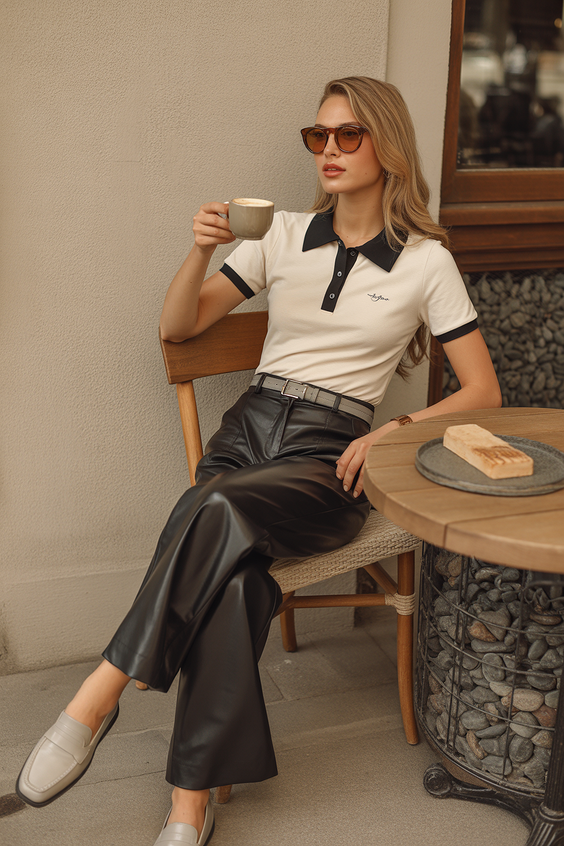
Consider the real-life example of a woman attending an important afternoon meeting. Instead of reaching for a bold, trendy outfit that might distract, she chooses a uniform of quiet luxury. She wears a crisp, white cotton button-down shirt, its fabric thick and durable, tucked into a pair of straight-leg trousers that are tailored to her exact length. On her feet are simple but beautifully maintained leather loafers, and her only jewelry is a pair of small gold studs and a delicate watch passed down from her grandmother. Her look doesn’t scream for attention, but it commands respect. People notice her poise and confidence first, not her clothes. This is the power of old money style in action; it creates an aura of capability and refinement that is far more impactful than any loud pattern or designer label could ever be.

There is a short story of a young woman named Clara who inherited not a fortune, but her mother’s wisdom about style. Her mother had a modest wardrobe, but each piece was chosen with care a wool coat that held its shape for a decade, a silk blouse that felt like a second skin, a single strand of real pearls. She told Clara, “Invest in the fabric, the stitch, and the fit, and you will always look and feel like the most valuable person in the room.” Clara took this to heart. She started her own career with a few key, high-quality items rather than a closet full of disposable fashion. At a company event, while others were in trendy, uncomfortable outfits, Clara wore a simple, elegant sheath dress and a classic trench coat. She was approached by a senior executive who commented on her polished appearance, noting that it reflected a professional and trustworthy demeanor. That conversation led to a mentorship, proving that the quiet confidence of classic style can open doors that loud fashion cannot.

The single best tip for mastering this aesthetic is to prioritize phenomenal fit above all else. A garment can be made from the most expensive fabric in the world, but if it does not fit you perfectly, it will lack the effortless elegance that defines old money style. This often means building a relationship with a good tailor. Be prepared to buy a blazer that fits your shoulders perfectly and have the sleeves shortened, or to purchase a dress that you love and have it taken in at the waist. Look for pieces that skim your body rather than cling to it, creating a clean and streamlined silhouette. When your clothes fit as though they were made for you and in the case of tailored items, they essentially are you elevate your entire appearance instantly. This attention to detail is the secret handshake of timeless style, transforming off-the-rack clothing into a personalized uniform of elegance.

In summary, old money style is far more than a fashion choice; it is a long-term strategy for cultivating a personal aesthetic defined by grace, quality, and quiet confidence. It moves away from the noise of seasonal trends and instead focuses on building a curated collection of timeless, versatile, and impeccably fitting pieces. From the real-life power of a simple, well-tailored outfit to the foundational wisdom of investing in quality over quantity, this approach to style is accessible to every woman. It teaches us that true elegance is not about being the most decorated person in the room, but about being the most composed and self-assured. By embracing classic lines, luxurious natural fabrics, and, most importantly, perfect fit, any woman can master a style that is not only enduringly chic but also authentically and powerfully her own.

Grunge Style: The Rebellious Edge Making a Comeback

Grunge style, born from the raw energy of the Seattle music scene in the early 1990s, is shaking off the dust and finding its way back into modern wardrobes across the United States. This isn’t about a strict uniform, but rather a feeling an attitude of effortless, rebellious cool that prioritizes personal expression over polished perfection. The core of this style lies in its deliberate imperfection, mixing textures, layers, and a muted, earthy color palette to create a look that is both introspective and powerfully authentic. It’s a style that speaks to a desire for substance, for fashion that feels lived-in and real rather than manufactured and fleeting, making it a profoundly relevant mode of dress today.

Consider a real-life example you might see in any major American city: a young professional in Chicago is heading to a weekend brunch. Instead of a crisp, fitted outfit, she embodies the modern grunge revival with a worn-in, plaid flannel shirt tied loosely around her waist over a faded band t-shirt. Her jeans are ripped, not by a machine for fashion’s sake, but naturally from years of wear, and she completes the look with a pair of sturdy, scuffed combat boots. This ensemble isn’t sloppy; it’s a carefully curated expression of individuality and comfort. It tells a story of practicality with an edge, a rejection of the pressure to always look pristine, and an embrace of a more relaxed, self-assured identity.

Imagine a short story of a woman named Maya, who recently moved to Brooklyn. Feeling overwhelmed by the constant pressure to keep up with fast-fashion trends, she found herself emotionally and financially drained. One rainy afternoon, she pulled on her oldest, softest pair of ripped jeans, a vintage Soundgarden t-shirt she’d had since high school, and her trusted leather jacket. As she walked through her neighborhood, she felt a sense of relief and empowerment she hadn’t felt in years. She wasn’t wearing a costume; she was wearing a piece of her own history. This rediscovery of her grunge roots wasn’t just about clothing it was a act of reclaiming her identity, a sartorial deep breath that allowed her to face the city on her own authentic terms.

The best tip for embracing grunge style today is to focus on texture and layering rather than trying to replicate a specific 90s look. Start with high-quality basics that have character a well-made band t-shirt, a thick flannel shirt, or raw denim jeans. The magic happens when you combine these elements. Layer a slip dress over a t-shirt, toss a chunky knit cardigan over a thermal top, or mix a delicate lace top with a ripped, distressed denim jacket. Don’t be afraid of “worn” elements; a little bit of fraying or a subtle stain can add to the authenticity. The goal is to build an outfit that looks collected over time, not purchased in a single shopping trip, creating a narrative of personal history and rugged individuality.

In summary, the comeback of grunge style is a testament to its enduring power as a symbol of rebellion and authenticity. It is a style that champions individuality over conformity and comfort over constriction, resonating deeply with those who seek substance in their self-expression. By mixing layered textures, embracing a somber color palette, and prioritizing well-worn, meaningful pieces, anyone can tap into this iconic aesthetic. Ultimately, modern grunge is less about the music it came from and more about the mindset it inspires: one of confident, unapologetic self-possession in a world often focused on the superficial.

Fashion is a revolving door, and in 2025, it has spun right back to the iconic and often debated era of Y2K style. This isn’t about a stale costume party; it’s a refined revival, where the audacious spirit of the early 2000s is being reinterpreted with a modern, sophisticated edge. The key to nailing this trend today lies not in head-to-toe replication but in selective styling. Instead of the low-rise jeans and exposed thongs that defined the original era, we’re seeing a focus on playful elements like shimmering metallics, butterfly motifs, and statement denim, but balanced with sleek, contemporary pieces. The style is less about the literal pieces and more about embracing a feeling of optimistic self-expression and digital-age nostalgia, proving that this once-futuristic aesthetic has found its perfect moment in today’s culture.

A perfect real-life example of this trend in action can be seen on the streets of New York and Los Angeles, where fashion influencers are masterfully blending vintage with modern. It’s no longer uncommon to see someone pairing a sleek, minimalist blazer with a vintage, bedazzled Von Dutch hat. Or, consider the resurgence of the once-ubiquitous whale tail; today, it’s subtly hinted at with a high-waisted pant and a luxury logo belt that dips just low enough to be a nod to the trend without being overt. Major retailers and high-fashion houses have taken note, with brands like Coperni and Blumarie sending crystal-embellished tops and low-rise cargo pants down the runway, which are now flying off the shelves at stores like Aritzia and Revolve, solidifying Y2K’s firm grip on 2025 style.

Imagine a young woman named Chloe, cleaning out her childhood closet at her parents’ house. Buried in the back, she finds a box of her old clothes from middle school. Instead of cringing, she pulls out a perfectly preserved, baby pink velour tracksuit. On a whim, she pairs the fitted jacket not with the matching low-rise pants, but with high-waisted, wide-leg denim and chunky white sneakers. She adds a simple white tank top and her favorite modern gold jewelry. When she steps out, she’s met with a flood of compliments, not for a costume, but for a chic and intentionally styled outfit. That single tracksuit jacket, once a relic of her past, becomes the most versatile and conversation-starting piece in her 2025 wardrobe, bridging two decades with effortless style.

The best tip for embracing the Y2K revival is to balance one statement piece with modern neutrals. The original era was known for its maximalism, but the 2025 interpretation is all about conscious curation. If you want to wear those low-slung, embellished jeans, anchor them with a simple, high-quality ribbed tank top and structured blazer. If you’re diving into a metallic mini skirt, pair it with a thick, cozy knit sweater and sleek ankle boots. This “one and done” approach prevents your look from feeling like a time capsule and instead makes it feel fresh, intentional, and uniquely yours. It’s about capturing the fun and fearlessness of the early 2000s without succumbing to its every stylistic excess.

In summary, the triumphant return of Y2K style in 2025 is a testament to fashion’s cyclical nature and our collective yearning for optimistic, playful self-expression. This isn’t a mere copy-and-paste of trends from two decades ago; it is a thoughtful and refined reinvention. By taking key elements like velour, denim, metallics, and logos and integrating them with the clean lines and sophisticated silhouettes of today’s fashion, we create a look that is both nostalgic and decidedly modern. The Y2K style has been granted a second life, offering a chance to rediscover the joy in getting dressed and to rule the trends of 2025 with confidence and a touch of retro flair.

Retro Style Revival: Vintage Pieces That Never Go Out of Fashion

In the ever-changing world of fashion, where trends flicker and fade with the seasons, a truly enduring style is not about what’s new, but what has proven its worth. The revival of retro style is a powerful testament to this idea, reminding us that the most compelling fashion statements are often rooted in the past. Embracing vintage pieces is more than just a trend; it’s a sustainable and sophisticated approach to building a timeless wardrobe. It’s about understanding that great style is a narrative, and by incorporating these classic elements, we connect our personal story to a richer, broader history of design. The key is not to dress in a costume, but to curate a look that feels both nostalgic and freshly personal, proving that true style is eternal.

Consider the real-life example of a classic trench coat. This isn’t merely a piece of outerwear; it’s a narrative of resilience and elegance that has traversed decades. Picture a woman navigating the bustling streets of New York City, her beige trench coat cinched at the waist. This same silhouette was iconic on silver screen legends like Audrey Hepburn and continues to be a cornerstone of sophisticated style today. It demonstrates how a single, well-designed vintage piece can transcend its era. The trench coat doesn’t shout for attention; it commands respect through its flawless cut and timeless functionality, offering a polished look that is perpetually relevant, rain or shine.

There is a short story of a young woman who discovered a delicate, pearl-buttoned cardigan at a local thrift store. It was nestled between loud, dated garments, its subtle cashmere softness whispering of a different time. Intrigued, she took it home, pairing it not with a vintage skirt, but with her modern, dark-wash jeans and crisp white sneakers. The effect was instantaneous and magical. The vintage cardigan added a layer of unique, intellectual charm that a brand-new sweater could never replicate. It became her favorite piece, not because it was old, but because it held a story and gave her a signature style that felt entirely her own, a perfect bridge between yesterday and today.

The best tip for mastering retro style is to embrace the power of integration, not replication. The goal is to look stylishly nostalgic, not like you’ve stepped out of a time machine. Avoid head-to-toe vintage, which can feel costumey. Instead, anchor your outfit with one or two standout vintage pieces and build the rest of your look with modern basics. Pair a vintage floral midi skirt with a simple black turtleneck and ankle boots. Or, wear your grandmother’s statement necklace with a contemporary little black dress and a sleek blazer. This balancing act allows the vintage item to shine as a focal point while keeping your overall appearance modern, accessible, and effortlessly chic.

In summary, the retro style revival teaches us that fashion is cyclical, but true style is permanent. By looking to the past, we can build a more unique, sustainable, and personally expressive wardrobe. The essence of this approach lies in selecting high-quality vintage pieces like a timeless trench coat or a delicate vintage cardigan and thoughtfully integrating them with contemporary clothing. This method creates a look that is both classic and current, telling a story that is uniquely yours. Ultimately, embracing vintage is a celebration of enduring design, proving that the most fashionable thing you can wear is confidence rooted in pieces that have gracefully stood the test of time.

Acubi Style: Minimalist Korean Aesthetic for Modern Women

In a world saturated with fast fashion and ever-changing trends, the Acubi style emerges as a breath of fresh, minimalist air. This Korean aesthetic goes beyond mere clothing to become a philosophy of intentional living, championing a curated wardrobe built on neutral color palettes, architectural silhouettes, and a distinct sense of effortless cool. The core of Acubi style isn’t about having a closet overflowing with options; it’s about owning fewer, high-quality pieces that are deeply considered, versatile, and expressive of a modern, confident sensibility. It’s a style that values subtlety and detail, where a single, well-placed seam or the drape of a unique fabric becomes the focal point, allowing a woman’s innate elegance to shine through without the noise of loud logos or fleeting fads.

Consider the real-life example of Sarah, a graphic designer from Seattle. Her mornings were once frantic, filled with the stress of choosing an outfit from a chaotic closet of impulse buys that never quite worked together. After discovering Acubi principles, she meticulously edited her wardrobe down to a cohesive collection of blacks, whites, beiges, and grays. She invested in a few key items: a perfectly tailored black blazer, a pair of wide-leg trousers, and a few high-quality knit tops with interesting textures. Now, getting dressed is a moment of calm. Every piece mixes and matches seamlessly, and her personal style sophisticated, creative, and assured is consistently communicated without a single word. She feels more put-together and empowered, not by having more, but by having exactly what she needs.

Imagine a young woman named Chloe, who felt lost in her own wardrobe, her identity muffled by the sheer volume of clothes she never wore. One afternoon, she stumbled upon a photo of a Seoul-based artist whose style was the epitome of Acubi clean, structured, and profoundly calm. Inspired, Chloe embarked on a personal project. She emptied her closet, keeping only the items that made her feel truly powerful and authentic. She saved for a single, sculptural Acubi-style jacket in a muted oatmeal tone. The first day she wore it, paired with her existing black jeans and a simple tank, she received more compliments than ever before. But more importantly, she felt a new sense of clarity and self-assurance. The jacket wasn’t just a piece of clothing; it was a symbol of her decision to choose intention over impulse, defining her style on her own terms.

The single most transformative tip for embracing the Acubi aesthetic is to master the art of the edit. Before you even think about buying anything new, dedicate time to ruthlessly declutter your current wardrobe. Take every single item out and be brutally honest. If it doesn’t fit perfectly, if it doesn’t bring you joy, or if it doesn’t align with the minimalist, cohesive vision you’re building, let it go. This process of subtraction is more powerful than any purchase. It clears the visual and mental clutter, allowing you to see the versatile gems you already own and identify the specific, intentional gaps that a true Acubi-inspired piece could fill. This foundational step shifts your entire relationship with fashion from one of consumption to one of curation.

In summary, the Acubi style offers a modern solution to sartorial overwhelm by championing a minimalist, Korean-inspired approach to dressing. It is a philosophy that prioritizes intentionality, quality, and cohesive self-expression over quantity and fleeting trends. By focusing on a neutral palette, architectural shapes, and versatile staples, this aesthetic empowers women to build a wardrobe that is both deeply personal and effortlessly sophisticated. Embracing Acubi is about finding clarity and confidence through curation, proving that true style isn’t about having a lot of clothes, but about having the right ones. It’s a mindful journey towards defining and refining your personal elegance, one considered piece at a time.

Gangnam Style: Seoul’s High-End Fashion Vibe Explained

The phenomenon of Gangnam Style is far more than a catchy tune from a bygone decade; it is a living, breathing ethos that defines how Seoul carries itself on the global stage. This district is the pulsating heart of South Korea’s ambitious fashion scene, a place where style is not merely about the clothes you wear but a complete expression of success, polish, and forward-thinking energy. The Gangnam style vibe is built on a foundation of impeccable tailoring, luxury labels worn with effortless confidence, and a sharp, modern aesthetic that values quality and precision over fleeting trends. It’s a look that whispers “discerning” rather than shouting “expensive,” mastering the art of curated sophistication that feels both powerful and elegant. For anyone looking to understand high-impact personal presentation, decoding the principles of this unique fashion ecosystem offers a masterclass in building a wardrobe that commands respect and exudes a quiet, undeniable authority.

To see the real-life power of this aesthetic, look no further than a young professional in Manhattan preparing for a pivotal client meeting. She bypasses the loud, logo-heavy pieces in her closet and instead reaches for a perfectly structured blazer, a sleek pair of tailored trousers, and minimalist leather loafers. Her makeup is flawless but neutral, and her hair is sharply cut every detail is intentional. This is Gangnam style in action, translated for an American context. It’s the understanding that in competitive environments, your style is the first part of your argument. It communicates competence, attention to detail, and a modern sensibility before you even speak a word, giving you an immediate edge and a platform of credibility.

Consider the short story of Ji-hyun, a graphic designer from a smaller city in Korea who moved to Seoul with big dreams. Her first few interviews were unsuccessful; her creative but slightly disheveled outfits didn’t resonate. After observing the powerful women in Gangnam’s chic cafes and corporate lobbies, she invested in a single, well-cut black dress and a quality handbag. It wasn’t about losing her identity, but about understanding the visual language of the city she wanted to conquer. At her very next interview, the panel’s demeanor was different; they engaged with her portfolio more seriously, seeing her as someone who understood the business of design, not just the art. She got the job, learning that sometimes, style is the key that unlocks the door.

The single best tip to capture the Gangnam vibe is to master the power of a neutral color palette. Build the foundation of your wardrobe around sophisticated blacks, navys, creams, taupes, and grays. This isn’t about being boring; it’s about creating a versatile canvas that looks inherently expensive and cohesive. When your core pieces are in harmonious, neutral tones, getting dressed becomes effortless. Every item mixes and matches seamlessly, and your overall silhouette appears longer and leaner. This approach allows for statement accessories or one brilliant pop of color to truly stand out, ensuring your style always looks intentional, polished, and powerfully chic without requiring a constant stream of new purchases.

In summary, the enduring lesson of Gangnam Style is that true fashion influence lies in a mindset of refined confidence and meticulous curation. It moves beyond the temporary thrill of a trend to embrace a philosophy where style is a strategic tool. By prioritizing impeccable fit, a sophisticated neutral foundation, and an overall presentation of polished modernity, you adopt a look that transcends seasons and geography. This is the secret to building a personal brand through your wardrobe a style that is both timeless and powerfully relevant, communicating your ambition and taste to the world without a single word being spoken.

New York Style Pizza vs. New York Street Fashion: What’s the Connection?

In the heart of New York City, two iconic forces dominate the landscape: the irresistible allure of a classic New York slice and the ever-evolving, bold statement of New York street fashion. While one satisfies a physical craving and the other an expressive one, they are deeply connected by a shared, uncompromising style. This style isn’t about being delicate or trying to please everyone; it’s about authenticity, confidence, and a certain gritty elegance that is instantly recognizable. Just as a New York-style pizza is characterized by its thin, foldable crust, minimalist yet high-quality toppings, and its “no-frills” attitude, New York street fashion is built on a foundation of practical individuality, mixing luxury with vintage finds, athletic wear with high fashion, all while projecting an air of effortless cool. Both are born from the city’s fast-paced, melting-pot environment, demanding to be experienced on the go without sacrificing an ounce of their powerful identity.

Consider the real-life example of a slice shop in SoHo. You’ll see a line out the door, filled with people from all walks of life. A construction worker stands next to a gallery artist, both enjoying the same perfect slice of pizza a great equalizer in its delicious simplicity. Step outside, and you witness the same democratic blend in fashion. That construction worker’s rugged boots and durable cargos hold the same functional authenticity as the artist’s carefully curated thrifted coat and statement accessories. They are both participating in a cultural moment where the value is placed not on pretense, but on genuine, high-quality style that works for the individual. The pizza and the outfits are both accessible yet iconic, reflecting a city that prizes realness over rehearsal.

There’s a short story of a young designer named Maria who just moved to Brooklyn. Feeling overwhelmed, she found comfort in a daily ritual: a slice of pizza from a corner spot. One afternoon, as she folded her slice, she watched the crowd pass by. She noticed how a woman expertly navigated the crowded sidewalk in sleek sneakers and a tailored blazer a practical yet powerful look. In that moment, Maria had an epiphany. The pizza was foldable by design, a perfect solution for a city in motion. The woman’s outfit was the sartorial equivalent: stylish yet perfectly adapted for her environment. Maria’s next collection was inspired by this concept, featuring elegant, versatile pieces with a utilitarian edge, mirroring the same “fold and go” philosophy of her favorite food. She realized that true New York style, in food and fashion, is about intelligent design that serves a purpose.

The best tip for capturing this essence in your own life is to embrace the philosophy of “less is more” with a focus on impact. In the kitchen, this means using fewer, but higher-quality ingredients for your homemade pizza a great San Marzano tomato sauce, fresh mozzarella, and a perfectly chewy crust. In your wardrobe, it means curating a collection of foundational, well-made pieces a perfect leather jacket, a great pair of jeans, statement boots that you can mix and match with confidence. Don’t over-accessorize your pizza with unnecessary toppings, and don’t over-complicate your outfit with fleeting trends. Invest in the foundational elements that exemplify your personal style, allowing your authentic self to be the main attraction, just like the classic, unadulterated New York slice.

In summary, the vibrant connection between New York-style pizza and New York street fashion is a testament to the city’s soul. Both are cultural pillars built on a foundation of uncompromising style that values authenticity, practicality, and bold simplicity. The foldable pizza slice and the effortlessly cool street-style look are two sides of the same coin, each designed for a life in motion and each reflecting a confident, no-nonsense attitude. They prove that whether you’re eating or dressing, the most powerful statement often comes from a place of pure, unadulterated self-expression, perfected under the unique pressures and inspirations of New York City.

Chicago Style Citation Meets Chicago Streetwear: A Creative Twist

In the vibrant intersection of academic rigor and urban fashion, a unique trend is emerging: Chicago Style Citation meets Chicago streetwear. This creative fusion is more than a coincidence; it’s a testament to how structure and self-expression can coexist. Just as the Chicago Manual of Style provides a definitive framework for writers and researchers, the city’s streetwear scene offers a structured canvas for personal identity through its staple pieces the crisp white tee, the perfectly fitted hoodie, and the classic bomber jacket. This parallel reveals that style, in both writing and wardrobe, is about mastering a set of rules to communicate with clarity, authority, and a distinct personal flair. It’s the art of using a established form not as a constraint, but as a springboard for innovation.

Consider the real-life example of a college student in the Loop, buried in research for her fashion history thesis. By day, she meticulously formats her footnotes and bibliographies according to the Chicago Manual. By night, she channels that same precision into her wardrobe, layering a thrifted vintage band t-shirt under a structured, minimalist blazer, pairing rugged, authentic jeans with pristine, classic sneakers. Her life isn’t split between two separate worlds; instead, her academic discipline informs her sartorial choices. The same eye for detail that catches a misplaced comma learns to appreciate the perfect stitch on a pair of selvedge denim. Her commitment to citing original sources translates into a passion for owning unique, authentic pieces rather than fast-fashion replicas, proving that a disciplined approach to form elevates personal expression in every facet of life.

Imagine a young designer named Leo, who spent his evenings studying graphic design at the School of the Art Institute of Chicago. Frustrated by the perceived dryness of his required academic writing course, he had a breakthrough while working on his final project a lookbook for a new clothing line. He decided to theme the entire collection around the Chicago Manual of Style. He screen-printed T-shirts with iconic citation formats like “Ibid.” and “cf.,” created a hoodie with a “Bibliography” patch on the sleeve, and designed trousers that had subtle, embroidered page numbers running down the leg. The project was a hit, blending the intellectual heritage of his city with its gritty, fashion-forward energy. Leo’s story shows that when you creatively remix the formal structures that shape one part of your world, you can invent a style that is entirely and authentically your own.

The best tip for embracing this creative twist is to approach your personal style with the same rigor as a good editor. Before you finalize an outfit, do a quick “copyedit.” Check for consistency in your color palette is your statement supported throughout the look? Verify your “sources” are the pieces authentic and of good quality? Ensure there are no “formatting errors” like mismatched proportions or clashing patterns. This doesn’t mean stripping away creativity; it means building it on a solid foundation. A well-edited outfit, like a well-edited manuscript, communicates its message powerfully and effectively, leaving a lasting impression of thoughtful intention rather than haphazard chance.

In summary, the convergence of Chicago Style Citation and Chicago streetwear is a powerful reminder that style, in all its forms, is a language. It requires a understanding of the fundamental rules whether for structuring a research paper or building a wardrobe to communicate effectively. This unique blend celebrates the beauty of structure, demonstrating that true creativity often flourishes within a framework. By finding inspiration in the disciplined world of citations and the expressive realm of urban fashion, we learn that our most authentic voice emerges when we skillfully and respectfully play with the forms we are given, creating something both original and rooted in tradition.

Grunt Style Fashion: Military-Inspired Looks with a Feminine Touch

Grunt style fashion is no longer confined to the barracks; it has marched decisively into the mainstream, offering a powerful and unique style statement for women across the USA. This trend masterfully blends the rugged, utilitarian essence of military apparel with distinctly feminine cuts, fits, and details, creating a look that is both tough and undeniably chic. It’s a style that speaks to a sense of strength, capability, and confidence, allowing women to embrace a powerful aesthetic without sacrificing their personal flair. The core of this movement is about more than just clothing; it’s about an attitude one of resilience, independence, and pride, channeled through a fashion-forward lens that is perfect for everyday wear.

Consider the real-life example of Sarah, a project manager from Texas. Her typical workday involves moving from client presentations to overseeing warehouse logistics. Instead of switching between a corporate blazer and casual wear, she has perfected a grunt style-inspired look. She pairs a well-tailored, olive-green cargo jacket with a soft, cream-colored silk camisole, sleek black trousers, and a pair of clean, minimalist combat boots. This outfit gives her the authoritative and practical presence she needs for the warehouse floor, while the luxurious fabric of the camisole and the precise fit of the trousers ensure she looks polished and professional in the boardroom. It’s a single, cohesive style that empowers her to tackle her diverse day with unwavering confidence.

There is a short story of a woman named Chloe, who found a sense of identity through this style. After her husband, a veteran, passed away, she found comfort in wearing his old, oversized fatigue jacket. While it was a source of solace, it didn’t feel like her. One day, she decided to have the jacket professionally altered taking in the waist, shortening the sleeves, and adding subtle, elegant embroidery along the cuff. The transformed jacket became her signature piece, a tangible connection to her husband that was now uniquely tailored to her own spirit. It was no longer just a memento; it was a declaration of her own strength and her ability to carry his memory forward while forging her own path, all expressed through her personal style.

The single best tip for mastering grunt style with a feminine touch is to focus on the balance between rugged and refined. Never go head-to-toe in militaristic pieces. The key to this style is intentional contrast. Pair a sturdy, multicam print utility shirt with delicate gold jewelry and tailored white jeans. Wear a classic pair of combat boots with a flowing floral midi dress. The magic happens when a hard element is softened by a feminine one. This juxtaposition is what elevates the look from a simple costume to a sophisticated and personal style statement. It tells the world that you appreciate strength and structure, but you also embrace grace and elegance, creating a harmonious and powerful aesthetic.

In summary, grunt style fashion for the modern American woman is a powerful sartorial movement that redefines strength through a feminine lens. It is not about imitation, but rather integration taking the functional, confident elements of military gear and weaving them into a wardrobe that is practical, polished, and deeply personal. By blending utilitarian pieces with soft fabrics, tailored fits, and delicate accessories, this style allows women to project an image of unwavering confidence and capability. It’s a celebration of individuality and resilience, proving that true style is about owning who you are and dressing with purpose, ready to conquer whatever the day may bring.

Anxious Attachment Style & Fashion Choices: How Emotions Shape What You Wear

We often think of our wardrobe as a reflection of our personal style, a curated expression of who we are. But have you ever considered that it might also be a window into your emotional world? For individuals with an anxious attachment style, a pattern often developed in childhood where there’s a deep-seated fear of abandonment and a constant need for reassurance, fashion becomes far more than just fabric and trends. It transforms into a non-verbal language, a strategic tool to navigate relationships and soothe internal anxieties. The quest for a unique style is deeply intertwined with the longing for connection and security. Every clothing choice can be a whispered question: “Will this make me feel safe?” “Will this help me belong?” or “Will this make me seen and loved?”

Consider the real-life example of Maya. Maya has an anxious attachment style and is getting ready for a casual Saturday outing with her partner and his friends, a group she’s meeting for the first time. Instead of reaching for the comfortable jeans and sweater she feels most herself in, she spends an hour agonizing in front of her closet. She finally settles on a stylish but slightly uncomfortable dress that she knows her partner complimented on a stranger once. Her choice isn’t about the dress itself, but about the unspoken hope it carries the hope that by wearing it, she will secure his admiration and, by extension, his attention in a potentially intimidating social situation. Her style in this moment is not driven by personal joy, but by the anxiety of potentially losing connection, leading her to dress for an external validation rather than an internal sense of self.

Imagine a short story about Chloe, who spent weeks crafting the perfect, effortlessly cool style for a first date a vintage band t-shirt and a well-loved leather jacket meant to project confidence and a rich personal history. The moment her date was five minutes late, however, her confidence shattered. Her mind raced: “Is this outfit trying too hard? Does it look insecure?” She spent the entire dinner preoccupied, pulling at the sleeves of her jacket, convinced her clothing was all wrong and that this was the reason the conversation felt slightly stilted. She misinterpreted normal first-date nerves as a rejection of her personally, and her carefully chosen style, once a source of excitement, became the focal point for her attachment anxiety. She went home convinced the t-shirt was the problem, not understanding that her anxiety had filtered the entire evening through a lens of fear.

The single most empowering tip for anyone who recognizes this pattern is to practice “emotional check-in” dressing. Before you finalize an outfit, especially for a socially significant event, pause for one quiet moment. Place your hands on the fabric and ask yourself two simple questions: “Does this clothing feel authentically like me?” and “Am I choosing this from a place of fear or a place of self-love?” This small, mindful act creates a powerful boundary between your emotional state and your personal style. It shifts the focus from “What will make them approve of me?” to “What will make me feel strong, comfortable, and truly myself?” This reclaims your wardrobe as a tool for self-expression, not a shield for your anxieties.

In summary, the connection between an anxious attachment style and our fashion choices is a profound reminder that our clothing is rarely just clothing. It is a dynamic and often unconscious expression of our deepest emotional needs for security, validation, and love. By understanding this link, we can begin to untangle our sartorial choices from our fears. The journey towards a more authentic and personal style is, therefore, parallel to the journey of healing attachment wounds. It’s about learning to dress for the person you are and wish to be, rather than for the reassurance you hope to receive from others, ultimately transforming your wardrobe from a source of anxiety into a genuine celebration of your unique self.

Disorganized Attachment Style: Finding Balance in Your Outfit Identity

Of course, here is the original, SEO-friendly content crafted for your audience, focusing on the keyword “style” and woven around your title.

Navigating a disorganized attachment style can feel a lot like standing in front of a closet full of clothes with absolutely nothing to wear. This internal conflict, rooted in early life experiences where a caregiver was both a source of and a solution to fear, creates a push-pull dynamic in how we see ourselves and relate to the world. This profound confusion often manifests in our personal style, leaving us feeling fragmented and unsure of who we are meant to be. Just as our relationships can feel unpredictable, so too can our outfit identity, swinging wildly from one extreme to another without a cohesive sense of self. Finding balance means acknowledging that your style, much like your heart, deserves a safe and consistent space to explore what truly feels like home.

Consider the real-life example of Maya. One day, she would buy a bold, power blazer, envisioning a confident version of herself who commanded respect. The next, she would retreat into oversized, dark hoodies, wanting to disappear completely. The blazer felt like a costume, the hoodie like a hiding place, but neither felt authentically her. This wardrobe whiplash was a direct reflection of her disorganized attachment; the part of her that craved connection and visibility was at war with the part that feared rejection and needed to self-protect. Her closet wasn’t just disorganized with clothes it was a physical map of her internal emotional landscape, where every outfit represented a different coping strategy rather than a genuine expression of identity.

There was a short story of a woman named Chloe who kept a beautiful, vibrant dress in her closet for years. She loved it, but she never wore it. To her, the dress represented a vulnerability she couldn’t risk the potential for attention, for compliments, and ultimately, for the disappointment of being let down. One day, after a therapy session, she put it on just to stand in her living room. It felt strange, then a little brave. She didn’t go out that night, but she didn’t take it off immediately, either. She sat with the discomfort until it began to fade, replaced by a small, steady sense of ownership. That single act wasn’t about fashion; it was about creating a moment of safety for herself within her own identity, proving that she could hold two conflicting feelings fear and beauty at once without falling apart.

The best tip for anyone with a disorganized attachment style seeking to unify their outfit identity is to start with a single “anchor piece.” Instead of trying to define your entire style at once, which can feel overwhelming and triggering, choose one simple, comfortable, and neutral item that makes you feel safe and grounded. This could be a well-fitting pair of jeans, a soft cotton t-shirt, or a particular cardigan. Use this item as your non-negotiable foundation. By building your outfits around this anchor, you provide your nervous system with the consistency and predictability it craves. This creates a secure base from which you can slowly experiment with one new element at a time a colorful scarf, a different necklace integrating new aspects of your identity without feeling completely unmoored. This method honors both your need for safety and your desire for self-expression.

In summary, finding balance for a disorganized attachment style is a journey of bringing coherence to the internal chaos, and your personal style is a powerful, tangible place to start that work. It’s not about achieving a perfectly curated wardrobe overnight, but about using your clothing as a tool to practice self-trust and build a more integrated identity. By understanding the roots of your sartorial confusion, learning from real-life examples, taking small, brave steps like Chloe, and implementing practical strategies with an anchor piece, you can begin to dress the person you are becoming. This process allows you to weave together the disparate threads of your self-perception into a style that is not only authentic but also acts as a testament to your healing journey, proving that even from disorganization, a beautiful and unique balance can emerge.

APA Style Meets Fashion Writing: How to Write About Style Like an Editor

Navigating the vibrant and subjective world of fashion writing with the structured rigor of APA style might seem like an unlikely pairing, but this very fusion is the secret weapon of every successful style editor. At its core, writing about style demands a unique voice, but that voice must be built on a foundation of credibility and clarity. This is where the principles of the American Psychological Association (APA) become unexpectedly vital. Think of it this way: just as an academic paper cites its sources to build a trustworthy argument, a powerful fashion article grounds its stylistic assertions in concrete details, precise language, and authoritative references. Mastering this blend allows you to transform from someone who simply describes a trend into an authoritative editor who defines it, educating your reader while you inspire them. It’s about applying a disciplined framework to a creative field, ensuring your content is not only beautiful to read but also intellectually respectable and easy for your audience to follow and trust.

Consider the real-life example of a writer covering the resurgence of 90s minimalism. A less experienced blogger might write, “Clean lines are really in right now.” An editor, however, thinking with an APA-like mindset, would substantiate that claim with evidence and context. They would write, “Designers like Phoebe Philo for Celine and current collections from brands such as The Row and Khaite have consistently championed a return to minimalist silhouettes (e.g., the tailored blazer and wide-leg trouser), citing a cultural shift towards intentionality and quiet luxury.” This approach doesn’t just state a trend; it validates it by naming specific creators, providing tangible examples, and offering a reason for its relevance, which builds immense credibility with a discerning reader who craves substance alongside style.

Imagine a young writer, Elara, lands her dream internship at a prestigious fashion magazine. Her first assignment is to write a brief on “the new femininity.” She spends hours crafting a flowery piece filled with personal impressions. The editor-in-chief returns it covered in red ink, with a single note: “Cite your sources. Where is the evidence?” Confused, Elara realizes her mistake. She rewrites the piece, not with dry facts, but by weaving in specific runway looks from designers like Simone Rocha, referencing the influence of a particular art exhibition, and quoting a sociologist on modern gender fluidity. This time, her piece is accepted. The editor smiles and says, “You’ve learned to write about fashion not just with feeling, but with authority.” This short story illustrates that in professional style writing, your opinion is only as strong as the evidence that supports it.

The single best tip for elevating your fashion writing is to master the art of the specific reference. Banish vague phrases like “a chic bag” or “a classic shoe.” Instead, act as your own fact-checker. Is it a Bottega Veneta Intrecciato leather tote or a vintage-inspired Adidas Samba? Are the sunglasses a classic Ray-Ban Aviator or a cat-eye frame from Celine? This practice, mirroring APA’s requirement for precise citation, does two powerful things: it grounds your writing in tangible reality that readers can understand and seek out, and it immediately establishes your expertise. You are demonstrating a deep, working knowledge of the industry’s lexicon and its key players, which builds trust and makes your content infinitely more useful and actionable for your audience.

In summary, writing about style with the discipline of an editor is about marrying creative expression with academic integrity. By adopting an APA-inspired approach prioritizing clarity, substantiating claims with specific examples and references, and structuring your thoughts coherently you elevate your content from mere personal opinion to trusted industry insight. This methodology empowers you to create fashion writing that is not only engaging and inspirational but also authoritative and reliable. It transforms your work into a credible resource, building a loyal readership that values your expertise and trusts your voice to guide them through the ever-changing landscape of style.

Woman Style Evolution: From 90s Grunge to Today’s Confident Mix

From the flannel shirts and ripped jeans of the 90s grunge era to today’s empowered blend of high and low fashion, the evolution of woman style is a powerful narrative of self-expression and confidence. The journey hasn’t been about abandoning the past but rather about refining and remixing it, creating a style language that is uniquely personal and fiercely authentic. Where the 90s were defined by a rebellious, almost anti-fashion sentiment, today’s style ethos embraces a confident mix, where individuality reigns supreme. The key has always been style the intuitive ability to use clothing as a tool to tell your story, to project your inner self to the world, and to feel undeniably powerful in your own skin. It’s less about following rigid rules and more about developing a keen eye for what resonates with you, creating a personal uniform that feels both timeless and of-the-moment.

Consider a real-life example like the transformation of the humble slip dress. In the 90s, it was worn as an outerwear piece by icons like Kate Moss, layered over a t-shirt, paired with chunky boots, and embodying a raw, effortless grunge aesthetic. It was a symbol of a specific subculture. Today, that same slip dress is a wardrobe chameleon. You might see a woman wearing it sleek and alone with sophisticated heels for a formal event, or layered under a cozy knit sweater with ankle boots for a weekend brunch. This single garment’s journey perfectly encapsulates the style evolution: from a statement of rebellion to a versatile component in a modern, mix-and-match wardrobe, proving that modern style is about intentional choices and contextual dressing.

Imagine a short story of a woman named Clara, who rediscovered her old Doc Martens and a plaid flannel shirt while cleaning her closet. In the 90s, this was her uniform, a shield of teenage angst. Instead of discarding them, she saw an opportunity for a style remix. She paired the worn-in boots with a flowing, feminine midi dress she loves today, and tied the flannel around her waist for a touch of casual cool. Stepping out, she didn’t feel like she was reliving her past; she felt like the most complete version of herself a woman who honors her history while confidently owning her present. This blend of her gritty past with her polished present created an outfit that was entirely and authentically her.

The single best tip for navigating today’s style landscape is to become a conscious curator of your own closet. Don’t chase every trend. Instead, focus on building a foundation of quality, timeless pieces that you genuinely love a great pair of jeans, a well-tailored blazer, a classic white tee. Then, use these as your canvas. Introduce elements from different eras, like a grunge-inspired leather jacket or a vintage accessory, to add personality and depth. The magic happens in the mix. Pair a delicate, modern silk blouse with rugged, vintage denim. Combine a structured, contemporary blazer with a graphic tee from your past. This intentional layering of textures, eras, and aesthetics is the heart of confident, modern style.

In summary, the journey from 90s grunge to today’s fashion is a testament to the growing confidence in women’s style. It’s a shift from uniformed rebellion to an empowered, individualistic mix where every choice is intentional. The core lesson is that true style is timeless and personal; it’s about having the courage to blend the edgy with the elegant, the vintage with the new, to create a look that is uniquely and confidently your own. The evolution isn’t linear it’s a continuous, joyful process of self-discovery through the clothes we choose to wear.

One thought on “Woman Style Guide 2025: From Old Money Chic to Grunge & Y2K Trends You’ll Love

Leave a Reply

Your email address will not be published. Required fields are marked *