An explanation is supposed to clear things up. In these stories of people incriminating themselves, it often creates the very problem the speaker hoped to avoid. A misplaced joke, an unnecessary detail, or a confidently wrong assumption can turn an ordinary exchange into a memorable embarrassment.
The following accounts come from an AskReddit discussion about accidental self-incrimination. They are unverified personal anecdotes, including secondhand stories and one explicitly uncertain tale, rather than independently confirmed cases. Some describe alleged wrongdoing; others involve misunderstandings or simply terrible timing.
When People Start Incriminating Themselves by Talking
#1. The Hidden Student Who Answered the Teacher
An anonymous commenter recalled smoking in a school restroom with a friend who was caught. When a teacher asked whether anyone else was inside, the still-hidden student answered that nobody was there. According to the account, Saturday detention followed.
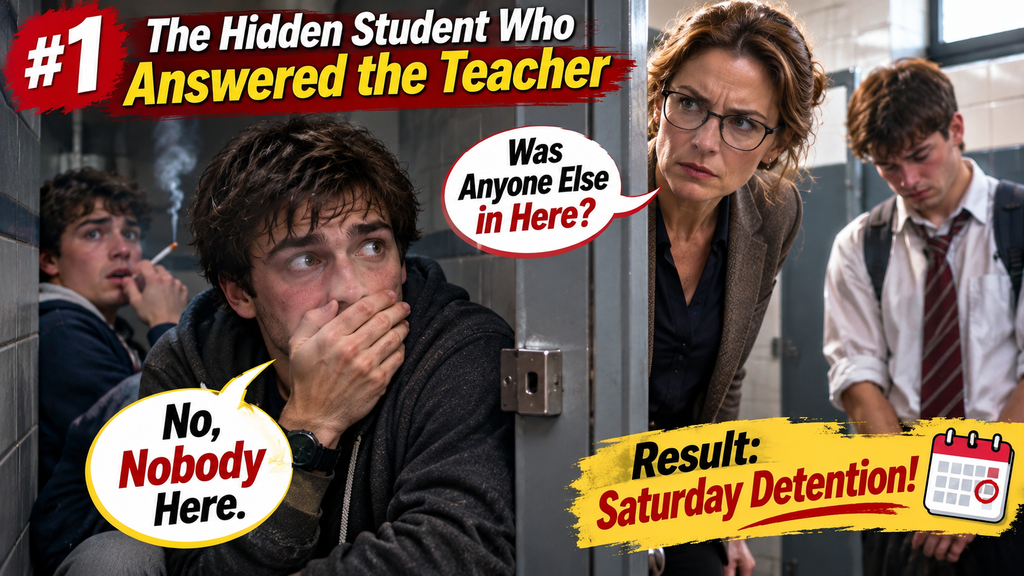
It is an almost perfect verbal trap of the student’s own making. The answer denied their presence while providing evidence of it. No complicated investigation was needed to notice that an empty room had just spoken.
#2. The Twenty-Year-Old Who Claimed to Be Sixteen
Reddit user the_dayman described a hotel gathering interrupted by an officer responding to noise. One drinking guest, actually twenty, claimed to be sixteen because he thought being younger would mean less trouble. His identification immediately contradicted him, and the commenter said the group ultimately received an instruction to quiet down.
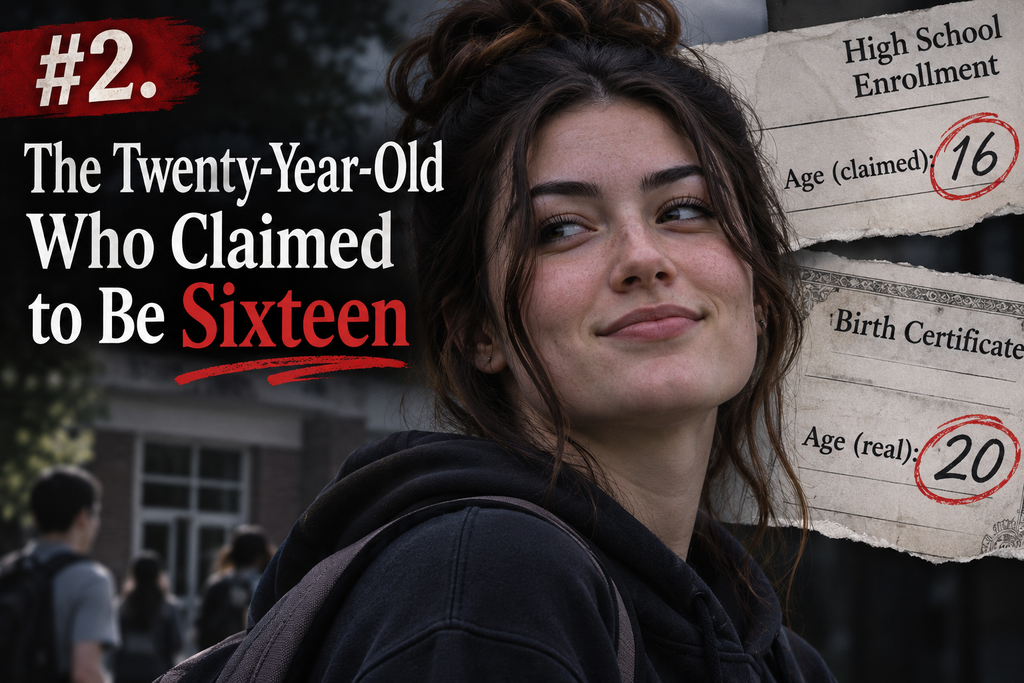
The strange part is the calculation behind the lie. He made himself younger in a situation where his age was already a problem. His improvised strategy could not survive the first document check.
#3. The Speeder With an Unhelpfully Honest Explanation
According to msmouse05, a friend accelerated after noticing a police officer turn around behind him. A different officer stopped him, and he explained that he had been trying to escape the first one. The commenter reported that he received a ticket.
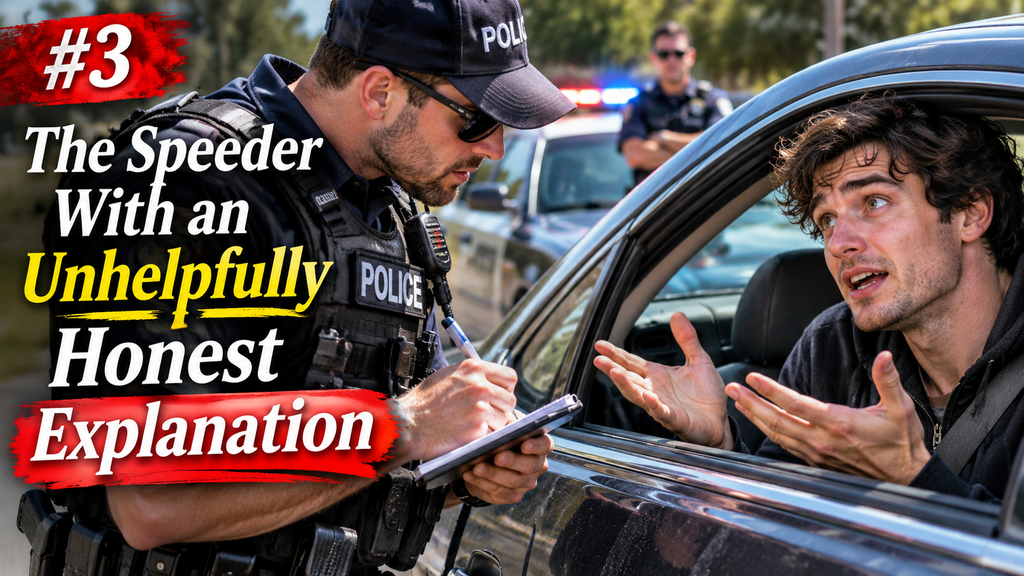
This is the storytelling equivalent of answering a difficult question with a more difficult question. An explanation for the speed became an admission about the reason for it. The second officer had apparently joined the story midway through, and the driver supplied the missing background.
#4. The Driver Who Brought Mom Into the Joke
In one driver’s account of a roadside joke, the commenter said the car belonged to his mother and jokingly attributed any drugs inside to her. He reported that additional searches followed and nothing was found. The attempted joke became the most consequential part of the encounter.
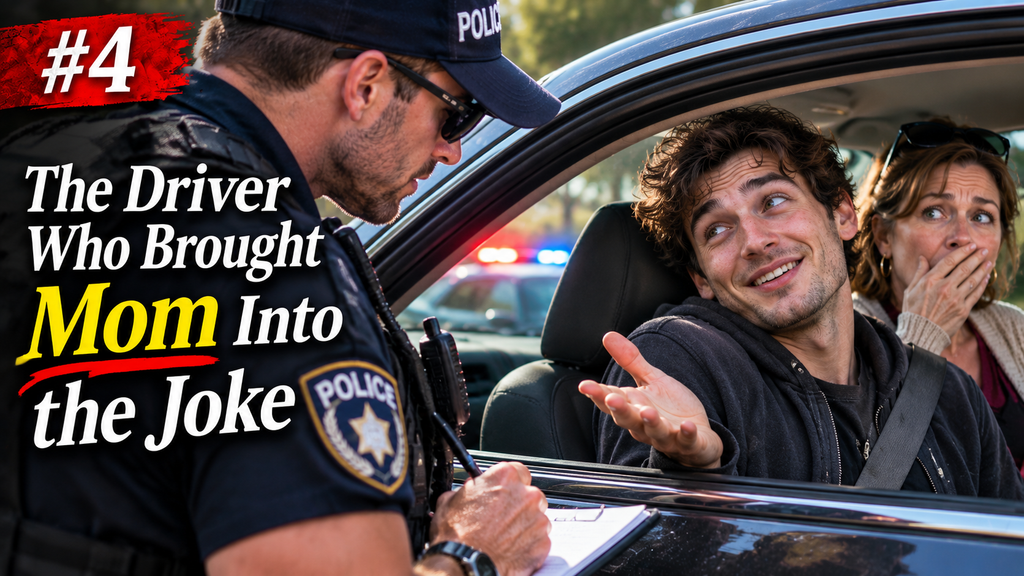
Here, the distinction between suspicion and wrongdoing matters. The account does not establish that there were drugs or that the mother did anything wrong. Its awkwardness comes from introducing an alarming possibility purely for comic effect.
#5. The Customer Who Argued Too Hard About a Fake Bill
User declancostello described a customer trying to spend a counterfeit €10 note. She allegedly insisted that the shop had given it to her previously and repeatedly acknowledged knowing it was fake. The commenter said an officer arrested her after the dispute.
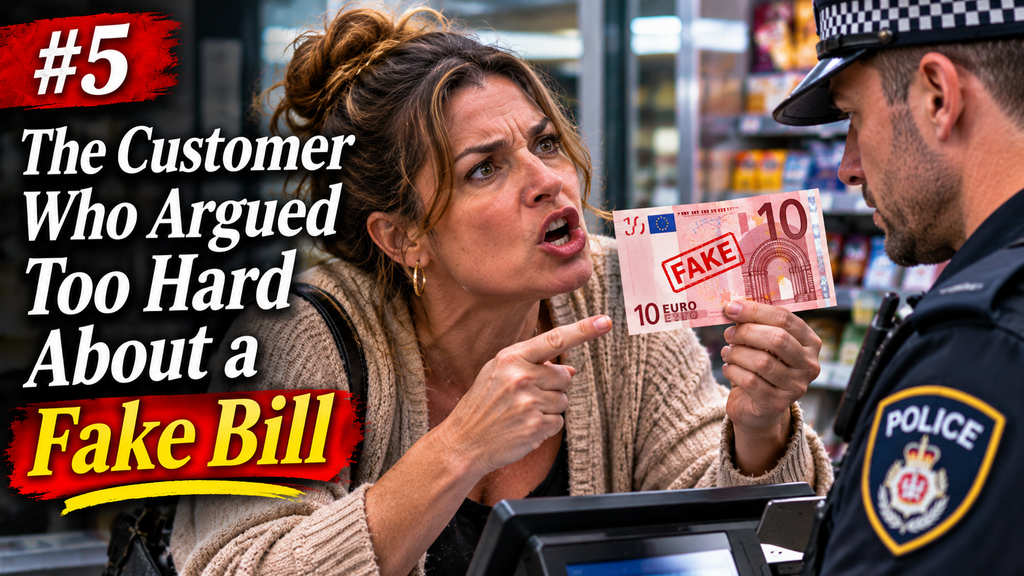
Her argument focused on who deserved blame for the original problem. The question she was being asked concerned what she knew when she tried to use the note. Those are different issues, and her insistence on winning the first argument made the second harder to explain.
When Actions Supply the Missing Explanation
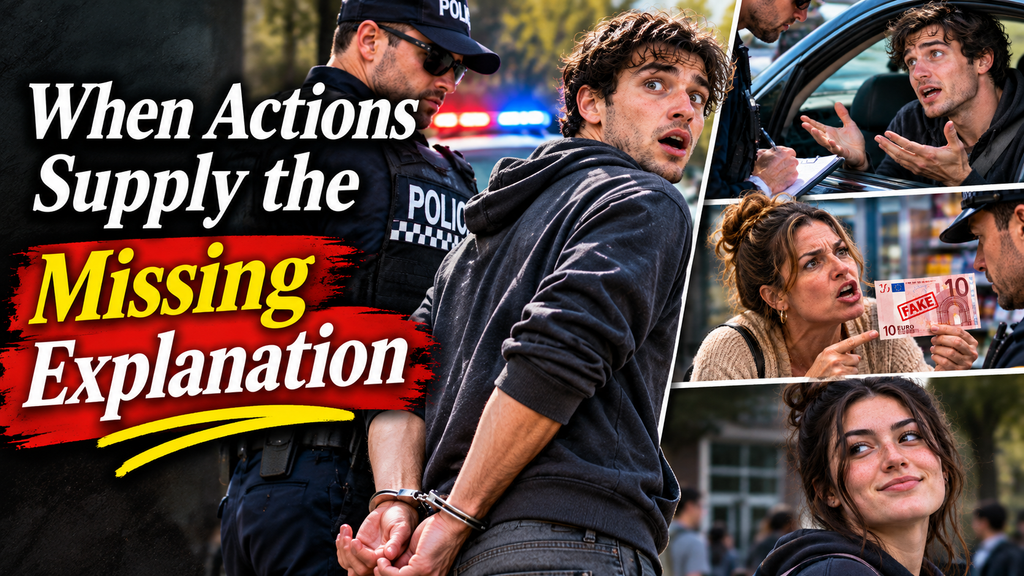
#6. The Vandals Who Had Already Supplied Their Identification
A commenter identifying themselves as a security guard said two visitors cooperated with an identification check. They then allegedly damaged the guard’s patrol vehicle while arguing that the guard was not a police officer. The commenter reported that their identities and images were already documented and that arrests followed.

The contradiction is the memorable part: they challenged the guard’s authority after helping establish who they were. Whether someone can personally arrest you is a different question from whether they can document an incident. Their supposed confidence ignored the record they had just created.
#7. The Only Hand Raised at the Party
User ReallyShouldStudy recalled a cousin attending a college party that police interrupted. When an officer asked who had been drinking underage, the cousin immediately raised his hand. According to the commenter, his was the only hand up.
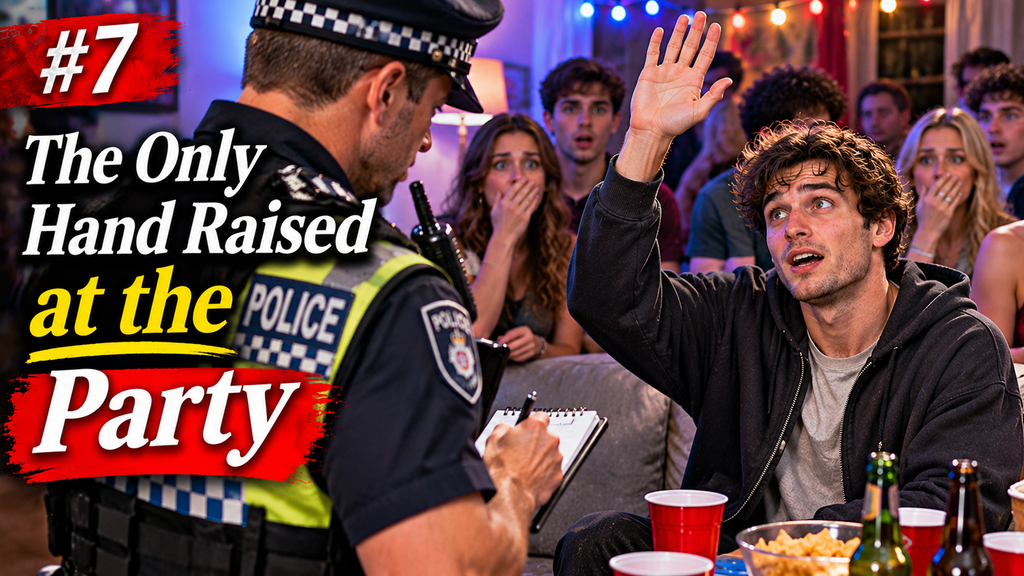
The image has the rhythm of a classroom moment transplanted into completely different surroundings. A direct question received an exceptionally direct response. The account provides no outcome, so adding an arrest or punishment would turn a short anecdote into an invented story.
#8. The DJ Whose Playlist Became Commentary
An anonymous commenter said their brother was DJing on a party boat when police arrived. At roughly the same moment, he played KRS-One’s “Sound of Da Police,” allegedly without having noticed the officers beforehand. The commenter said the music was stopped and the DJ received a reprimand.

This is awkward timing rather than evidence of a crime. A song that might have passed unnoticed a minute earlier suddenly sounded like a deliberate message. The story works because the DJ’s claimed intention and the audience’s interpretation were so far apart.
#9. The Coin Payment With Unfortunate Optics
Another anonymous contribution described someone accused of breaking into parking meters and vending machines. The commenter claimed that his bail was paid in coins. No case details or independent documentation accompanied the story.
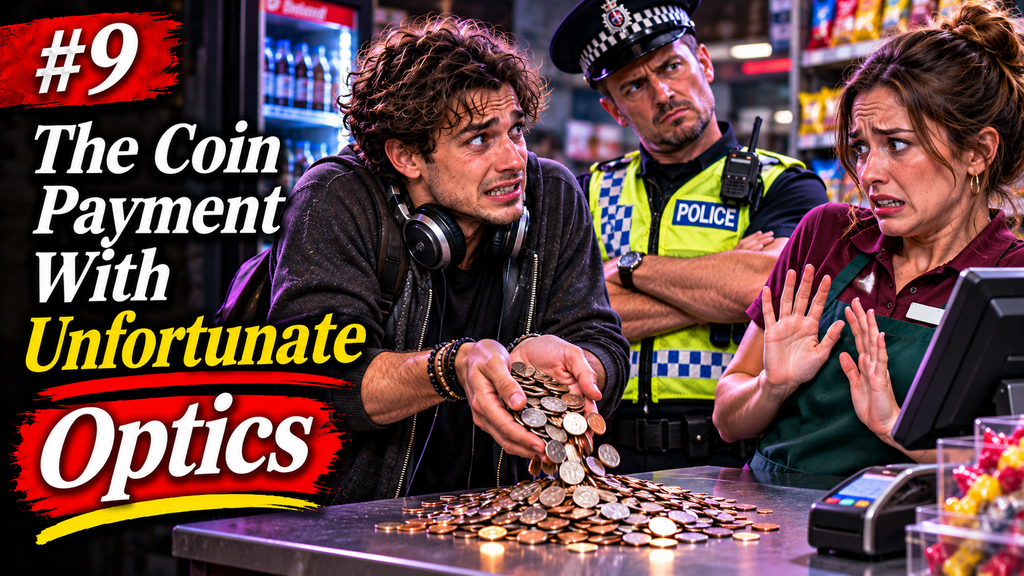
The coincidence is easy to appreciate, but it is not proof of theft. Coins have plenty of ordinary sources, and an amusing connection cannot settle an accusation. This anecdote earns its place as an example of suspicious-looking circumstances, not a demonstrated confession.
Explanations That Raised More Questions
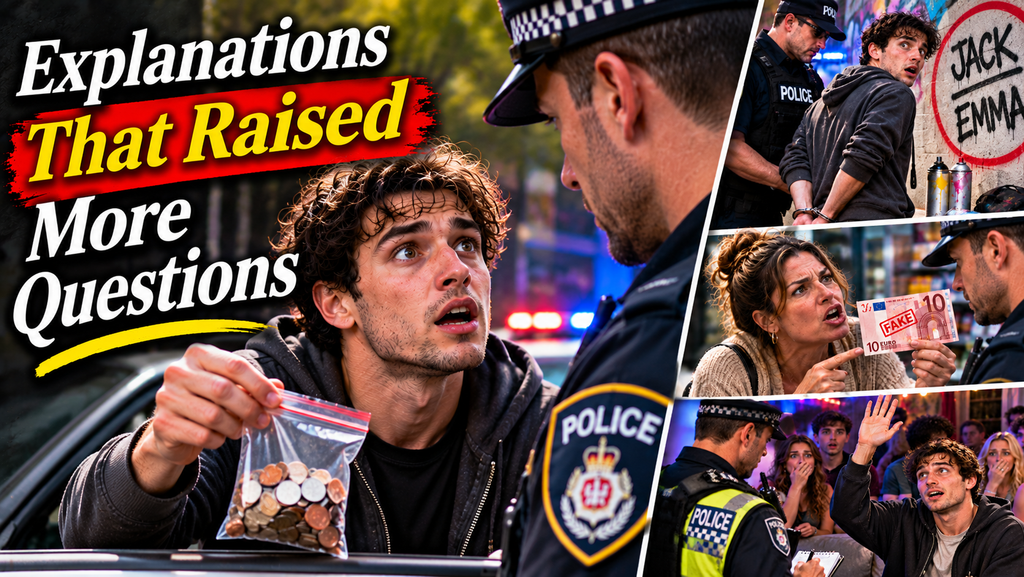
#10. The Person Who Tried to Separate “Wasted” From “Drunk”
User Godenyen offered a very short account of hearing someone deny being drunk while describing themselves as wasted. The comment supplied no fuller setting or outcome. Its entire comic effect rests on the speaker apparently treating those descriptions as reassuringly different.
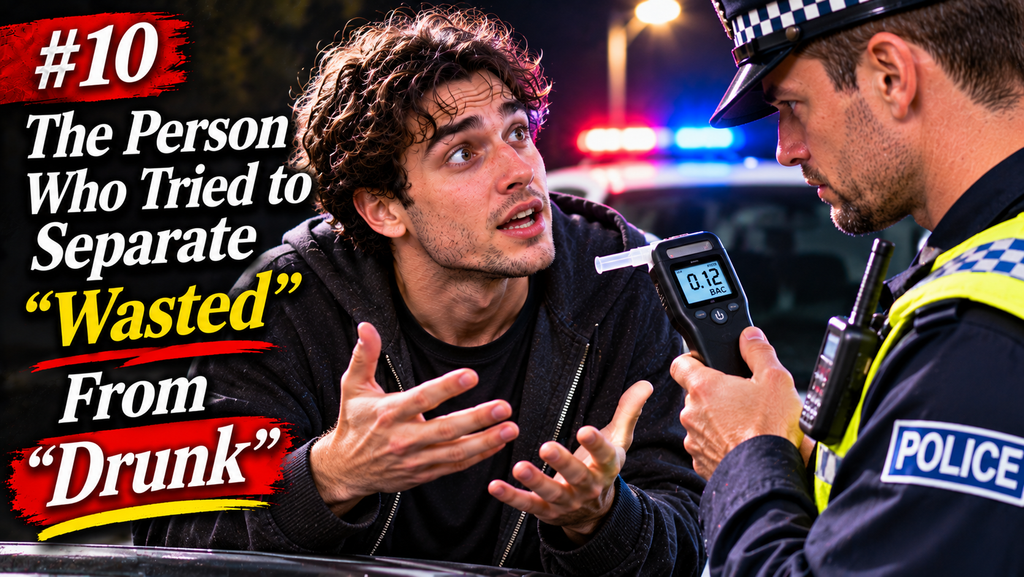
Sometimes the proposed clarification makes the original statement harder to defend. Here, changing the label did little to change what a listener would understand. Still, a one-line anecdote cannot establish anyone’s actual condition.
#11. The Driver Who Misread a Television Crew
A commenter claiming to be a UK traffic officer described a routine stop being filmed for television. The driver allegedly volunteered that drugs were in the glove compartment before hearing why he had been stopped. According to the account, the extra vehicle and camera crew’s bright jackets made him assume a targeted operation was underway.
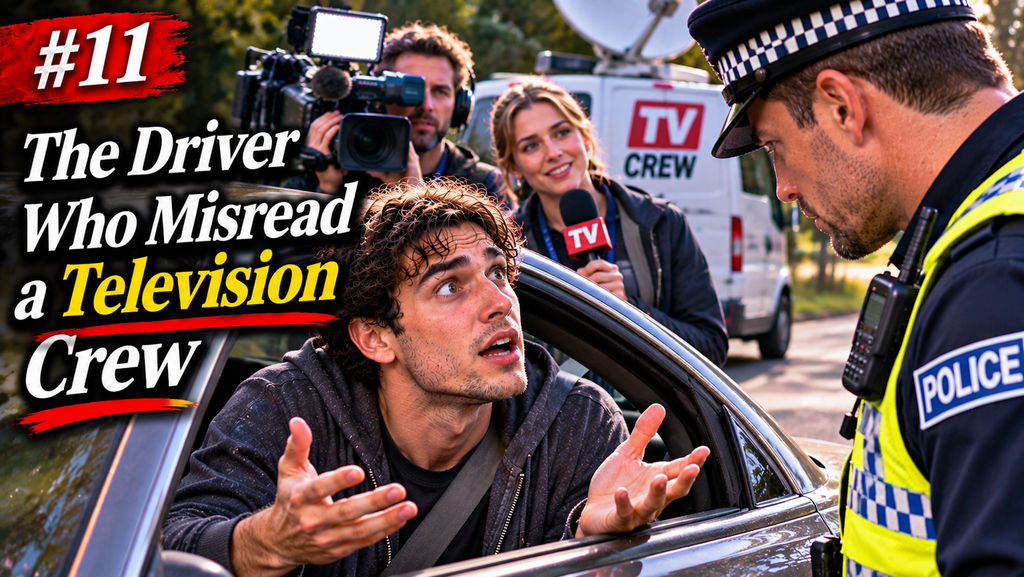
His interpretation supplied a story the officers had not told him. The conspicuous filming setup apparently looked like evidence that they already knew everything. This remains an unverified account, with no identified episode or case record establishing the incident.
#12. The Motorcyclist Who Stopped to Confess
User kranzmonkey relayed a story attributed to a law professor’s public-defense work. A motorcyclist supposedly approached an officer who was dealing with another driver and volunteered that he possessed heroin. His reported explanation was that getting caught eventually seemed inevitable.
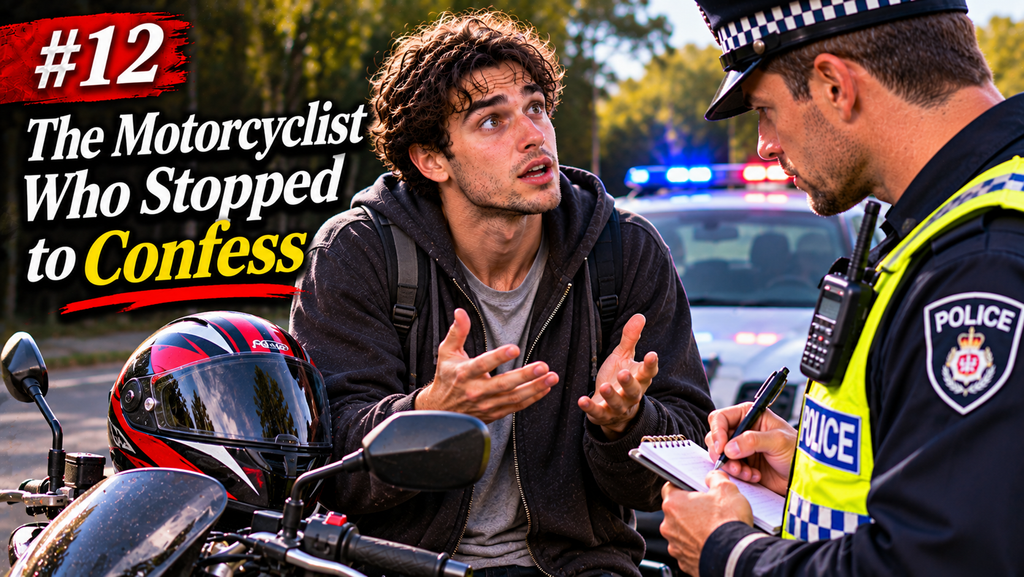
This account is secondhand, and the person’s motives cannot be established from the retelling. The unusual reversal is that the officer was occupied elsewhere when the man initiated the encounter. Anything beyond the reported explanation would be speculation about why he wanted to confess.
Three Stories That Need a Little More Context

#13. The Sober Man Whose Coordination Looked Suspicious
User 15blinks said a family member performed poorly on a roadside sobriety test but later registered a blood alcohol concentration of 0.0. The commenter attributed the performance to his ordinary lack of coordination. They also claimed to have witnessed the encounter.
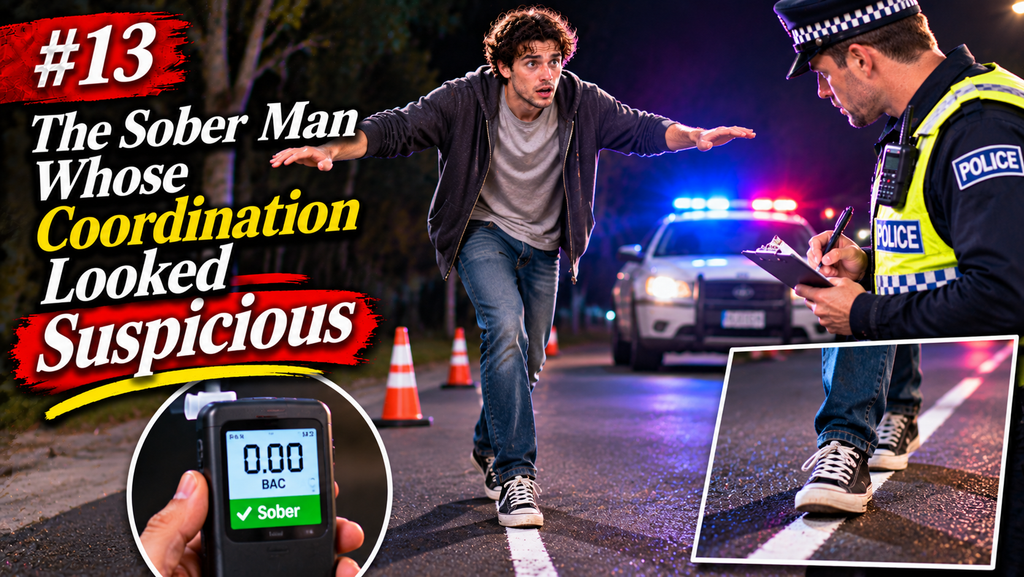
This is an important counterpoint to the stories about volunteered admissions. As told, the man’s difficulty did not come from drinking. The irony lies in the mismatch between an initial impression and the reported result, rather than in someone successfully exposing a hidden offense.
#14. The Witness Who Thought Filing First Explained Everything
In the original discussion, uclaw44 described a deposition involving technology allegedly taken from a client. The witness reportedly acknowledged taking it because he believed being first to bring it to the patent office was what mattered. The commenter said this explanation surprised his own lawyer.
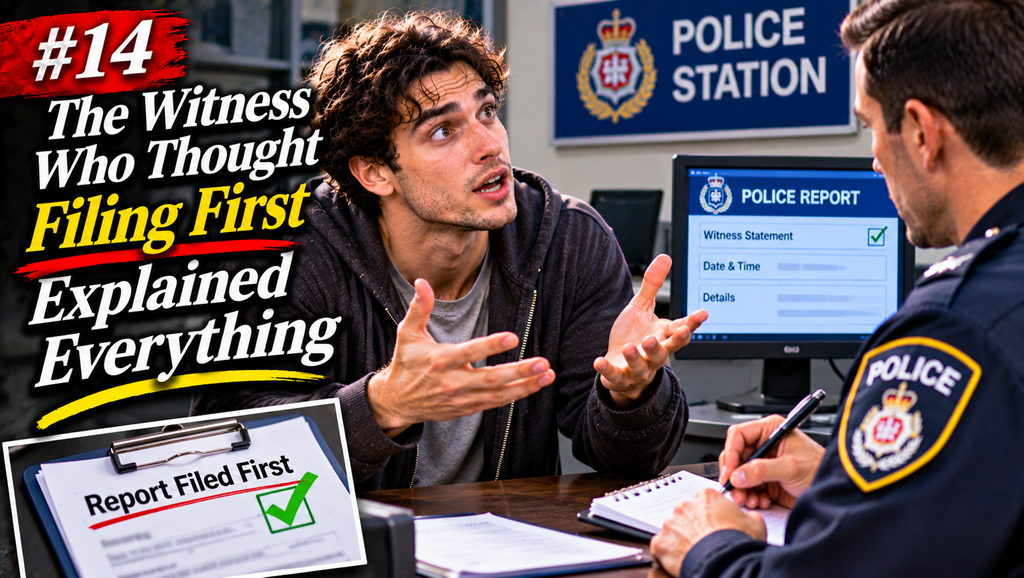
The anecdote centers on an assumption that the speaker apparently considered a defense. Instead of disputing the action, he explained why he thought it was acceptable. The post does not provide enough information to establish the dispute’s outcome, and it should not be treated as patent-law guidance.
#15. The Backward-Alphabet Tale That Might Be an Urban Legend
User GlitterponyExpress mentioned a story about someone responding to a backward-alphabet request by saying they could not do it even when sober. Crucially, the commenter explicitly questioned whether the story was an urban legend. It belongs here as an uncertain tale, not a verified roadside incident or an account of standard testing procedure.
The joke depends on a small grammatical implication: “even when sober” can sound like a contrast with the present. That makes it a tidy punch line, but tidy punch lines are not evidence. Preserving the uncertainty is more honest than attaching invented people, dates, or consequences.
What These Stories Have in Common
The funniest moments involve a gap between what someone means to communicate and what their words actually suggest. A denial announces someone’s presence, a joke introduces suspicion, and an explanation reveals an assumption nobody else shares. Reading the accounts together makes those different kinds of communication failure easier to recognize.
But people incriminating themselves is a broader entertainment label than the evidence supports in every entry. Some stories describe alleged admissions, while others describe poor timing, unverified coincidences, or innocent behavior being misread. Enjoying the irony does not require turning every person into a criminal or every internet anecdote into a confirmed fact.
6. Sources and References
All personal accounts are unverified Reddit submissions. Original comment links are listed below; the discussion is evidence that these accounts were posted, not independent proof that the events happened.
- Original AskReddit discussion; also source for the technology-deposition account
- Hidden student
- Hotel guest’s age claim
- Speeding explanation
- Mother’s car joke
- Counterfeit note dispute
- Security guard’s account
- Raised hand at a party
- Party-boat DJ
- Bail paid in coins
- The “wasted” distinction
- Television crew traffic stop
- Motorcyclist’s reported admission
- Sober family member
- Uncertain backward-alphabet tale
7. Publication Warning
Keep the source disclosure: these incidents have not been independently verified, and one is explicitly described as a possible urban legend. Do not label them “15 verified true stories.” Any added screenshots or source images need a separate rights review.