

Coming home to clean floors and an empty sink sounds like a welcome gift, especially when you are preparing for a new baby. Coming home to find your belongings removed and your rooms rearranged is a different experience.
A woman’s Reddit account describes how an offer of household help became a family dispute. At the heart of it was a question that reaches beyond decorating: what does permission to help actually allow someone to do?

Editor’s note: This article discusses a personal account shared on Reddit and subsequently covered by Dijbi. The allegations have not been independently verified. The mother-in-law’s direct response is not included in the available sources. The discussion below is editorial analysis, not a clinical assessment of anyone involved.

In her original Reddit post and updates, the woman said she was seven months pregnant when she and her husband took a short trip. Her mother-in-law offered to clean, and her husband obtained a promise that she would stick to basic tasks.
They returned a day early. According to the account, furniture had been moved, decorations replaced and wallpaper installation started. The woman also reported that rugs, toys and a handmade family rocking chair had been thrown away.

She described becoming overwhelmed and blocking her mother-in-law. Her husband and a friend helped restore the house, and the couple recovered their key.
In later updates, she said her baby was born healthy. She remained out of contact with her mother-in-law, although short visits with her daughter resumed through her husband. Some replacement items arrived, but she said her trust had not returned.
Dijbi’s coverage of the dispute likewise presents it as a conflict about permission, personal belongings and family boundaries.
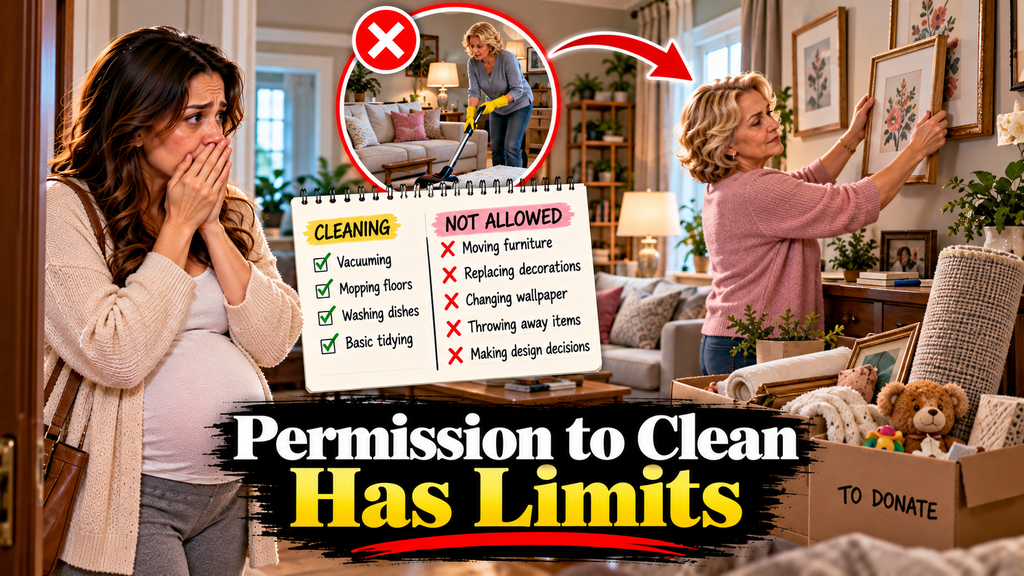
The distinction between cleaning and redecorating is central to this account.
Vacuuming a room usually leaves the household’s choices intact. Removing furniture, replacing artwork or deciding which possessions belong in the rubbish changes those choices.
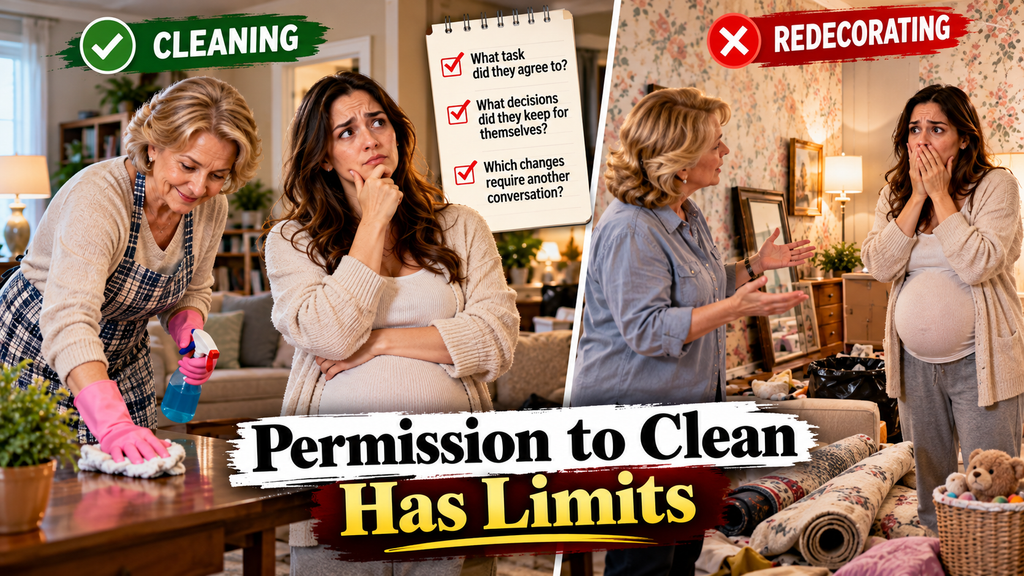
A useful way to assess an offer of help is to ask three questions:
- What task did the person agree to?
- What decisions did they keep for themselves?
- Which changes require another conversation?
In this case, the woman described an agreement limited to basic cleaning. If that account is accurate, the disagreement cannot be resolved simply by deciding whether the new decorations looked attractive.
The homeowner’s right to choose remains relevant even when a visitor has different tastes.
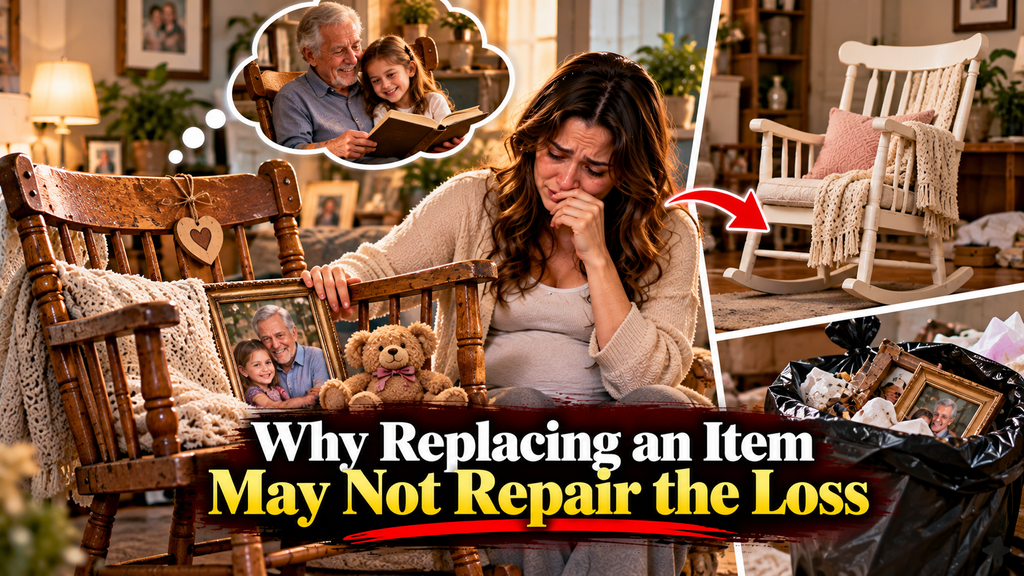
A replacement can address the practical purpose of a missing object. It cannot necessarily restore its history.
A new chair provides somewhere to sit. A chair made by a family member may also represent a relationship, a memory or a tradition someone hoped to pass on.
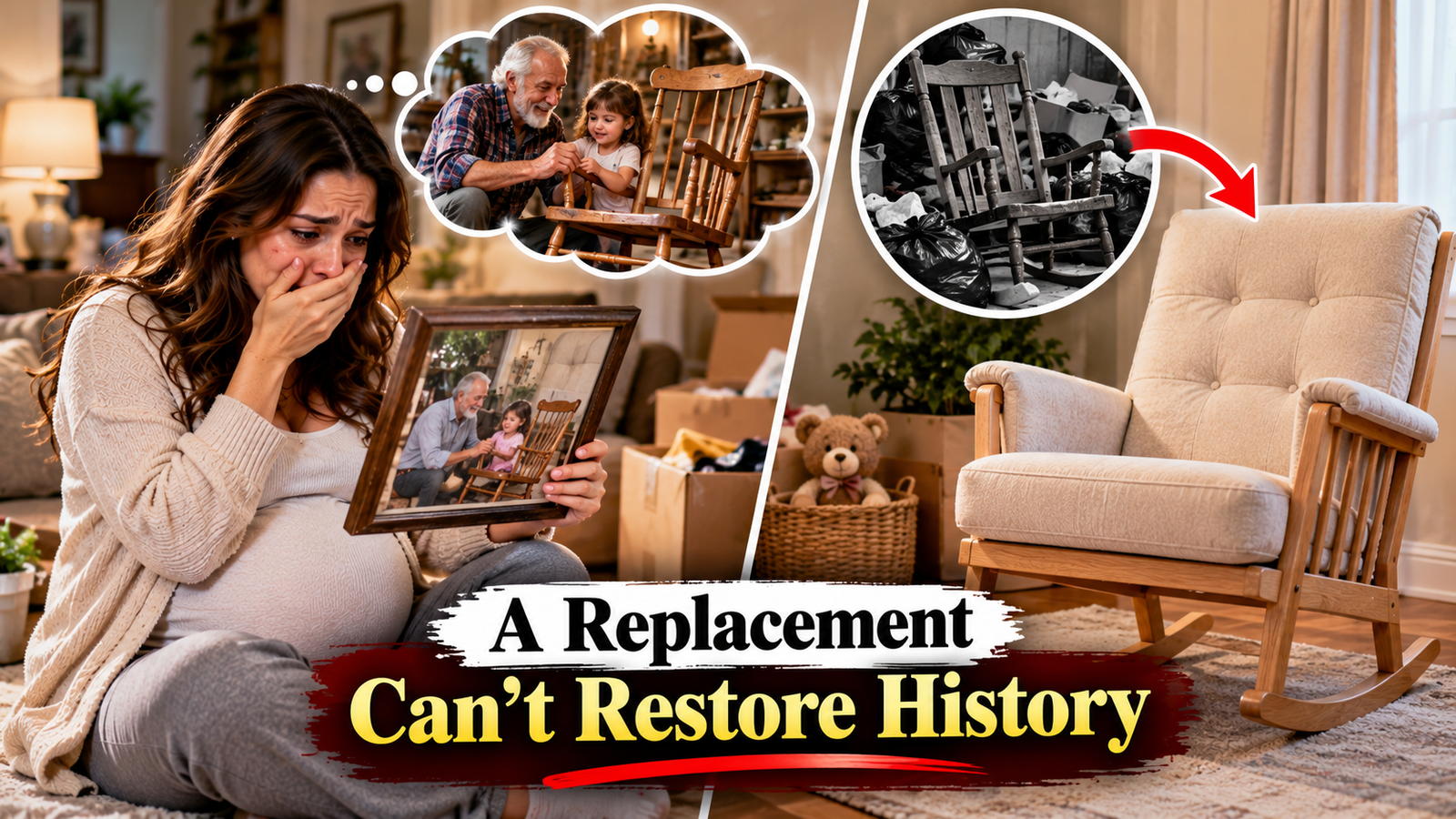
This distinction matters whenever someone helps sort a home. “Old,” “worn” and “unwanted” are not interchangeable descriptions. The person offering help may see clutter where the owner sees something worth keeping.
When the meaning of an object is unclear, setting it aside and asking is a more respectful option than making a permanent decision on someone else’s behalf.
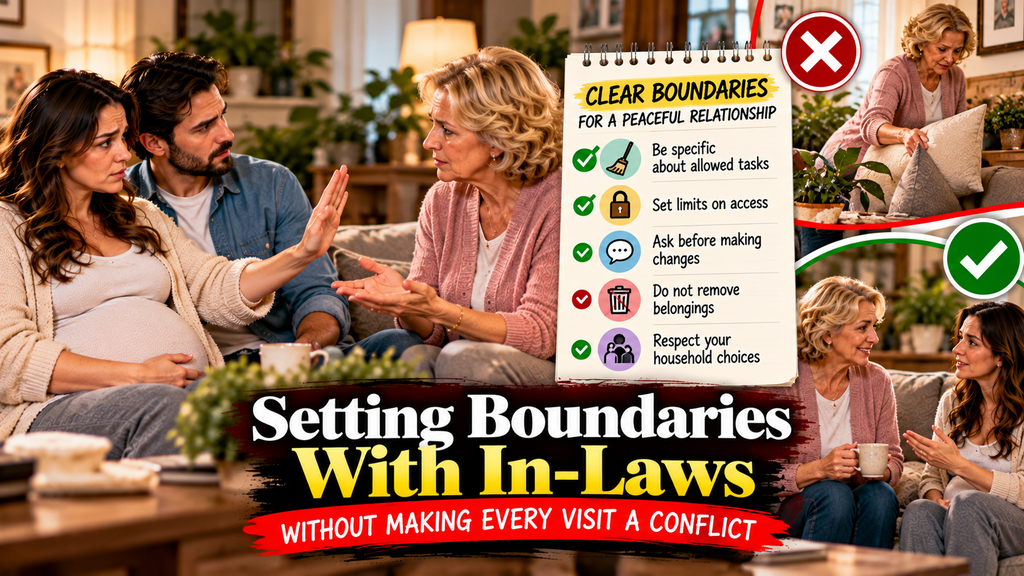
Practical boundaries work best when another person can understand exactly what is being requested.
Cleveland Clinic’s guidance on setting boundaries recommends communicating limits clearly, firmly and respectfully. Applied to household help, that means naming the permitted tasks instead of relying on an assumption that everyone understands “tidying up” in the same way.
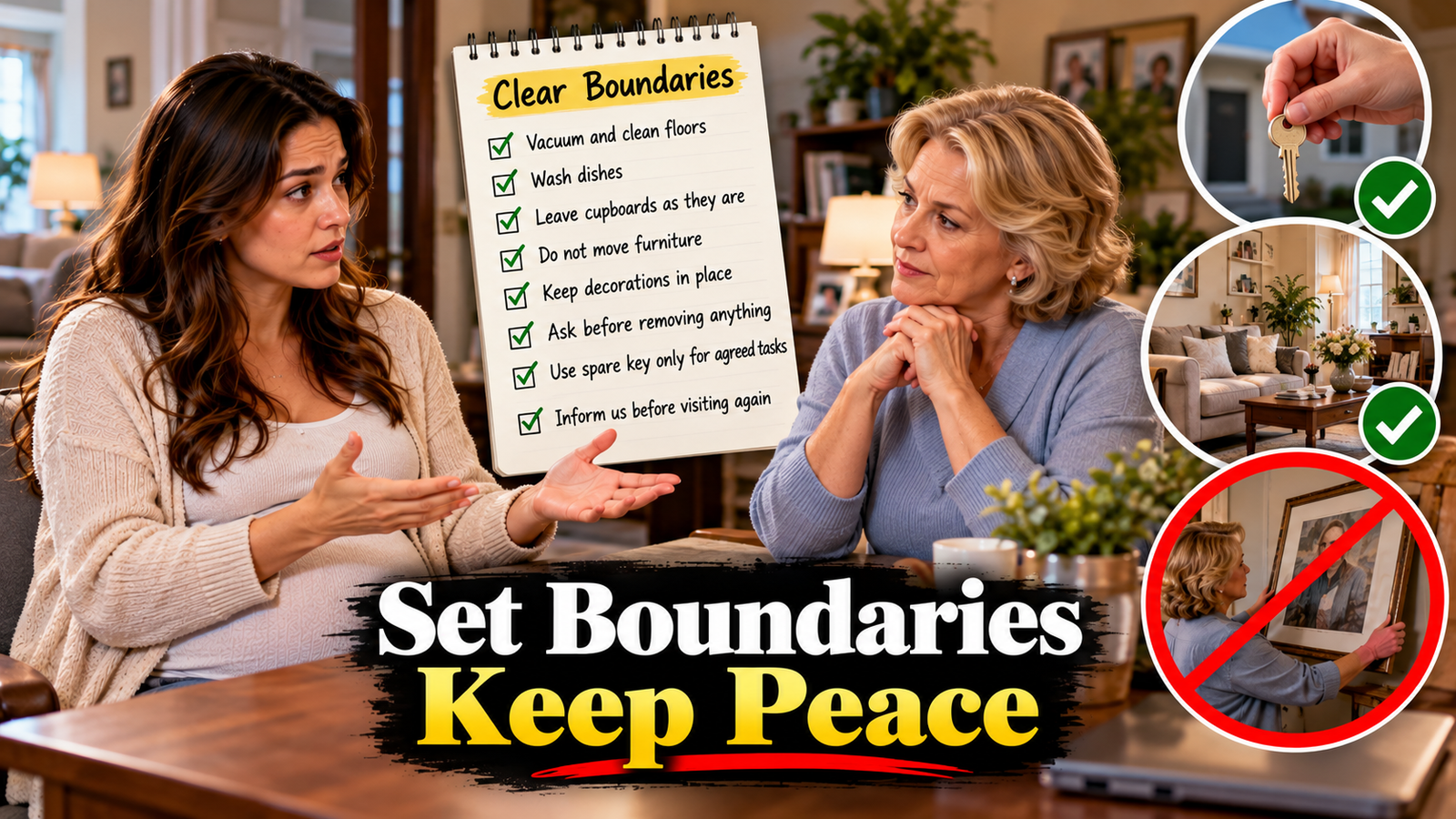
For example, a homeowner could say:
“You’re welcome to vacuum and wash the dishes. Please leave the cupboards and decorations as they are, and check with us before removing anything.”
This is an illustrative example, not a quotation from the Reddit post.
The same approach can cover spare keys, unexpected visits and access to private rooms. An agreement might allow someone to enter for a particular task while still requiring them to ask before returning on another day.
Being specific gives both people a shared reference point if confusion arises.

When a disagreement involves a parent and a spouse, a partner can help by keeping the conversation focused on the agreement and the actions that followed.

Useful questions include:
- What was agreed before the visit?
- What needs to be returned or repaired?
- What access is appropriate now?
- What would need to change before another offer of help is accepted?
These questions provide more direction than debating whether someone should feel upset.
A couple can also agree on household rules together and communicate those rules consistently. That avoids leaving one person to negotiate every uncomfortable interaction alone.
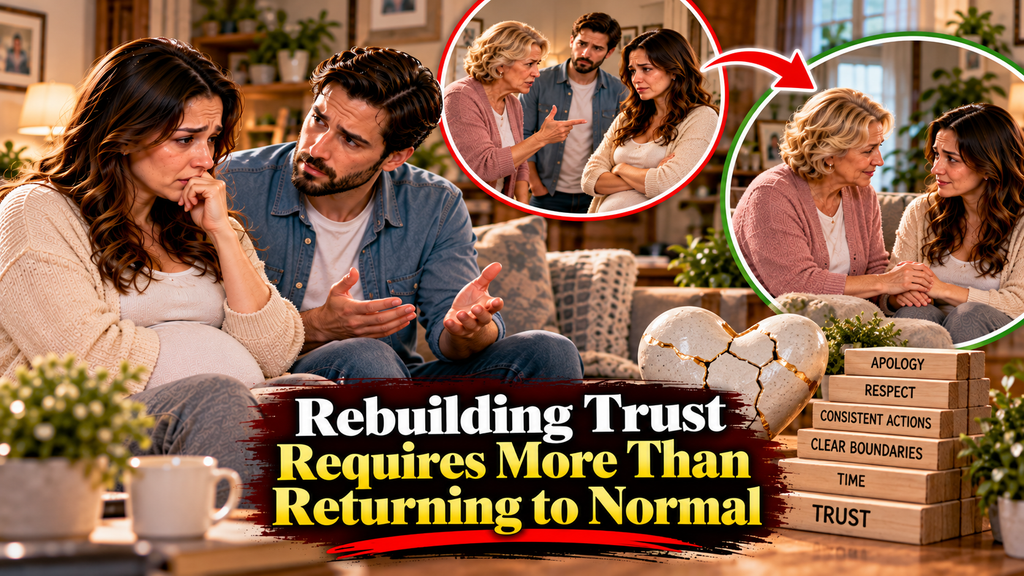
The UK relationship organisation Relate’s guidance on building trust discusses boundaries as part of understanding the emotional and physical space people are comfortable with in a relationship.

For the situation described here, that raises a practical question: what would make another visit feel acceptable?
Possible steps might include acknowledging the specific decision that crossed a boundary, asking before making changes and accepting that access to the home may be different for a while. These are options for discussion, not a prescribed solution for this family.
An apology can begin that conversation. Whether trust returns depends on what the people involved need and what happens afterward.

The available sources offer one person’s description of a private family dispute. They do not establish everyone’s motives or provide grounds for diagnosing anyone.
Readers may also disagree about the decision to end contact. The account alone cannot determine what arrangement would work best for another family.

What it does offer is a concrete example of why permission needs to match the help being given. Before reorganising a relative’s home or discarding something that looks unnecessary, a brief conversation gives the owner a chance to decide.
What household changes would you want someone to ask about first—even if they were trying to help?