A strong personal identity does not develop overnight. It takes shape through everyday decisions, personal experiences, meaningful relationships, and the values a woman chooses to follow. For women living in California, where communities, professional opportunities, family circumstances, and lifestyles can vary considerably, understanding who you are can provide a valuable foundation for making decisions that reflect your priorities.
Building a personal identity for women is not about becoming someone completely different or meeting society’s expectations of success. It is about understanding your values, recognizing your abilities, developing independence, and creating a life that feels meaningful to you. Whether you are beginning your professional journey, raising a family, returning to education, changing careers, or entering a new stage of adulthood, developing a stronger sense of identity can help you approach change with greater confidence.
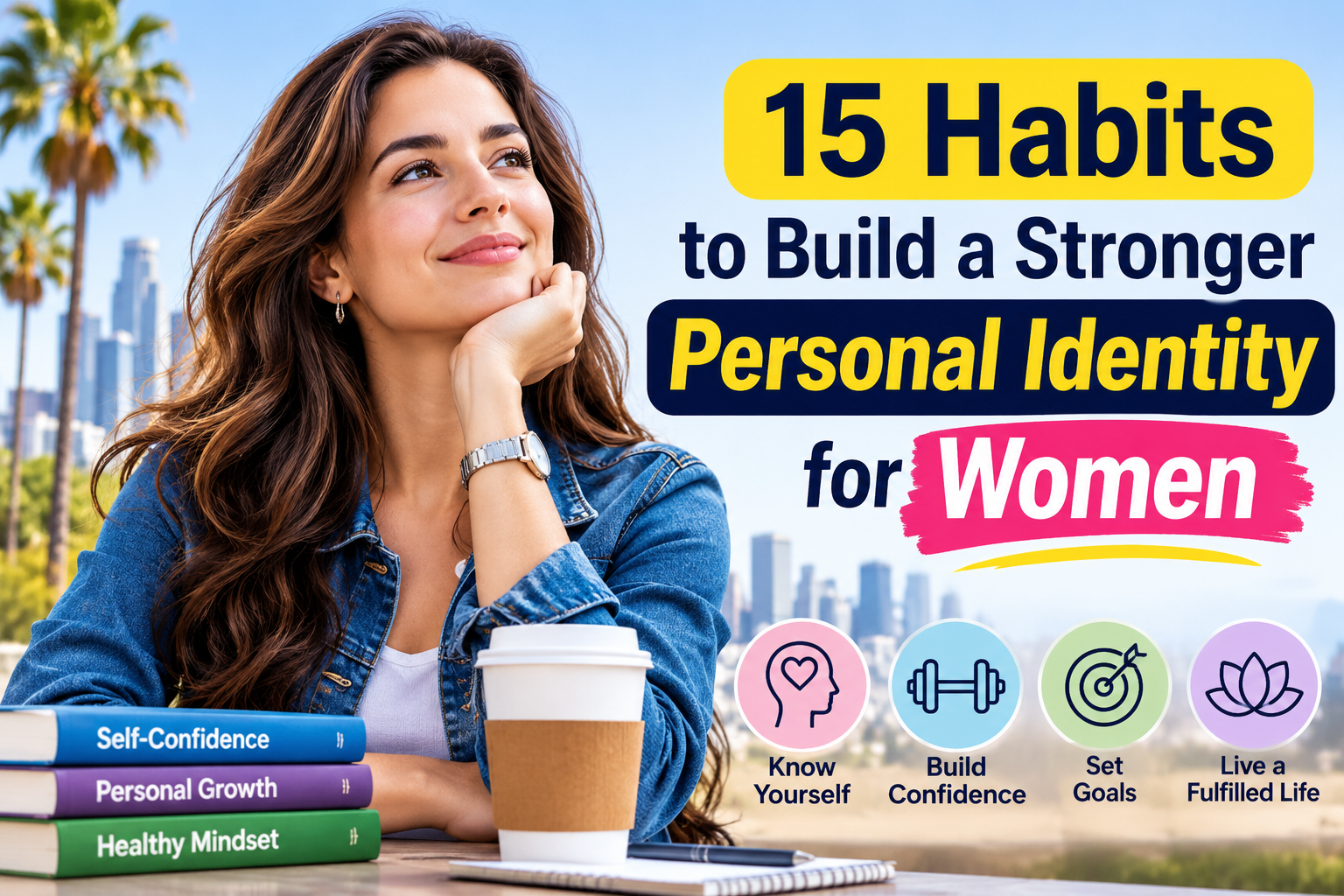
The process does not require expensive programs or dramatic lifestyle changes. Small, consistent habits can help you understand yourself, strengthen your relationships, and become more intentional about the future. Here are 15 practical habits that can help women in California build a stronger sense of personal identity.
Start With Self-Knowledge and Personal Understanding
A meaningful personal identity begins with understanding what matters to you. Before making major changes, take time to examine your beliefs, experiences, strengths, and personal priorities. These first five habits can help you establish a clearer foundation.
1. Identify the Values That Guide Your Life
Personal values influence how you make decisions, approach relationships, and define success. Some women place particular importance on independence, while others prioritize family, creativity, education, community involvement, personal growth, or professional achievement. There is no universal list of values that every woman must follow. The important thing is understanding which principles genuinely matter to you.
Start by writing down five values that you want your everyday decisions to reflect. For example, if independence is important, you might work toward making more informed financial and professional decisions. If family connection matters most, you could establish meaningful time with loved ones without completely neglecting your individual interests. Reviewing these values regularly can help you recognize whether your current lifestyle reflects the person you want to become.
2. Understand Yourself Beyond Your Social Roles
Women often manage several responsibilities simultaneously. Someone may be a mother, daughter, professional, partner, student, caregiver, business owner, or friend. These roles can be important sources of meaning, but they do not represent the entirety of an individual’s identity.
Take a moment to consider who you are when you are not performing a responsibility for someone else. Think about your interests, opinions, ambitions, personal beliefs, and activities that make you feel fulfilled. You might enjoy photography, reading, outdoor activities, volunteering, or learning a new skill. Recognizing these individual interests helps create a more balanced identity that includes both your responsibilities and your personal aspirations.
3. Develop a Regular Self-Reflection Habit
Self-reflection provides an opportunity to examine your experiences rather than allowing every day to pass without considering what you have learned. A notebook or private digital journal can become a useful place to record your thoughts, achievements, challenges, and future goals. You do not need to write lengthy entries or follow a complicated journaling method.
Try answering three questions at the end of each day: What did I learn about myself? Which decision made me feel satisfied? What would I approach differently next time? Over several weeks, these observations may reveal recurring interests, personal strengths, and situations that deserve attention. The purpose is not to criticize yourself but to develop a more informed understanding of your choices.
4. Recognize Your Strengths and Areas for Improvement
A stronger personal identity develops when you understand both what you do well and where you still have room to grow. Your strengths might include communication, organization, leadership, creativity, patience, problem-solving, or the ability to support others. Recognizing these qualities helps you make better decisions about your personal and professional direction.
At the same time, acknowledge skills that you would like to improve. You might want to become more comfortable speaking in public, managing difficult conversations, learning technology, or organizing your finances. Ask trusted people for constructive feedback, but consider their opinions alongside your own experiences. Your identity should not be defined entirely by other people’s assessments.
5. Practice Self-Compassion Instead of Constant Self-Criticism
Personal development becomes difficult when every mistake turns into a reason to question your worth. Comparing your progress with another woman’s career, appearance, income, family circumstances, or achievements can create unnecessary pressure. Everyone develops under different circumstances, and individual progress rarely follows an identical timetable.
Self-compassion means treating yourself with understanding during difficult experiences while still accepting responsibility for your actions. Psychology researcher Kristin Neff describes self-compassion through self-kindness, recognition of common humanity, and mindful awareness. Her review in the Annual Review of Psychology discusses research connecting this approach with psychological well-being and healthier responses to distress. Read the research on self-compassion by Kristin Neff.
Instead of thinking, “I am not good enough,” consider asking, “What can I learn from this experience?” This small change in your response can make personal improvement more constructive. A confident identity does not require perfection; it requires the willingness to learn without treating every setback as a personal failure.
Build Independence, Confidence, and Everyday Personal Agency
Understanding yourself is an important beginning, but personal identity also becomes stronger through action. Your decisions, boundaries, skills, and ability to manage responsibilities help turn personal beliefs into everyday behavior.
6. Build Self-Trust Through Small Commitments
Self-trust develops when your actions become increasingly consistent with your intentions. Large ambitions can feel overwhelming when they are not supported by manageable steps. Rather than promising yourself that you will completely transform your lifestyle, choose a few realistic commitments that you can maintain.
For example, set aside 20 minutes to read, complete one lesson in an online course, prepare for an important conversation, or take a short walk. Once you become comfortable with these actions, gradually introduce additional responsibilities. When circumstances change, adjust your plan instead of abandoning it entirely. Consistency is more useful than creating an unrealistic routine that becomes difficult to maintain.
7. Learn to Establish Healthy Personal Boundaries
Healthy boundaries help communicate what you are comfortable accepting and what you cannot reasonably accommodate. They can apply to personal relationships, work responsibilities, family expectations, communication, and the use of your time. Establishing boundaries does not mean becoming unfriendly or refusing to support people who matter to you. It means recognizing that your needs and limitations deserve consideration as well.
Practice communicating your boundaries in simple, respectful language. For example, you might explain that you cannot accept an additional work assignment because of existing responsibilities, or that you need uninterrupted time to complete an educational course. Avoid making promises simply because you feel uncomfortable saying no. With practice, clear communication can help you maintain relationships without consistently ignoring your own priorities.
8. Make More Intentional Personal Decisions
Personal independence involves developing the confidence to participate actively in decisions about your own life. This may include choosing an educational path, evaluating career opportunities, deciding where to spend your time, or considering a major lifestyle change. Listening to experienced people can be helpful, but their preferences do not automatically have to become your decisions.
Before making an important choice, consider its practical consequences, possible benefits, limitations, and relationship to your values. For example, a woman considering a career transition in California might compare training requirements, commuting arrangements, salary expectations, and family responsibilities before selecting a direction. Gathering reliable information makes it easier to distinguish between a decision that genuinely suits you and one based mainly on external pressure.
9. Invest in Education and Lifelong Learning
Learning new skills gives you more opportunities to explore your abilities and participate confidently in different areas of life. Education does not have to end with a college degree. Professional certifications, community college programs, online courses, workshops, language classes, and independent study can all contribute to personal development.
California offers many possible learning environments, from local educational institutions to virtual professional programs. Choose subjects that connect with your interests and future goals rather than selecting courses solely because they are popular. Developing communication, leadership, technology, creative, or business skills can also introduce you to new communities and professional opportunities. Every useful skill you develop adds another dimension to your understanding of what you can accomplish.
10. Develop Financial Awareness and Personal Responsibility
Financial awareness is an important part of understanding your responsibilities and making independent decisions. You do not need to become a financial expert to start building this habit. Begin by understanding your income, regular expenses, savings, outstanding debt, and financial priorities. A simple monthly budget can help you see where your money is going and identify areas that may need attention.
Women at different stages of life may have different financial circumstances. A college student, working professional, entrepreneur, single parent, and retired woman will not necessarily have the same priorities. Consider learning about credit reports, emergency savings, workplace compensation, retirement options, and basic financial planning through reliable resources. The objective is not to measure your worth through money but to become more informed and capable of making decisions about your financial future.
Strengthen Relationships, Personal Growth, and Meaningful Purpose
Personal identity develops within a wider social environment. Relationships, community participation, personal interests, and meaningful contributions can help you understand your place in the world without losing sight of your individuality.
11. Build Relationships That Support Your Personal Growth
Supportive relationships can provide encouragement, practical assistance, and a sense of belonging. Surround yourself with people who respect your individuality, take your ambitions seriously, and allow you to express different opinions. Healthy friendships do not require everyone to share the same background, career, interests, or lifestyle.
Make time to maintain meaningful connections through regular conversations, shared activities, and thoughtful gestures. For women in California, opportunities to build friendships may include professional associations, neighborhood activities, community classes, cultural organizations, and volunteering. The Centers for Disease Control and Prevention explains that supportive social connections are important for mental and physical health and can help people manage stress. Its social connection guidance also explains why relationships and a sense of belonging matter.
Remember that meaningful relationships involve both giving and receiving support. You can encourage others while also accepting help when you need it. A strong identity allows room for connection without requiring you to sacrifice your entire personality to maintain a relationship.
12. Find Mentors and Develop a Supportive Professional Network
Mentorship can introduce you to perspectives and opportunities that might otherwise take years to discover independently. A mentor may help you evaluate career choices, develop leadership skills, understand workplace expectations, or identify areas where additional training would be valuable. You do not need to find someone with an identical personal background; a useful mentor is someone whose experience offers lessons relevant to your goals.
California women interested in leadership and professional development can explore organizations such as California Women Lead. The organization describes its work as supporting women’s leadership in public and private sectors and offers professional development opportunities, webinars, and networking activities. Women can also explore local organizations and professional communities connected with their own industries and interests.
Networking should not be limited to collecting contacts or attending formal events. Build genuine professional relationships by asking thoughtful questions, sharing useful information, recognizing other people’s contributions, and following up when appropriate. As your experience grows, consider supporting another woman who is beginning a similar journey.
13. Manage Your Digital Environment Intentionally
Social media and online content can influence how you view yourself and evaluate your progress. Constant exposure to carefully selected photographs, career announcements, luxury lifestyles, and achievement-focused posts can create an unrealistic impression of how other people live. Remember that online content usually presents selected moments rather than a complete picture of someone’s circumstances.
Pay attention to how particular accounts and platforms affect your mood, confidence, and priorities. Unfollow or mute content that consistently encourages unhealthy comparison, and follow accounts that provide reliable educational information, creative inspiration, and useful professional guidance. You can also introduce screen-free periods to make space for reading, hobbies, conversations, or personal reflection.
Your digital identity should represent your interests and choices rather than becoming a constant performance for other people. Think carefully before sharing personal information, private photographs, or sensitive details online. A thoughtful digital presence can support your personal identity without becoming its main source of validation.
14. Make Your Physical and Emotional Well-Being a Priority
Taking care of yourself helps create the conditions needed to manage everyday responsibilities and pursue meaningful goals. Regular movement, sufficient rest, balanced meals, and time for relaxation can support your general well-being. These activities should be treated as realistic parts of daily life rather than another demanding standard that you must meet perfectly.
Choose activities that fit your preferences and circumstances. One woman might enjoy walking in a local park, another may prefer swimming, dancing, yoga, or strength training. Similarly, emotional well-being may involve spending quiet time alone, discussing concerns with a trusted friend, or consulting a qualified mental health professional when needed. Personal growth should not be confused with ignoring emotional difficulties or forcing yourself to remain positive in every situation.
Protecting your well-being is also a way of respecting your individual needs. You can make room for meaningful responsibilities while recognizing that constant exhaustion is not a requirement for being successful, supportive, or ambitious.
15. Contribute to Your Community and Revisit Your Personal Goals
A strong personal identity can include a sense of contribution beyond individual achievements. Helping others, participating in community activities, supporting local causes, and sharing your knowledge can create meaningful connections with people who have different experiences and perspectives. The right opportunity will depend on your interests, available time, and personal circumstances.
California has several resources through which women can explore community involvement and women’s leadership initiatives. The California Commission on the Status of Women and Girls’ directory of local women’s commissions provides information about county and city commissions across the state. These organizations can be a starting point for exploring local women’s issues, civic participation, and community connections.
It is equally important to revisit your personal goals as your circumstances change. Once every few months, review what you have learned, which commitments still matter, and which ambitions need adjustment. A goal that was important several years ago may no longer reflect your priorities today. Allowing your identity to develop does not mean losing yourself; it means making room for new experiences while remaining connected to your values.
Why Building a Stronger Personal Identity Matters for Women in California
California offers a broad range of communities, educational environments, professional fields, and cultural experiences. However, women do not share one universal lifestyle or set of expectations. Their experiences can differ according to age, location, income, family responsibilities, education, cultural background, personal interests, and available opportunities.
For one woman, building a stronger personal identity may mean returning to college after several years away from education. For another, it may involve starting a small business, pursuing leadership responsibilities, developing financial independence, or finding time for a personal interest outside family and work. These goals are different, but each can represent a meaningful step toward a life that better reflects individual priorities.
The most useful approach is to avoid treating personal development as a competition. You do not have to achieve every goal simultaneously or follow someone else’s definition of confidence. Instead, identify the changes that would make the greatest practical difference in your own life and develop them gradually.
Conclusion: Create an Identity That Reflects Who You Truly Are
Building a stronger personal identity for women is an ongoing process of learning, reflection, decision-making, and personal growth. The 15 habits discussed in this article provide practical starting points, from understanding your values and establishing boundaries to developing skills, strengthening relationships, and participating in your community.
You do not need to introduce all these habits at once. Choose two or three that address your current priorities and begin with manageable actions. As your circumstances and interests develop, revisit your goals and make adjustments that reflect what matters to you.
Ultimately, a strong personal identity is not defined by a job title, relationship status, income level, appearance, or other people’s approval. It is shaped by your values, decisions, experiences, and the way you choose to approach life. Give yourself the opportunity to grow into a person whose everyday choices reflect her own understanding of a meaningful and fulfilling future.
Sources and References
- Manchiraju, S. (2026). Self-concept clarity: A comprehensive and integrative review. Frontiers in Psychology. Research background on self-concept clarity, identity, and psychological well-being.
- Neff, K. D. (2023). Self-Compassion: Theory, Method, Research, and Intervention. Annual Review of Psychology, 74, 193–218.
- Centers for Disease Control and Prevention. Social Connection. Information about relationships, belonging, and health.
- Centers for Disease Control and Prevention. Improving Social Connectedness. Practical guidance on developing supportive relationships.
- California Women Lead. Official Website. Women’s leadership, professional development, and networking opportunities in California.
- California Commission on the Status of Women and Girls. Directory of Local Women’s Commissions. Directory of local women’s commissions in California.
- W1 Network Stories. 15 Practical Habits for a More Successful Life. Related internal resource.
- W1 Network Stories. 15 Practical Ways to Live a Happy, Meaningful Life. Related internal resource.
- W1 Network Stories. 10 Daily Habits of a California Freelancer Who Nearly Closed Shop. Related California-focused internal resource.