Sometimes, the hardest person to leave is someone who genuinely loves you. There may be no obvious villain, no dramatic betrayal, and no shortage of affection. Yet behind the beautiful moments, one partner can quietly become so overwhelmed by the responsibility of keeping everything together that staying begins to feel impossible.
That was the painful reality described by a 35-year-old woman who decided to end her engagement to a man she considered one of the most loving partners she had ever known. He made her feel appreciated, understood her personality, and showed affection in ways she had rarely experienced before. But as their relationship progressed, she found herself becoming not only his romantic partner but also his emotional caretaker, financial safety net, and daily life manager.

Her experience, originally shared in a Reddit discussion about ending a loving relationship and later featured by Bored Panda, raises an uncomfortable question: Can someone be a genuinely good person and still be unable to sustain a healthy relationship?
For this woman, the answer came with heartbreak rather than anger. She wasn’t leaving because she had stopped caring about her fiancé. She was leaving because she feared that continuing to care for him in the same way would eventually cost her the stability, independence, and emotional well-being she had worked to build.
A Loving Relationship That Initially Felt Different From Everything Before
When the woman first met her partner, she believed she had discovered something special. She was 35, he was 37, and within approximately a year, their relationship had progressed from dating to living together and becoming engaged. Although she had experienced several relationships before, she described this connection as unusually understanding and emotionally fulfilling.
One important part of their compatibility was their shared experience with autism and their mutual understanding of polyamory. According to her account, both partners felt comfortable discussing relationship expectations and communicating openly about their needs. They experienced misunderstandings, but she did not describe their everyday communication as hostile or confrontational.

He regularly complimented her, prioritized her happiness, and tried to make her life easier. Even their pets had become part of the shared life they were building, with each partner developing affection for the other’s cat. These ordinary details made the relationship feel warm, familiar, and full of possibilities.
To an outsider, the engagement might have appeared to be moving toward a happy future. But the woman was beginning to recognize that being deeply loved and being able to build a stable life together were not necessarily the same thing. The difference became increasingly difficult to ignore.
The Emotional Struggles That Slowly Changed Their Relationship
#1: Her Fiancé Was Trying, but His Difficulties Were Affecting Their Daily Life
The woman explained that her fiancé lived with several mental health and neurodevelopmental challenges, which she identified as autism, bipolar disorder, complex post-traumatic stress disorder, and hypersexuality. She said he had attended therapy, taken medication, and made considerable efforts to understand how his emotional experiences affected other people. She also emphasized that he could be thoughtful, affectionate, and remarkably considerate.
These details mattered because she did not view him simply as someone who refused to make an effort. In her account, he was genuinely struggling while also trying to create a loving relationship. She admired that determination, but she increasingly questioned whether his efforts were enough to make their shared responsibilities manageable.
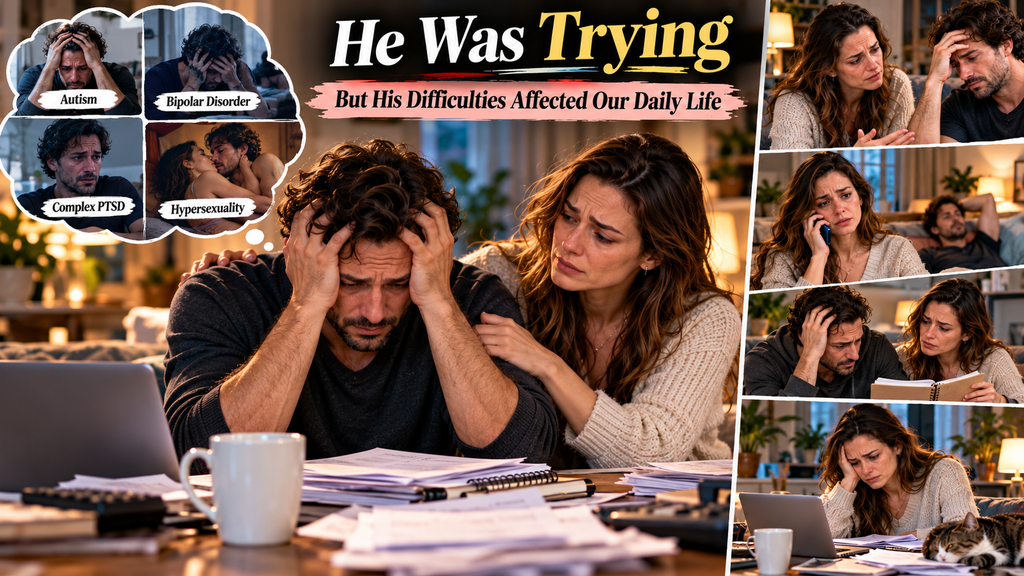
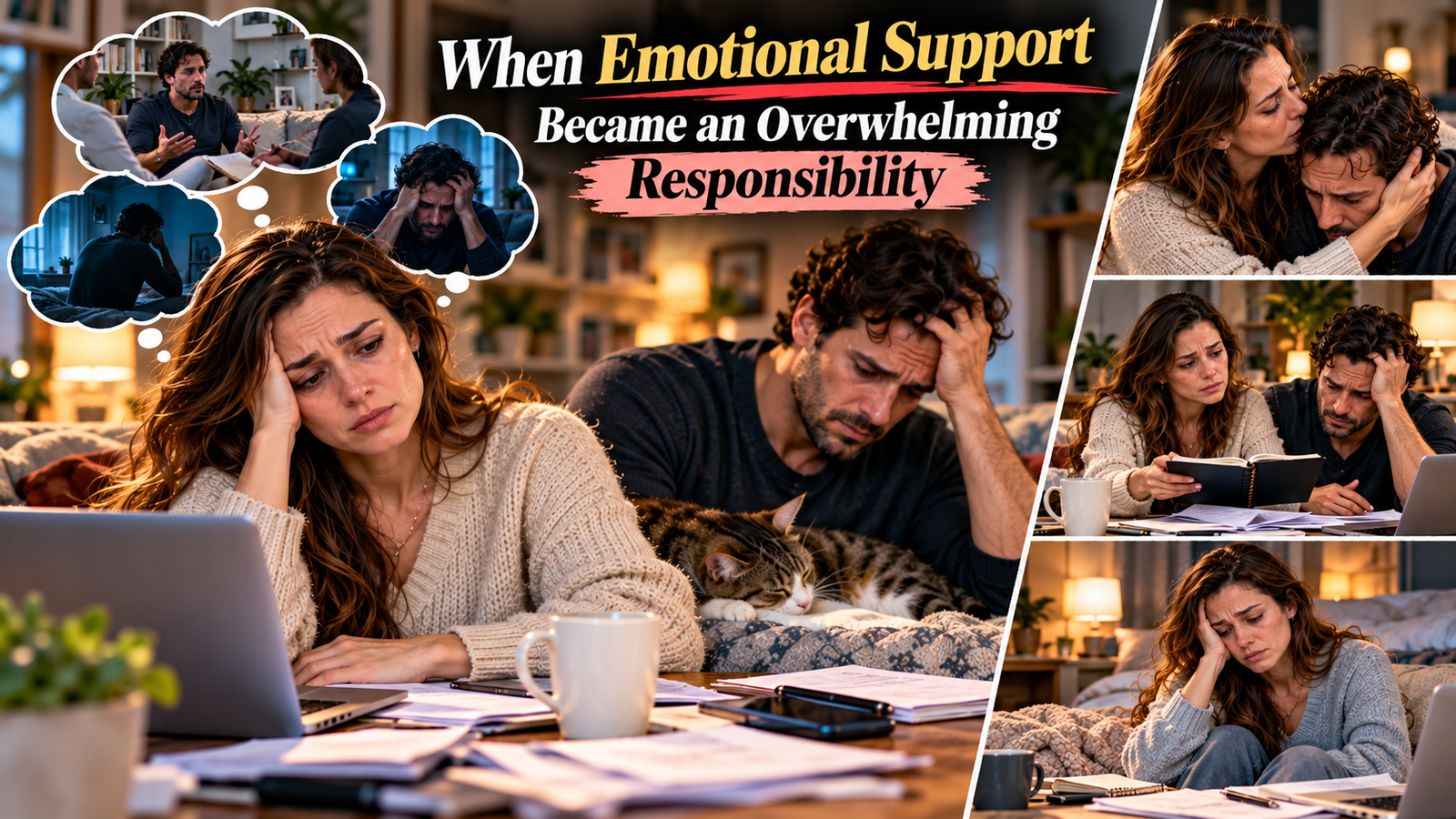
As everyday challenges accumulated, she began taking responsibility for matters that she believed each partner should be able to help manage. She described becoming his therapist, planner, and problem-solver, often stepping in when situations became overwhelming. Although they discussed this pattern and tried making adjustments, she felt the underlying problems remained unresolved.
Their affection was still real, but the balance of responsibility had shifted. Instead of functioning primarily as two adults sharing a life, she began to feel responsible for keeping their lives from falling apart. That realization gradually changed how she viewed their future.
When Emotional Support Became an Overwhelming Responsibility
#2: Financial Problems Added Another Layer of Pressure
In later Reddit comments, the woman revealed that the difficulties went beyond emotionally demanding conversations. She reported that she had used her savings on two occasions to help her fiancé through serious problems. She also said he had experienced job losses, struggled financially, and accumulated unpaid parking tickets that contributed to losing his vehicle.
She described incidents involving unpaid household bills and practical responsibilities that had not been completed until they became urgent problems. Instead of enjoying the security of a shared household, she felt increasingly responsible for preventing or resolving the next crisis. Her concern was not simply that her partner had less money but that the ongoing instability had become difficult for her to sustain.

Financial support can be an important part of a committed relationship, especially when someone experiences illness, unemployment, or an unexpected emergency. But repeated financial emergencies can create additional stress when expectations, resources, and responsibilities are unclear. For this woman, the pattern had become another source of exhaustion.
#3: Household Responsibilities Were Becoming Unequal
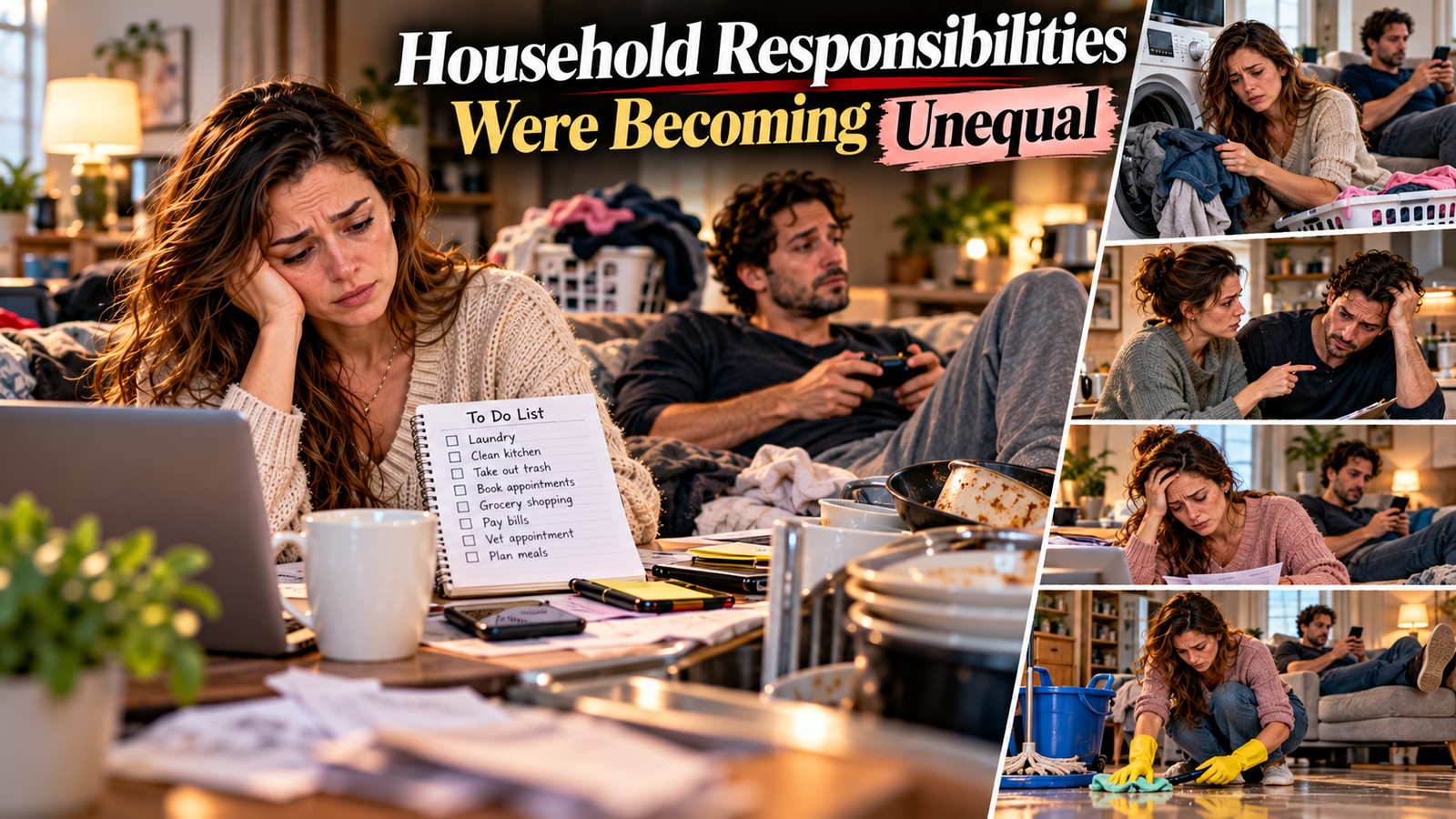
The woman also described difficulties involving chores, cleanliness, appointments, and everyday organization. According to her account, she sometimes needed to remind her fiancé about responsibilities or create lists to help him complete them. She felt that even when tasks were attempted, some required additional attention from her.
These experiences contributed to what is commonly described as emotional labor or mental load in a relationship. Beyond completing a household task, a person may also become responsible for remembering it, planning it, monitoring its progress, and dealing with the consequences when it is neglected. Over time, that invisible responsibility can become as exhausting as the practical work itself.
A relationship does not require both partners to contribute in identical ways, especially when disabilities or health conditions affect everyday functioning. However, both people’s capabilities, limitations, and needs matter when deciding how responsibilities should be shared. In this case, the woman felt their arrangement was no longer sustainable for her.
For another story about a young woman questioning the responsibilities she had assumed in a relationship, read 18-Year-Old Says She Was Left Raising Her Boyfriend’s 3-Year-Old Daughter and Now Wants to Leave.
The Emotional Boundaries She Could No Longer Maintain
#4: Difficult Conversations Were Becoming More Than She Could Handle
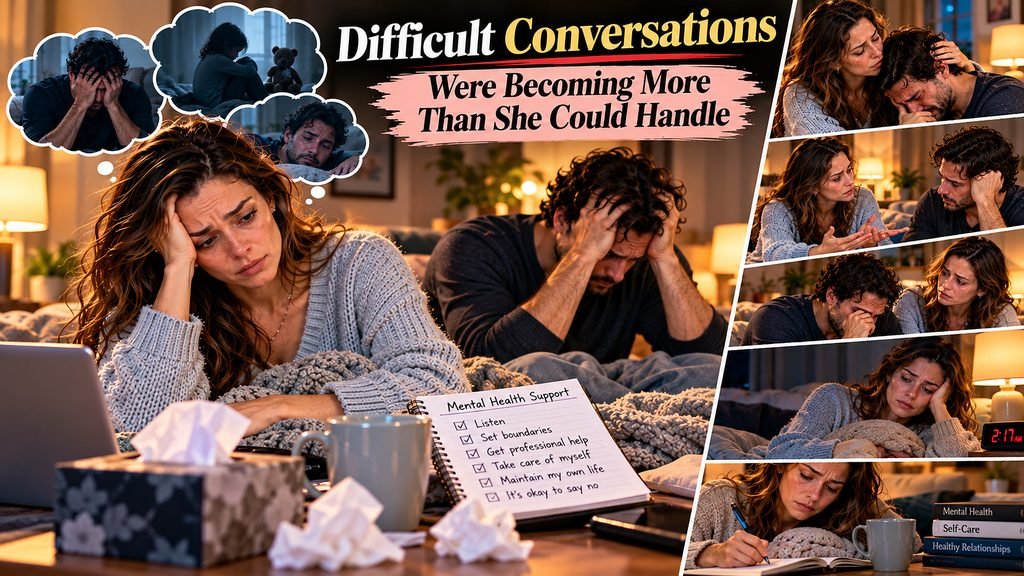
One of the most painful aspects of the woman’s account involved her fiancé’s past trauma. She said he sometimes experienced flashbacks and distress that led to lengthy conversations about deeply upsetting memories. Although she wanted to comfort him, she eventually realized she did not possess the professional training or emotional capacity to help him process everything he was experiencing.
She described nights when emotionally intense conversations extended into hours she needed for sleep and recovery. She also reported that a previous therapeutic experience had brought difficult childhood memories to the surface, and that her fiancé had been referred for further specialist support. According to her account, arranging that additional care had become another challenge.
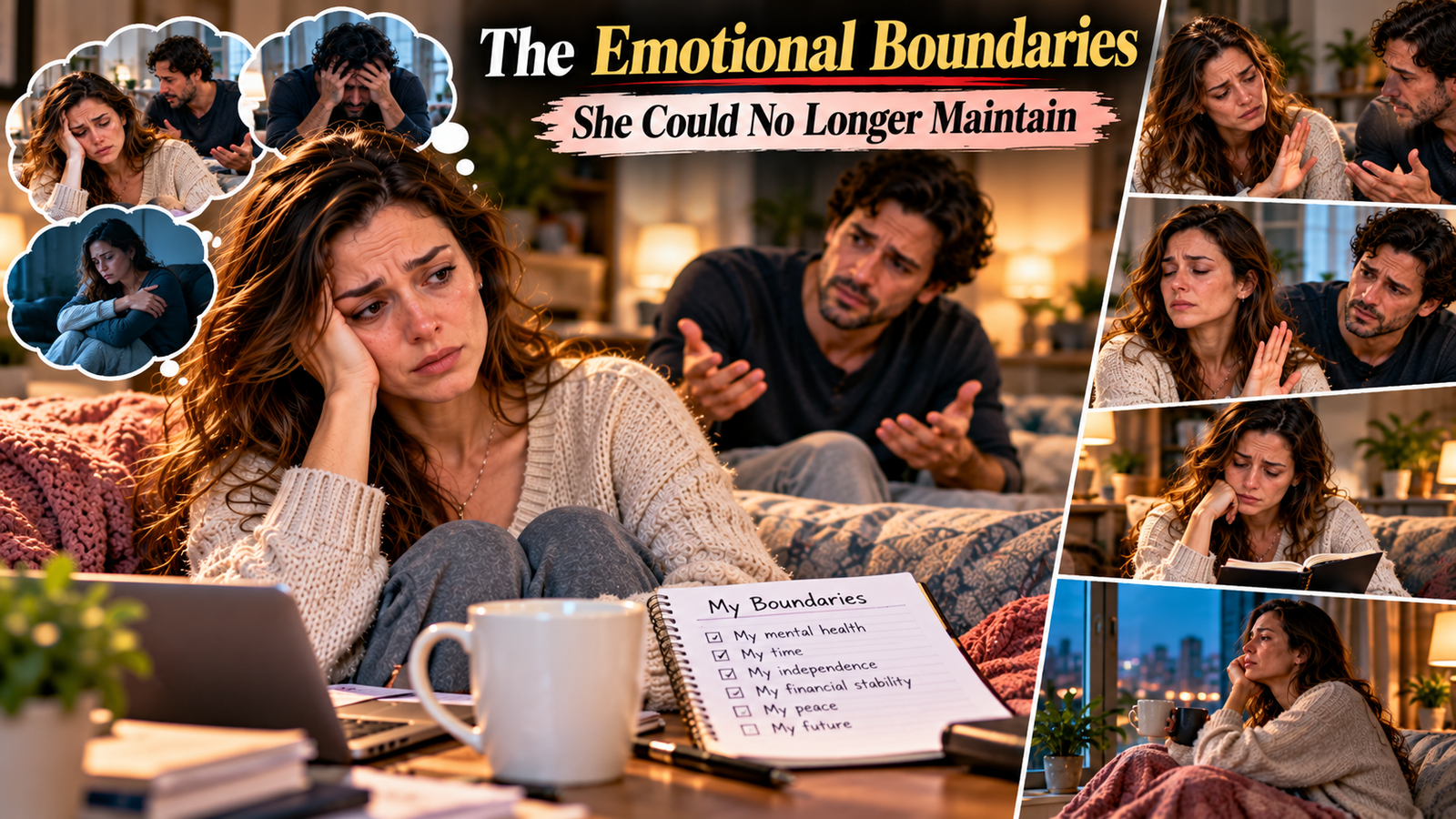
She wanted him to feel safe sharing his experiences, but she also needed limits around when and how those conversations happened. Being emotionally available to a romantic partner is valuable, yet it does not mean someone must remain available for every distressing conversation regardless of their own well-being. She had begun recognizing that distinction.
The National Alliance on Mental Illness’ guidance for supporting a partner with mental illness encourages compassionate listening, understanding a partner’s individual needs, maintaining a life outside the illness, and practicing self-care. These principles acknowledge that both people in a relationship deserve attention and support.
#5: Other Personal Boundaries Had Also Become a Concern
In further comments, the woman described uncomfortable situations involving sexual boundaries. She reported that some friends and former partners had become uneasy about messages her fiancé sent them. She also said that some interactions within their relationship left her feeling that previously communicated boundaries were not being consistently respected.
These were serious concerns independent of the couple’s emotional and financial struggles. A partner’s past trauma or mental health difficulties may help explain aspects of someone’s experiences, but they do not eliminate another person’s right to consent, privacy, and personal boundaries. Respecting those limits is essential in any relationship.
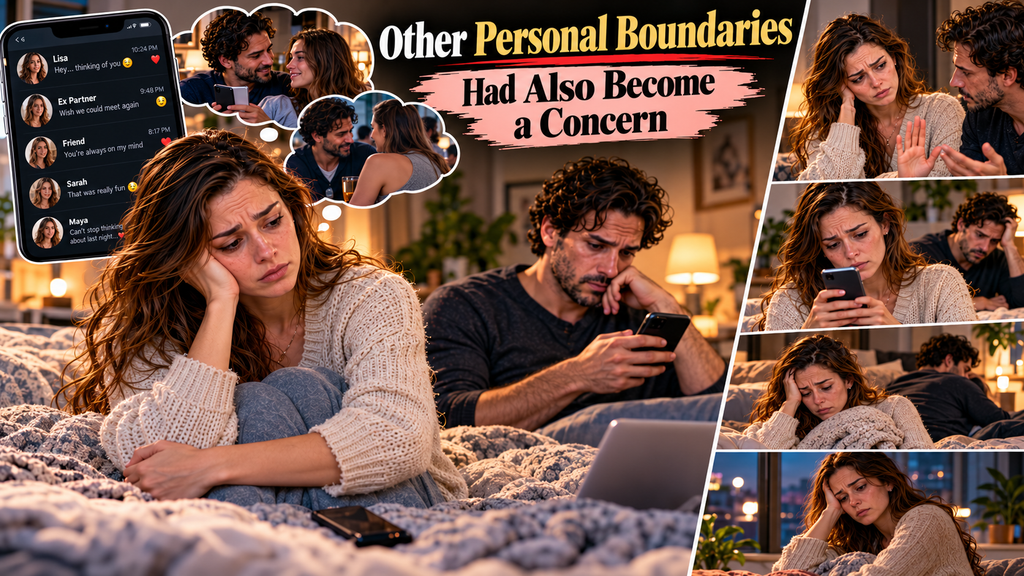
The woman continued to describe her fiancé with affection, even while acknowledging experiences that had become painful. That contrast made the account particularly complicated because her positive feelings did not erase the practical and interpersonal problems she was reporting. She could appreciate his kindness while recognizing that certain circumstances were no longer acceptable to her.
Why She Finally Decided That Love Wasn’t Enough
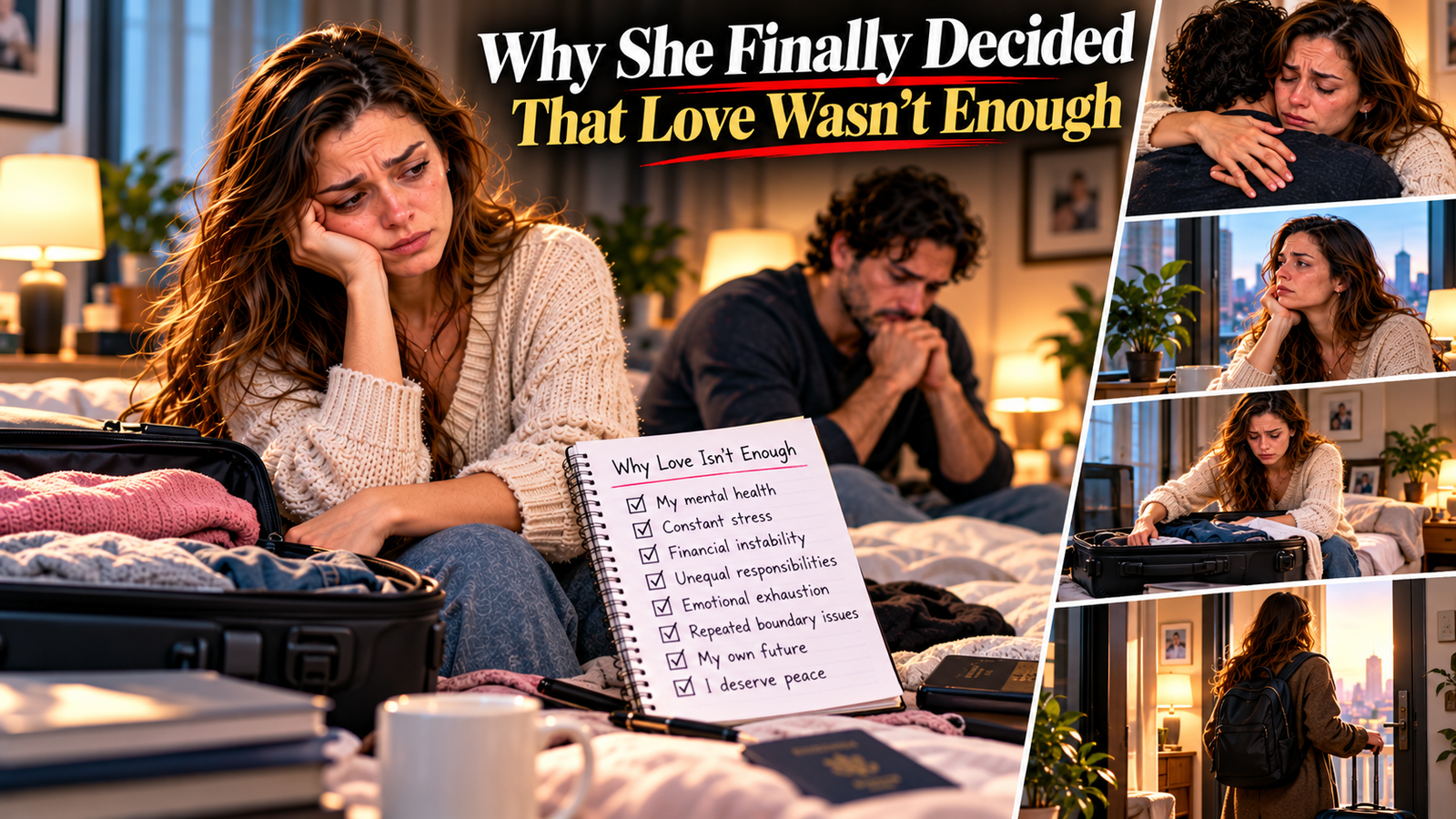
#6: She Had Recognized a Familiar Pattern From Previous Relationships
One reason the woman felt determined to make a different decision was her relationship history. She explained that she had previously spent years with partners whose emotional difficulties gradually became her responsibility. In those relationships, she said, she remained hopeful that enough patience, affection, and support would eventually create lasting change.
She also described experiencing harmful behavior in some of those earlier relationships. Although she viewed her current fiancé differently, she feared repeating the same pattern of sacrificing her own stability while trying to rescue someone she loved. Recognizing that pattern made her reconsider the promises she was making to herself.
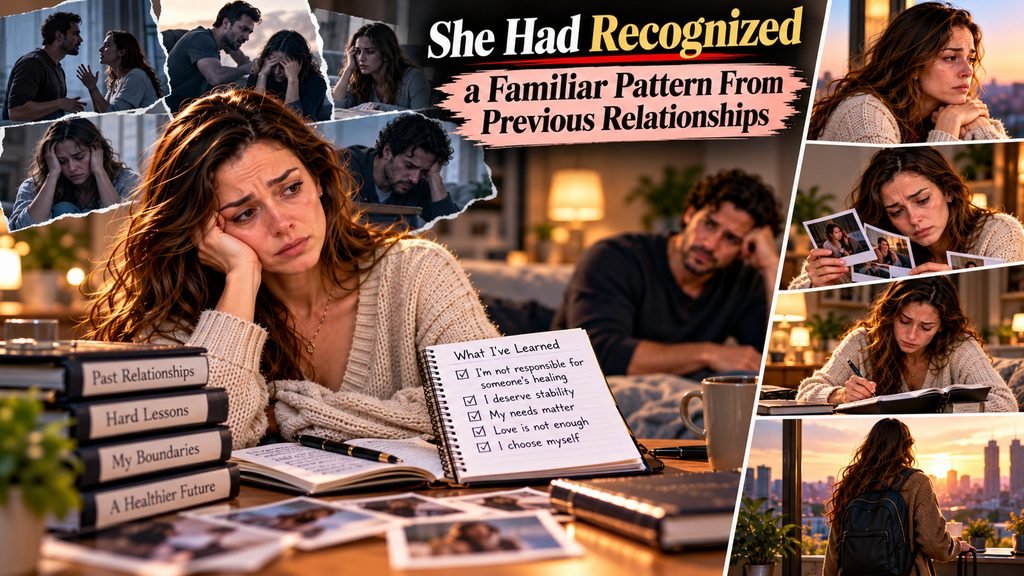
Her decision was not based on the idea that people facing mental health challenges are incapable of loving relationships. Instead, she had reached a personal limit after repeatedly experiencing situations in which she felt responsible for another adult’s well-being. She wanted a relationship in which support flowed in both directions without requiring her to continually manage the other person’s life.
#7: Choosing Herself Did Not Mean She Had Stopped Loving Him
Perhaps the most emotionally striking detail was the absence of hatred in her explanation. She repeatedly described her fiancé as someone who deserved love, happiness, and support. Her decision to leave came from recognizing that she could not personally provide everything he needed.
She believed that staying might eventually create resentment in both of them. The affection they shared could become overshadowed by responsibility, exhaustion, and disappointment. Walking away while they still cared for each other seemed less destructive to her than allowing those feelings to deteriorate over time.

Toward the end of her original post, she summarized her decision with three simple words: “I’m choosing myself.” The statement reflected her desire to protect the emotional stability she feared losing. It was a choice she described as heartbreaking, not an easy escape from someone she no longer valued.
Reddit Readers Were Divided Over Her Decision to Leave
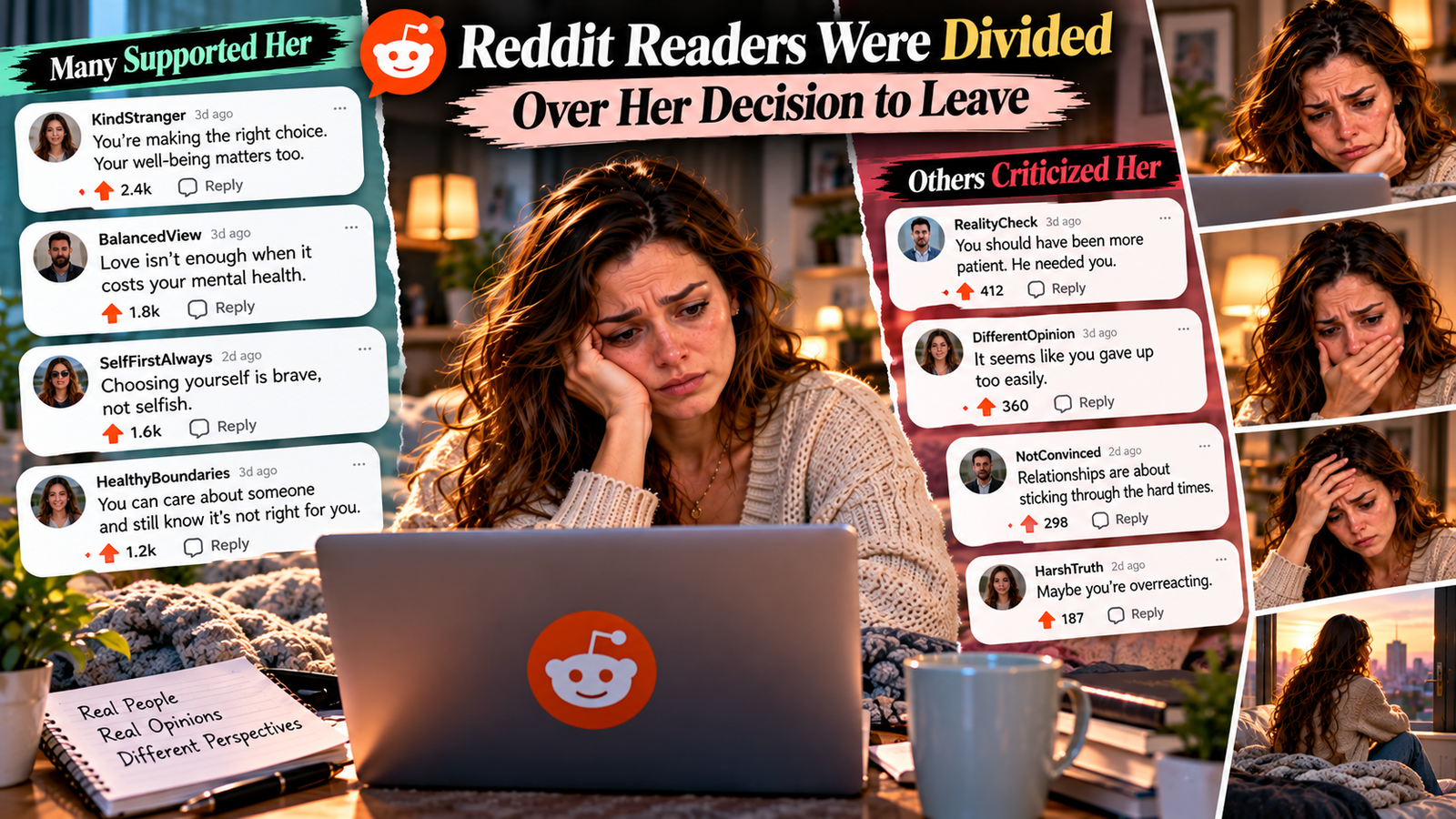
#8: Many People Recognized the Emotional Exhaustion
The woman’s post attracted responses from people who said they understood the difficulty of leaving someone who was loving but unable to share life’s demands consistently. Some described relationships in which they had gradually become responsible for managing a partner’s emotions, practical needs, or household responsibilities. Others said they recognized the exhaustion of continually hoping circumstances would improve.
Several readers emphasized that a person does not necessarily have to become cruel or intentionally hurtful for a relationship to become unhealthy. They argued that compatibility involves more than affection and shared interests. Stability, practical cooperation, personal boundaries, and emotional capacity can all influence whether two people can build a satisfying life together.
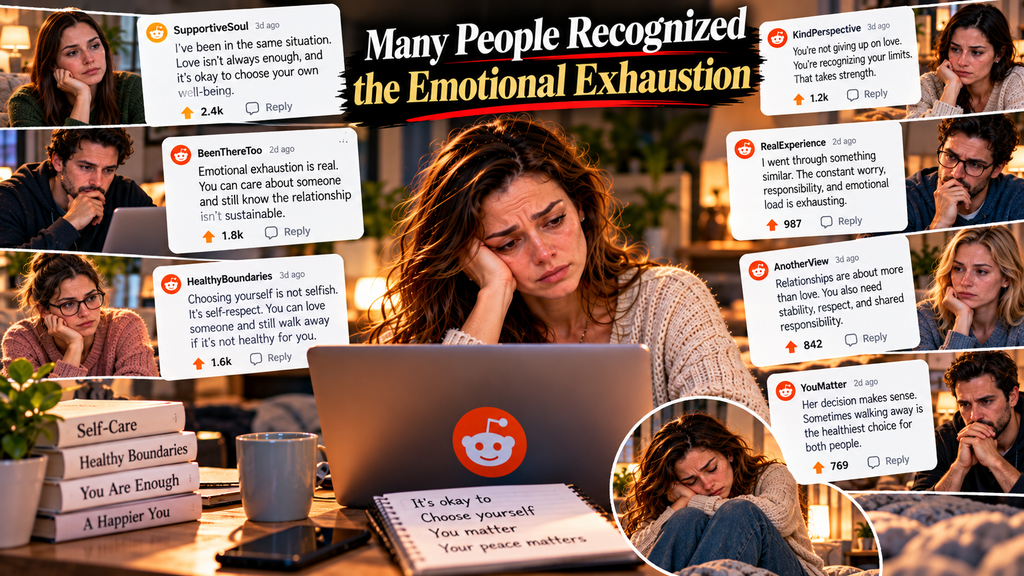
For readers who had experienced similar situations, the woman’s decision appeared to represent a difficult form of self-preservation. They saw her account as an example of recognizing personal limits before resentment took over. The supportive responses focused on the distinction between caring for someone and assuming responsibility for their entire life.
#9: Others Questioned Whether She Was Giving Up Too Soon
Not everyone agreed with the breakup. Some commenters argued that committed relationships involve supporting partners during difficult periods and questioned whether leaving was the appropriate response. Others expressed concern that discussions like this could reinforce unfair assumptions about people living with disabilities or mental health conditions.
Those concerns deserve consideration because illness, disability, and periods of dependency do not make someone unworthy of love. Many couples navigate significant medical and psychological challenges through communication, accommodations, treatment, and mutual commitment. A diagnosis alone cannot determine whether someone is capable of maintaining a fulfilling relationship.
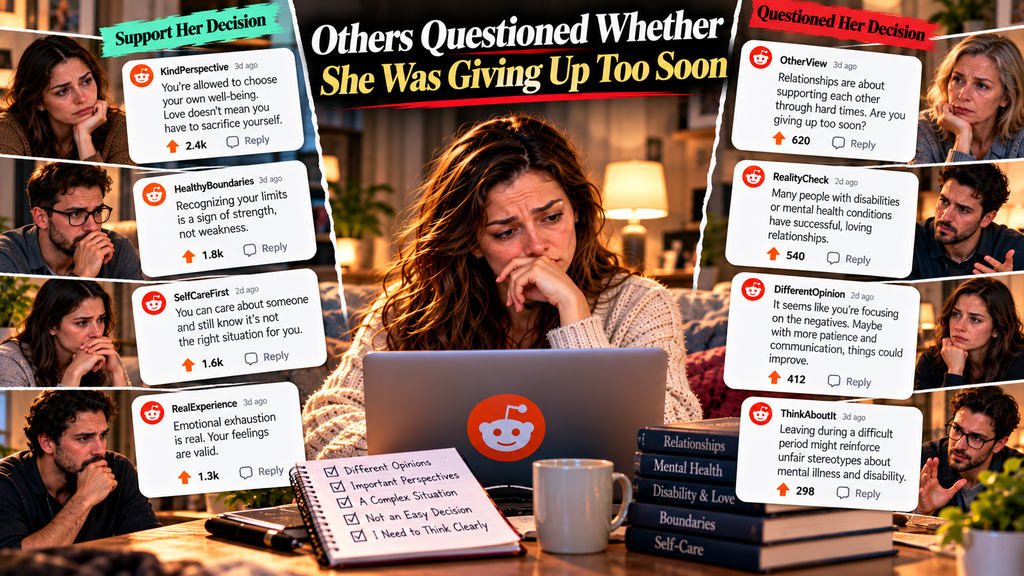
However, several critics initially appeared to focus on the positive aspects of the woman’s original description without knowing the full extent of the problems she later disclosed. After she explained more about the financial instability, disrupted sleep, substance use, and boundary concerns, some readers acknowledged that the situation was more serious than they had assumed. The discussion illustrated how difficult it can be to judge an entire relationship from one person’s online account.
What Emotional Burnout in a Relationship Really Means
Emotional burnout in relationships can describe a state of prolonged exhaustion associated with ongoing interpersonal demands. Someone experiencing it may feel overwhelmed by repeated conflicts, constant responsibility, or insufficient time for their own needs. Unlike occupational burnout, relationship burnout is not a standardized medical diagnosis, but the experiences people describe can still be significant.
A person might begin feeling anxious about the next emergency, resentful of responsibilities they once willingly accepted, or disconnected from activities that previously made them happy. They may feel guilty whenever they rest because their partner is struggling. Even affectionate moments can become complicated when the next crisis feels unpredictable.
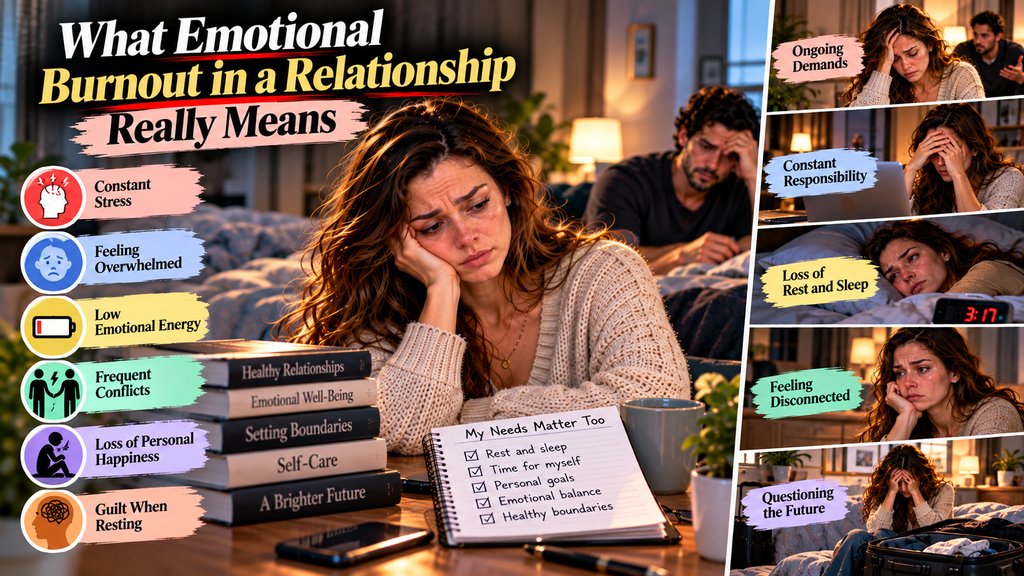
The National Institute of Mental Health’s self-care guidance explains that sleep, physical activity, social connections, and realistic priorities can support mental well-being. It also emphasizes recognizing when professional help may be appropriate. These recommendations are relevant to anyone experiencing ongoing stress, including people caring for loved ones.
The woman’s account reflected several of these pressures, although it would be inappropriate to diagnose her based on a Reddit post. She described losing emotional energy, financial resources, and personal stability while trying to preserve her relationship. Eventually, she concluded that continuing under the same circumstances could harm both partners.
Supporting a Partner Without Becoming Their Therapist
#10: Healthy Emotional Support Requires Boundaries
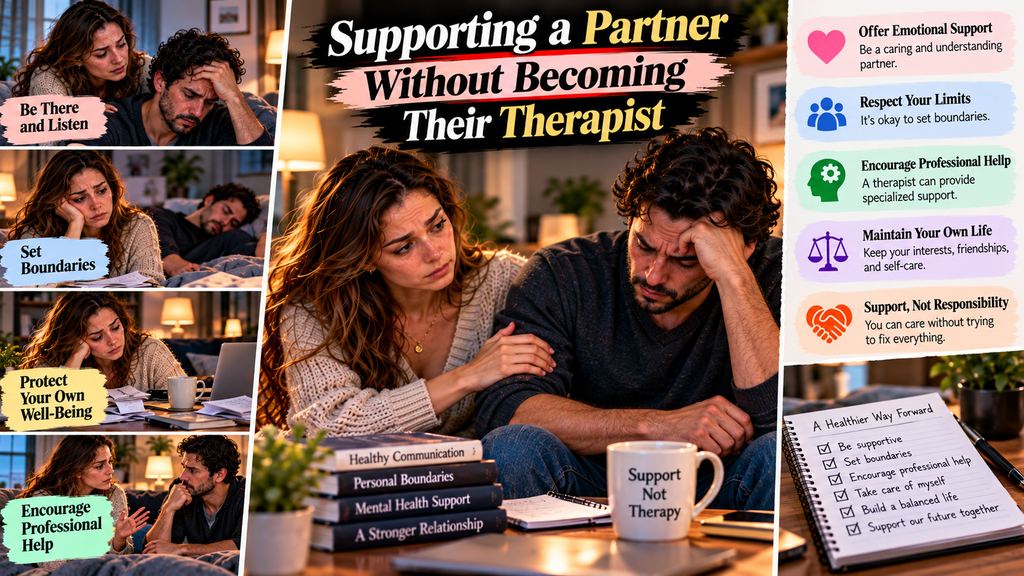
There is nothing inherently unhealthy about turning to a partner during periods of anxiety, grief, depression, or uncertainty. Intimate relationships often provide meaningful reassurance and companionship during difficult experiences. The challenge arises when one person becomes the primary manager of problems that require broader support, professional treatment, or sustained personal responsibility.
Healthy boundaries help establish what each person can realistically offer. That might involve choosing appropriate times for difficult conversations, protecting sleep, discussing household responsibilities, or identifying when professional assistance is needed. Boundaries should be communicated clearly rather than used as punishment.
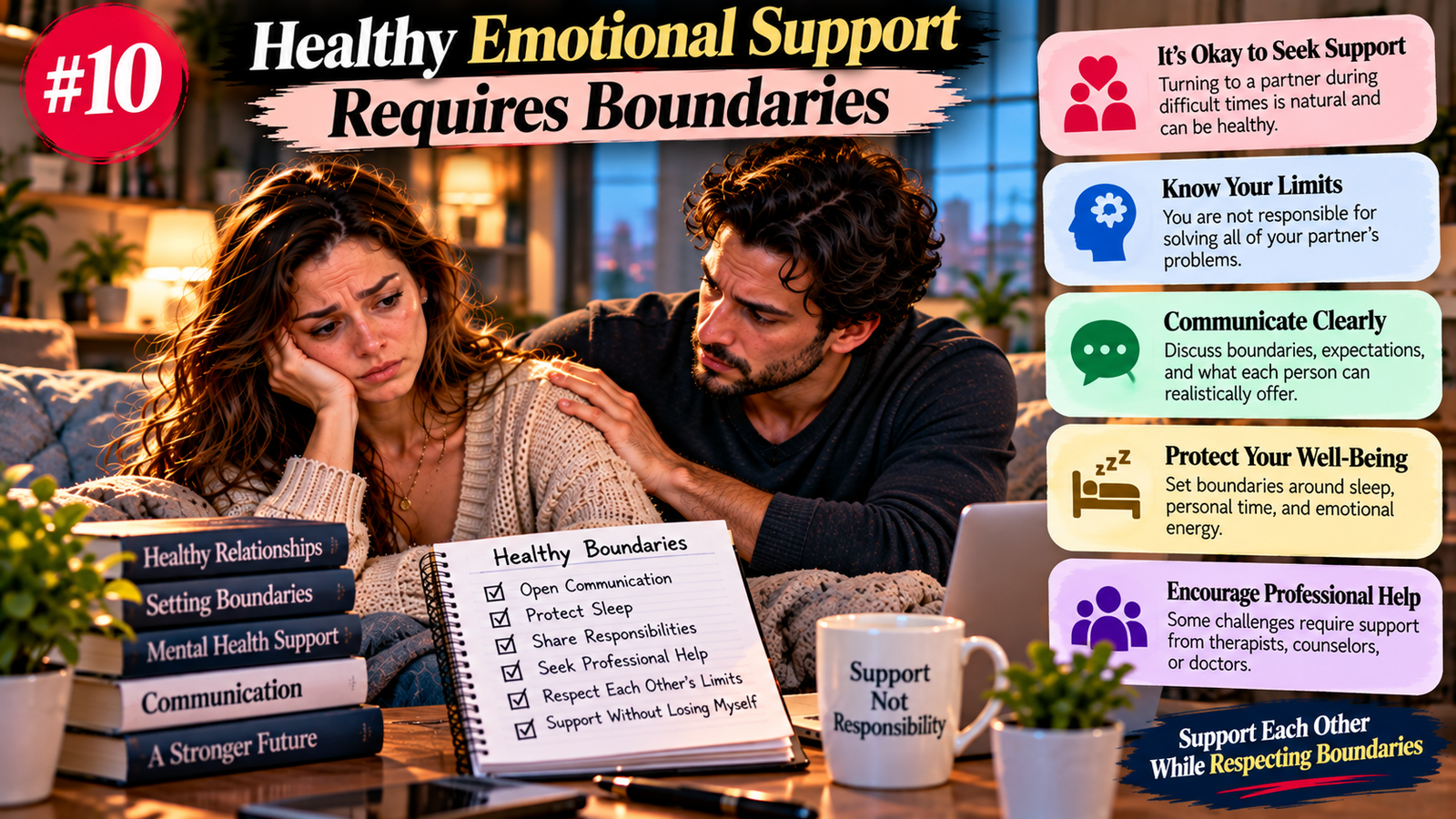
Mental Health America’s guide to building boundaries explains that boundaries help people communicate which behaviors they are comfortable accepting. They also encourage individuals to identify the values and needs they want to protect. Within a relationship, these conversations can help partners better understand one another’s limits.
#11: A Partner Can Offer Support Without Managing Recovery
Professional treatment and personal support serve different purposes. A romantic partner can provide encouragement, attend appointments when invited, help identify resources, or offer practical assistance within agreed limits. However, they cannot single-handedly replace qualified mental health care or control another person’s treatment decisions.
The NAMI HelpLine’s advice on maintaining positive relationships explains the value of acceptance, supportive communication, and maintaining personal boundaries. It recognizes that people cannot always control a loved one’s choices. Respecting that reality may reduce the pressure to take responsibility for every outcome.
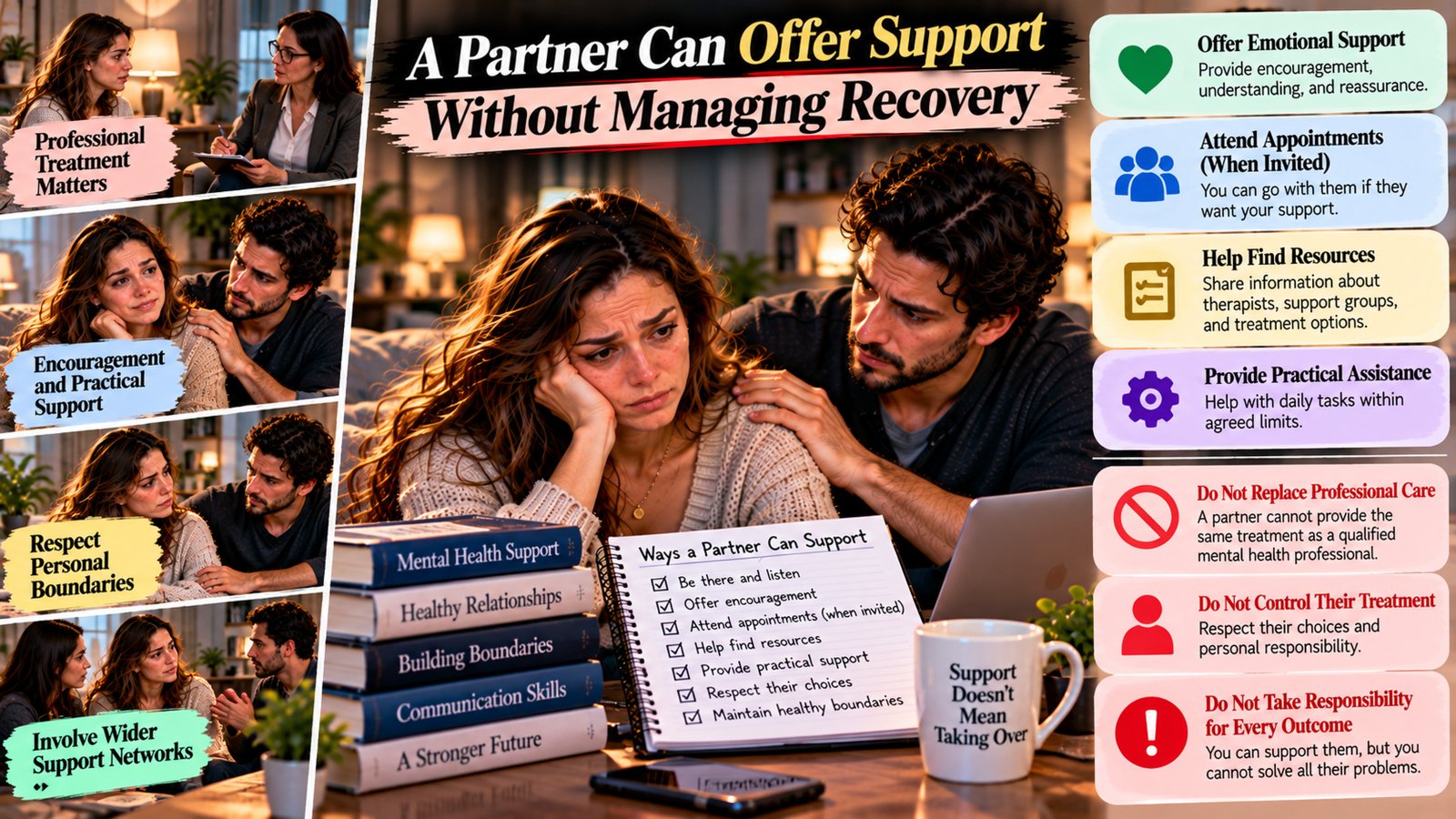
This distinction is especially important when someone’s difficulties involve trauma, unstable moods, substance use, or repeated crises. Those circumstances may call for individualized support from appropriate professionals and trusted networks. Neither partner should be expected to solve every problem alone.
Can a Relationship Survive When One Partner Needs More Support?
Many relationships can survive periods of unequal contribution, especially when partners understand the circumstances and agree on realistic ways forward. Illness, job loss, disability, and family emergencies can temporarily change how responsibilities are distributed. Long-term compatibility depends partly on whether both people can communicate their needs and participate in arrangements they find sustainable.
For some couples, professional care, practical accommodations, couples counseling, or living separately may make a meaningful difference. Others may discover that their needs and capacities remain incompatible despite genuine effort. Neither outcome can be predicted from one online story.
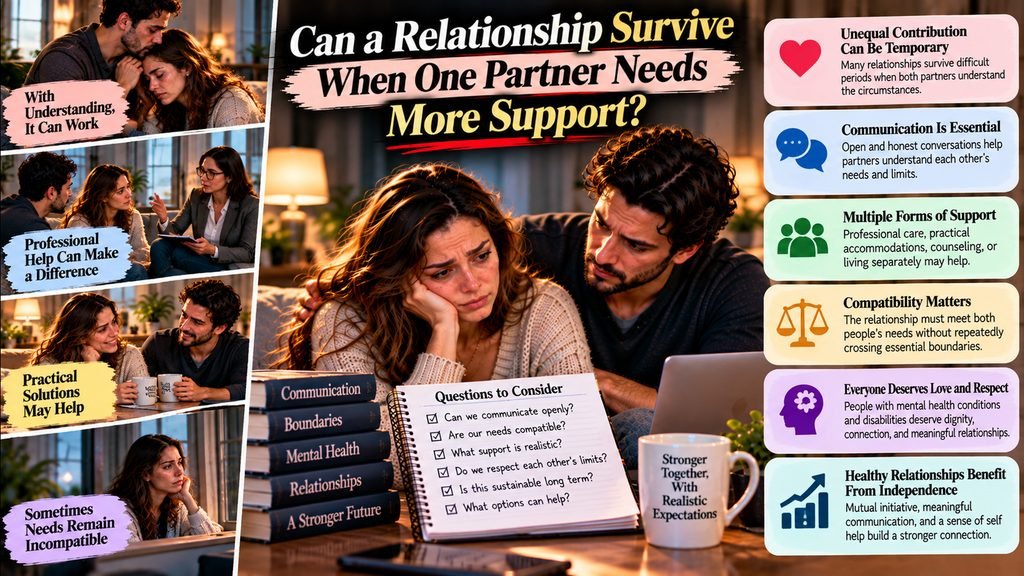
The central question is not whether someone deserves love despite their struggles. People living with mental health conditions and disabilities deserve dignity, respect, connection, and opportunities for meaningful relationships. The more useful question is whether the specific partnership can meet both people’s needs without repeatedly crossing essential limits.
A related discussion about balancing independence and romantic connection appears in our article, How to Make Him Miss You Naturally: 10 Ways to Build a Stronger Connection Without Playing Games. It explores why healthy relationships benefit from mutual initiative, meaningful communication, and maintaining a sense of self. Those qualities matter whether a couple is facing major challenges or simply trying to strengthen everyday connection.
The Most Painful Lesson: A Good Person May Not Be the Right Partner
The woman’s story challenges a familiar belief that genuine love should overcome every obstacle. Her fiancé, as she described him, possessed qualities she deeply appreciated, yet their relationship still involved difficulties she no longer felt able to manage. Her affection for him did not automatically create the practical stability she needed.
That does not establish that either person was fundamentally unsuitable for love or incapable of growth. It means that this particular relationship, under the circumstances she described, was becoming unsustainable for her. Two people can care deeply for each other and still have different capacities, needs, and expectations.
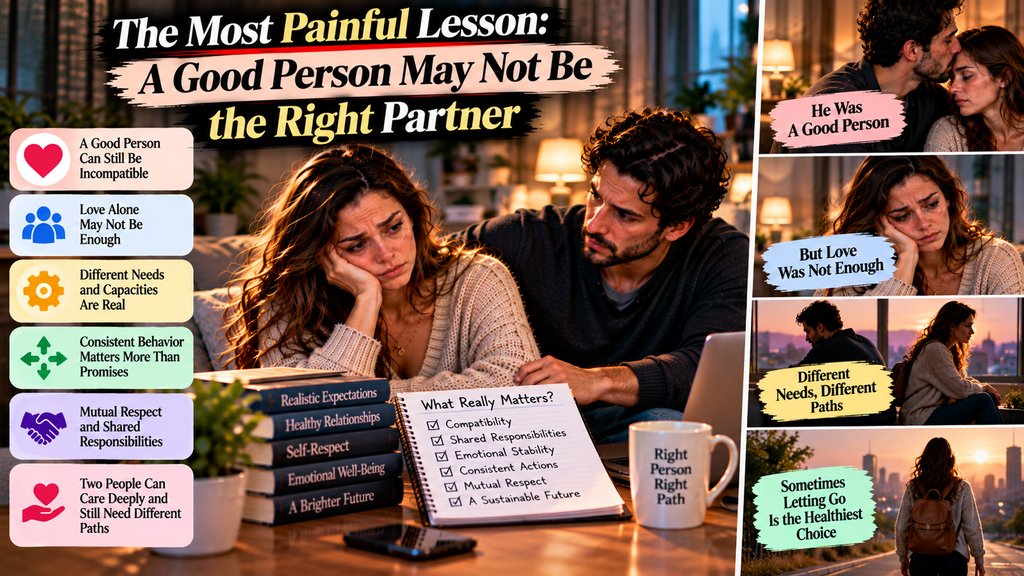
Her experience also offers a reminder that relationships should not be judged solely by romantic gestures or promises of future improvement. Consistent behavior, mutual respect, and the ability to share responsibilities deserve equal attention. Someone can make a partner feel cherished while still being unable to contribute to a life together in ways that partner needs.
Sometimes Walking Away Is an Act of Self-Respect
There is something particularly heartbreaking about ending a relationship while love remains. The woman did not describe losing affection for her fiancé, discovering that everything had been a lie, or suddenly deciding he was unworthy of her care. She described reaching a point where the relationship’s emotional and practical demands had exceeded what she could continue to provide.
Her story is not proof that people should leave partners who experience mental illness or need additional assistance. It is a reminder that compassion and commitment must also make room for consent, boundaries, sustainability, and the needs of both individuals. Real love can involve offering support, but it does not require abandoning one’s own well-being.
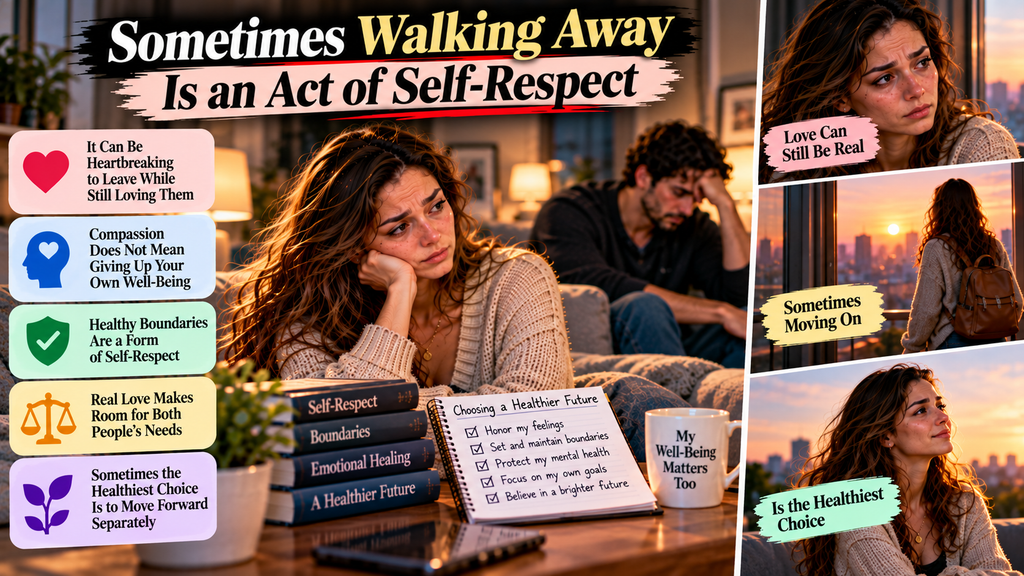
Perhaps that is why her account resonated with so many readers. It describes a situation in which the heart wants to stay, but the person living through the relationship recognizes that something important has to change. Sometimes that change is possible together, and sometimes people decide their healthiest future lies apart.
The question her story leaves behind is a difficult one: When you genuinely love someone but are losing yourself trying to hold the relationship together, how do you know when it is time to let go?

Editor’s Note: This article is based on a personal account shared publicly on Reddit and subsequently discussed by Bored Panda. The events, relationship details, and reported health conditions have not been independently verified, and the fiancé’s perspective is not available. Mental health information is included for general educational purposes and should not be interpreted as a diagnosis or individualized medical advice.